IndiGo flight 6E-1452 diverted to Rajkot after cargo smoke alert, 194 safe
Synopsis
An IndiGo Dubai-Mumbai flight carrying 194 people made an emergency diversion to Rajkot on 27 July after smoke was detected in the cargo hold. The aircraft landed safely within 42 minutes of the airport declaring a full emergency — a textbook execution of aviation safety protocol, even as IndiGo's parent battles a ₹238 crore quarterly loss.
Key Takeaways
IndiGo flight 6E-1452 (Dubai–Mumbai) was diverted to Rajkot International Airport on 27 July after a cargo-hold smoke indication.
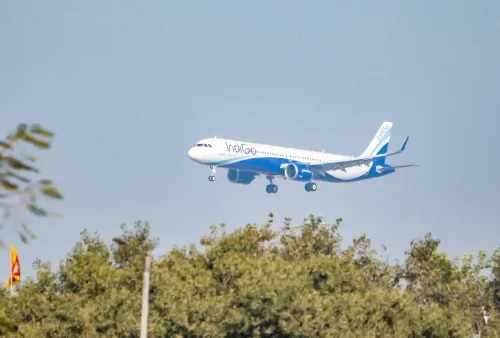
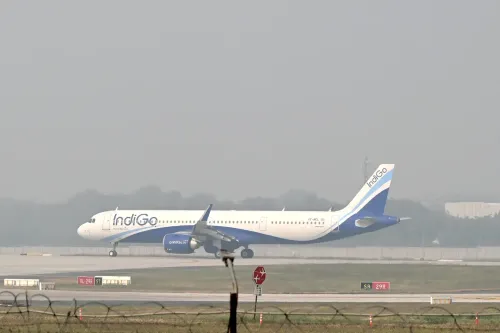
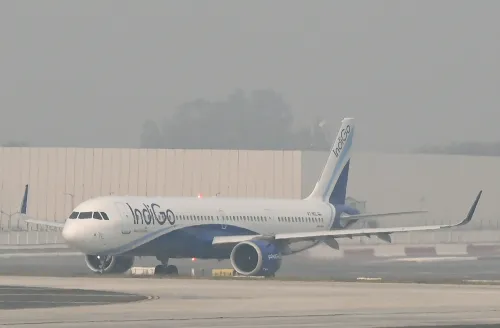
The aircraft, an Airbus A321 , was carrying 194 people; all disembarked safely with no injuries reported.
Rajkot airport declared a full emergency at 2.45 pm ; the aircraft landed safely at 3.27 pm .
Authorities have not confirmed the cause of the smoke alert; a technical inspection is underway.
Parent company InterGlobe Aviation recently reported a net loss of ₹238 crore for Q1 FY27, down from a profit of ₹2,176.3 crore a year earlier.
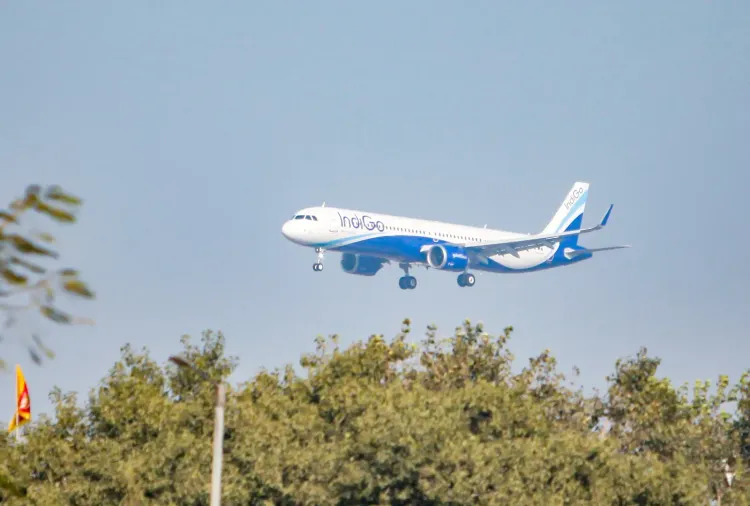
An IndiGo flight operating from Dubai to Mumbai was diverted to Rajkot International Airport in Gujarat on Monday, 27 July, after the cockpit received a smoke indication from the aircraft's cargo hold. All 194 people on board disembarked safely, and no injuries were reported.
What Triggered the Diversion
Flight 6E-1452, operated on an Airbus A321, was mid-route when sensors flagged a possible smoke presence in the cargo compartment. In keeping with standard international aviation safety protocols, the crew declared an emergency and elected to divert to the nearest suitable airport rather than continue to Mumbai.
Under global aviation procedures, any cargo-hold smoke or fire indication is treated as a potentially serious event. Flight crews are trained to activate fire suppression systems, declare an emergency, and land at the closest viable airport as a precautionary measure. A smoke warning does not automatically confirm an active fire — the precise cause can only be established through engineering and safety inspections.
Emergency Response at Rajkot
Airport authorities at Rajkot International Airport declared a full emergency at 2.45 pm, deploying fire tenders, ambulances, and emergency response teams on standby ahead of the aircraft's arrival. The aircraft touched down safely at 3.27 pm. Once all passengers had disembarked without incident, the emergency was stood down.
An official confirmed the diversion was made following the cargo-hold smoke indication and that the aircraft landed safely with all passengers unharmed. 'The aircraft would undergo a technical inspection to determine the cause of the smoke indication,' the official added.
Investigation and Next Steps
Authorities have not yet disclosed what triggered the smoke warning, and no damage to the aircraft has been reported. The aircraft remained at Rajkot for technical checks, while the airline was expected to make arrangements for passengers' onward journey to Mumbai.
Notably, this incident underscores the sensitivity of cargo-hold monitoring systems on modern commercial aircraft. The Airbus A321 is equipped with automated smoke detection and suppression systems in its holds — a design requirement under international airworthiness standards.
IndiGo's Broader Context
IndiGo is India's largest airline by market share, serving more than 80 domestic and over 30 international destinations. Its fleet is primarily composed of Airbus A320 and A321 family aircraft, alongside ATR 72-600 turboprops on regional routes.
The diversion comes as the airline's parent company, InterGlobe Aviation, reported a consolidated net loss of ₹238 crore for the first quarter of FY27, a sharp reversal from a net profit of ₹2,176.3 crore in the same period last year — a deterioration of over ₹2,400 crore in its bottom line. The Rajkot incident adds to an operationally challenging period for the carrier.
The outcome of the technical inspection is expected to determine whether the smoke alert stemmed from a sensor fault, a cargo-related issue, or another cause, with findings likely to be shared with aviation regulators.
Point of View
But the incident raises a question the investigation must answer: was this a genuine cargo-hold event or a sensor false positive? India's aviation regulator, the DGCA, has seen a pattern of smoke-related diversions across carriers in recent years, and the quality of post-incident reporting has been inconsistent. IndiGo's operational credibility matters more now than usual — with its financials under pressure and a ₹2,400 crore swing in quarterly profit, any safety narrative that sticks could compound reputational risk at a vulnerable moment. The technical inspection report, and whether it is made public, will be the real test.
NationPress
26 Oct 2026
Frequently Asked Questions
Why was IndiGo flight 6E-1452 diverted to Rajkot?
The flight was diverted after the cockpit received a smoke indication from the aircraft's cargo hold while en route from Dubai to Mumbai on 27 July. In line with international aviation safety procedures, the crew declared an emergency and landed at Rajkot International Airport as a precaution.
Were all passengers safe on the diverted IndiGo flight?
Yes, all 194 people on board disembarked safely at Rajkot International Airport. No injuries were reported, and the emergency response was stood down after passengers left the aircraft.
What happens after a cargo-hold smoke alert on a commercial flight?
Under international aviation procedures, a cargo-hold smoke indication is treated as a potentially serious event. Crews activate fire suppression systems, declare an emergency, and divert to the nearest suitable airport. A smoke warning does not confirm an active fire — the exact cause is determined only after engineering and safety inspections.
What is the current status of the IndiGo aircraft?
The Airbus A321 remained at Rajkot for a technical inspection to determine the cause of the smoke indication. No damage to the aircraft has been reported, and authorities had not disclosed the trigger as of the latest update.
How is IndiGo performing financially?
IndiGo's parent company, InterGlobe Aviation, reported a consolidated net loss of ₹238 crore for the first quarter of FY27, compared with a net profit of ₹2,176.3 crore in the same period last year — a deterioration of over ₹2,400 crore in its bottom line.