Strengthening Global Crime Cooperation: Insights from INTERPOL Liaison Officers' Conference
Synopsis
In a significant move towards enhancing international crime cooperation, Union Home Secretary Govind Mohan emphasized the role of INTERPOL liaison officers at the CBI's conference. This gathering aimed to address the pressing challenges of transnational crime.
Key Takeaways
INTERPOL liaison officers enhance international crime cooperation.
Effective collaboration is essential for tackling transnational crime .
India's election to the INTERPOL Asian Committee strengthens its regional influence.
Unified efforts led to the repatriation of 47 fugitives in 2025.
Specialized sessions focused on improving operational effectiveness.
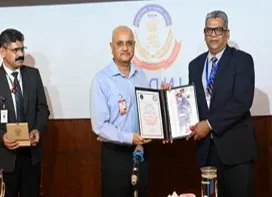
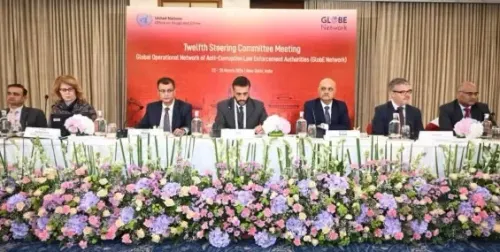
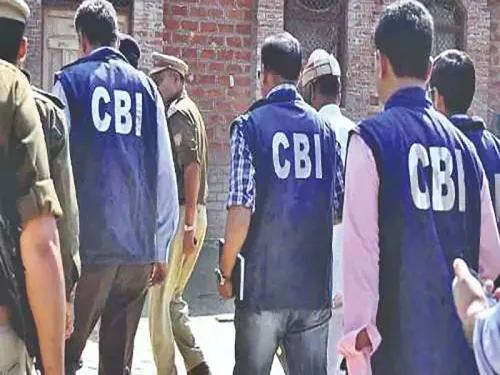
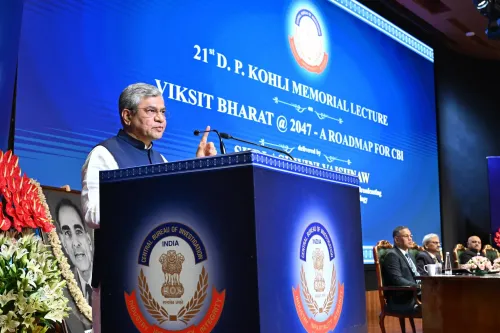
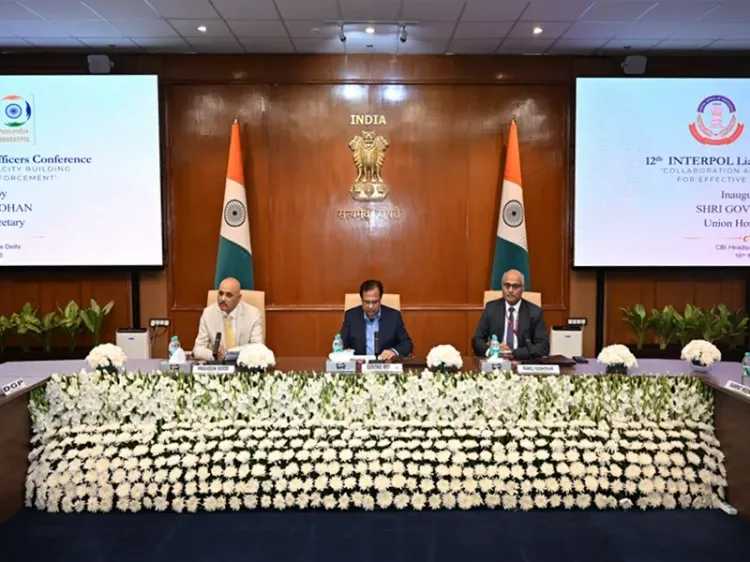
New Delhi, March 16 (NationPress) Union Home Secretary Govind Mohan underscored the pivotal role of INTERPOL liaison officers in bolstering global collaboration against transnational crime during the 12th INTERPOL Liaison Officers Conference held by the Central Bureau of Investigation (CBI) in Delhi.
The event was inaugurated at the CBI Headquarters and gathered law enforcement representatives from various regions of the country.
Mohan stated that INTERPOL liaison officers act as essential conduits between the CBI and law enforcement bodies across states and Union Territories, facilitating the resolution of practical challenges faced in pursuing international cooperation through both formal and informal methods.
He highlighted that effective global collaboration has evolved into an operational requirement rather than a choice, especially for cases involving cyberfraud, narcotics trafficking, terrorism, financial crimes, and human trafficking, which demand close coordination with international partners.
The Union Home Secretary commended the CBI for establishing working agreements and memoranda of understanding with foreign law enforcement agencies.
He pointed out that India's recent election to the INTERPOL Asian Committee for the 2025–2029 term, confirmed at the 25th Asian Regional Conference in Singapore, will enhance the country's influence in shaping regional policing strategies and reinforce its commitment to combatting cross-border crime in the Asia-Pacific region.
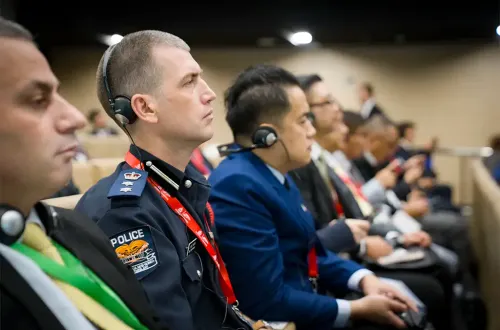
The conference welcomed over 150 senior law enforcement officials, including INTERPOL liaison officers from various states and Union Territories.
Representatives from central agencies such as the National Investigation Agency (NIA), Enforcement Directorate (ED), Directorate of Revenue Intelligence (DRI), Narcotics Control Bureau (NCB), Wildlife Crime Control Bureau (WCCB), and Bureau of Police Research and Development (BPR&D) were also in attendance.
Officials from both the Ministry of External Affairs and the Ministry of Home Affairs were present as well.
The theme of the conference, Collaboration and Capacity Building for Effective Law Enforcement, concentrated on improving coordination to address transnational crimes.
Mohan also discussed India's framework for international legal collaboration, which encompasses bilateral treaties, multilateral conventions, and reciprocal arrangements.
He stated that the Ministry of Home Affairs operates as the central authority for mutual legal assistance in criminal matters and coordinates requests that support investigations undertaken by domestic agencies.
CBI Director Praveen Sood, in his opening address, emphasized the importance of unified efforts to ensure the repatriation of fugitives from abroad.
He mentioned that 47 fugitives were returned to India in 2025, marking the highest figure in the past 15 years, achieved through sustained collaboration between the CBI, the Ministry of Home Affairs, and the Ministry of External Affairs, along with other relevant agencies.
Sood also called upon law enforcement units to prepare extradition dossiers with all requisite documents as soon as a Red Notice is issued, facilitating prompt action when a fugitive is found or detained overseas.
The conference included specialized sessions and operational discussions regarding informal international police cooperation via INTERPOL, the legal facets of drafting Red Notices, challenges in creating International Letters of Request (ILOR), evidentiary standards for extradition, case studies, and best practices.
Participants examined methods to enhance the utilization of global policing tools to counter transnational threats.
Officials noted that the event served as a vital platform to bolster coordination, streamline requests for assistance from foreign agencies, and enhance the efficacy of international mechanisms in combating organized and cross-border crime.
Point of View
The INTERPOL Liaison Officers Conference represents a proactive step in tackling transnational crime. The emphasis on collaboration and legal frameworks highlights the necessity for countries to unite against shared threats, ensuring a safer future for all.
NationPress
22 Sept 2026
Frequently Asked Questions
What was the main focus of the INTERPOL Liaison Officers Conference?
The conference aimed to strengthen international cooperation against transnational crime through enhanced coordination among law enforcement agencies.
Who addressed the conference and what did they highlight?
Union Home Secretary Govind Mohan addressed the conference, emphasizing the essential role of INTERPOL liaison officers in facilitating international cooperation.
What are some significant challenges in international crime cooperation?
Challenges include addressing cyber fraud, narcotics trafficking, terrorism, financial crimes, and human trafficking, which require close coordination with foreign agencies.
What was the key theme of the conference?
The key theme was 'Collaboration and Capacity Building for Effective Law Enforcement,' focusing on improving efforts to combat transnational crimes.
How many fugitives were repatriated to India in 2025?
In 2025, 47 fugitives were repatriated to India, the highest number in 15 years, through collaborative efforts among various agencies.