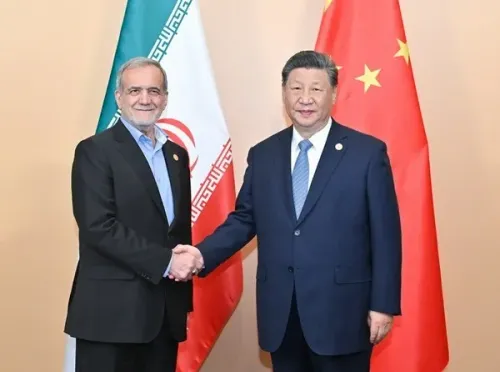
Iran Pursues Intelligence Cooperation with Russia and China, Says CIA Chief
Synopsis
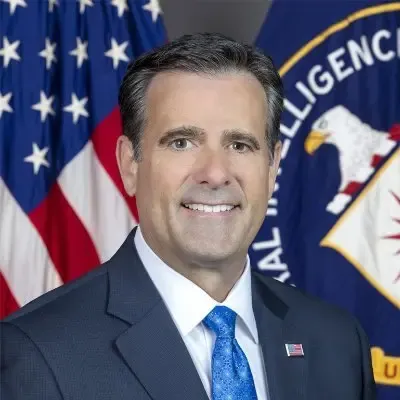
Iran is actively seeking intelligence support from adversaries like Russia and China, according to CIA Director John Ratcliffe. This strategic shift raises concerns about the potential for escalating conflict and the implications for US national security.
Key Takeaways
Iran is seeking intelligence from Russia and China.
Tehran's missile program poses a significant threat.
US intelligence is closely monitoring Iran's actions.
Concerns about Iran's ability to disrupt energy supplies persist.
Operation Epic Fury is critical for US national security.
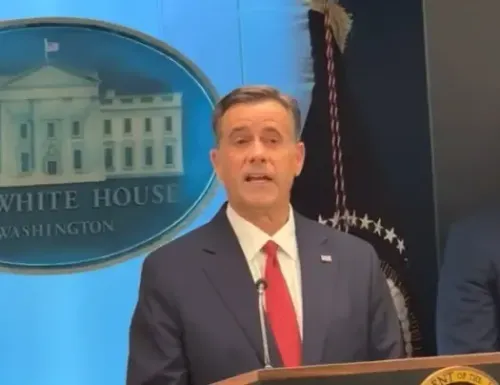
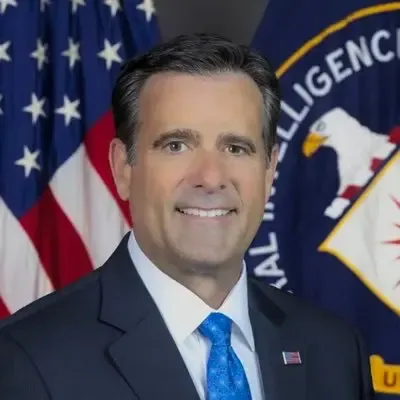
Washington, March 18 (NationPress) Iran is currently pursuing intelligence collaboration with adversaries of the United States, as revealed by CIA Director John Ratcliffe during a Senate Intelligence Committee hearing on global threats. This marks a notable shift in Tehran's approach as it seeks external strategic support.
“The Iranians are seeking intelligence assistance from Russia, China, and other nations opposed to the US. Whether those nations are providing such assistance is a topic for classified discussions,” Ratcliffe stated while addressing lawmakers about the evolving nature of the Iran conflict and the potential for wider geopolitical entanglements involving major powers.
Ratcliffe emphasized that Iran remains a persistent and immediate threat, dismissing any claims that Tehran has reduced its ambitions. “Senator, no. In fact, the intelligence indicates the opposite,” he responded to inquiries about whether Iran had halted its nuclear or missile initiatives.
He also raised alarms regarding Iran's missile program, cautioning that advancements in technology could eventually enable missiles to reach the continental United States. Tehran is reportedly gaining expertise in more powerful booster technologies through its space launch vehicle program.
“If not restricted, yes, Senator, they would have the capability to target missiles at the continental US,” he asserted, noting that undermining Iran's missile production capabilities through Operation Epic Fury is crucial for national security.
Tulsi Gabbard, Director of National Intelligence, echoed these concerns, stating that the intelligence community has been consistently monitoring the threats posed by Iran and has kept policymakers informed with ongoing assessments.
“The intelligence community has always taken the threats from the Iranian regime's missile capabilities very seriously, especially regarding the safety of American troops in the region,” she remarked.
Gabbard highlighted longstanding intelligence assessments regarding Iran's ability to disrupt global energy supplies. “Historically, the Iranians have threatened to leverage their control over the Strait of Hormuz,” she added.
Ratcliffe revealed that Iran has also devised plans to target US-affiliated interests in the region, stating, “Iran had specific plans to strike US interests in energy sectors across the region,” and that precautions for “force protection and personnel safety” were implemented prior to Operation Epic Fury.
The discussions underscored increasing concerns among lawmakers that the conflict could escalate, particularly if Iran strengthens its coordination with nations like Russia and China. Despite this, intelligence officials asserted that the United States had anticipated key aspects of Iran's actions.
Gabbard confirmed that the intelligence community has “continued to evaluate potential threats and existing risks in the region, providing assessments to policymakers and decision-makers.”
In response to inquiries, Ratcliffe reiterated that Iran has long posed a consistent threat to the United States and remains an immediate concern, underlining the stakes for US national security as developments unfold.
Point of View
This development signifies a critical shift in Iran's strategic approach, showcasing its efforts to bolster alliances with global adversaries. The implications for US foreign policy and national security are profound, necessitating vigilant assessment and proactive measures.
NationPress
19 Sept 2026
Frequently Asked Questions
What intelligence support is Iran seeking?
Iran is seeking intelligence assistance from adversaries such as Russia and China to strengthen its strategic position.
What are the implications of Iran's missile program?
Iran's advancements in its missile program pose a potential threat to the continental US, raising security concerns.
How is the US intelligence community responding?
The US intelligence community is continuously monitoring the situation and providing assessments to policymakers regarding Iran's activities.
What historical threats has Iran posed?
Historically, Iran has threatened to disrupt global energy flows, particularly through its control over the Strait of Hormuz.
What is Operation Epic Fury?
Operation Epic Fury aims to degrade Iran's missile production capabilities to enhance US national security.