US yet to apologise for Iran school attack that killed 168 children: Iranian diplomat
Synopsis
A senior Iranian diplomat told a New Delhi summit that the US has yet to apologise for a strike on a primary school in Minab, Iran, that killed 168 children on February 28 — with some bodies still unrecovered. The remarks, made alongside Palestine's ambassador describing Gaza as a 'textbook genocide,' signal growing Iranian and Palestinian pressure on the US at international diplomatic forums.
Key Takeaways
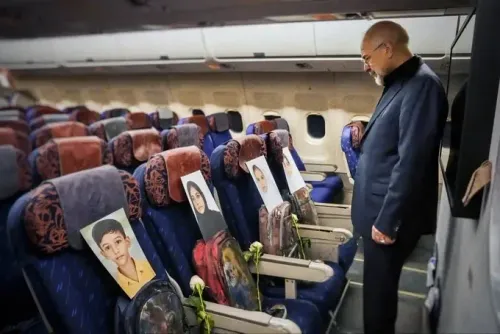
Senior Iranian diplomat Abdul Majid Hakeem Ilahi said the United States has not apologised for a 28 February strike on Shajareh Tayyibeh School in Minab, Iran .
Iran states 168 children were killed; a UN investigators' committee cited a figure of 125 children killed in the same attack.
Some victims' bodies have reportedly not been recovered, according to Ilahi.
Ilahi confirmed Iran's Supreme Leader Mojtaba Khamenei is in 'very good health,' citing recent multi-hour meetings with senior officials.
Palestine's Ambassador Abdullah Abu Shawesh accused the US of using its UN Security Council veto six times to block resolutions on Gaza, calling the situation a 'textbook genocide.' Both diplomats spoke at the NDTV World Summit in New Delhi on 23 October 2026 .
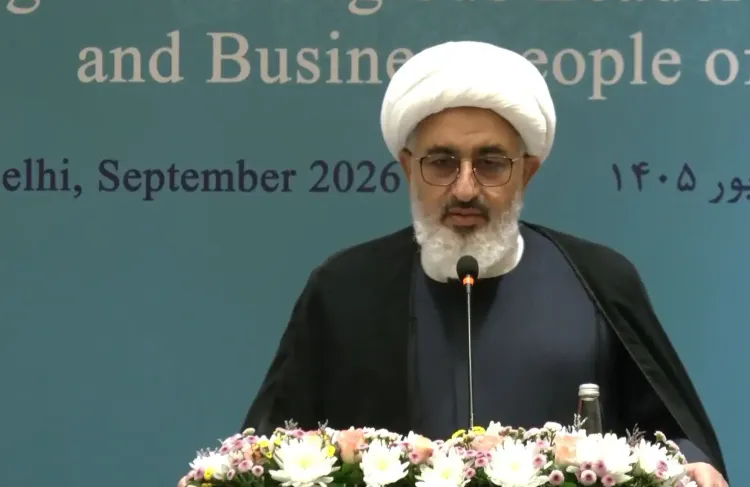
Senior Iranian diplomat Abdul Majid Hakeem Ilahi, Representative of Iran's Supreme Leader, said on Friday, 23 October 2026, that the United States has still not apologised for a strike on a primary school in Iran that killed 168 children, with some bodies yet to be recovered. Ilahi made the remarks while speaking at the NDTV World Summit in New Delhi, during a session titled 'A Region in Flux: Who Will Shape the Middle East's Future?'
The Attack on Shajareh Tayyibeh School
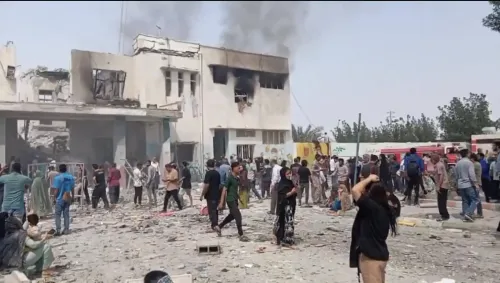
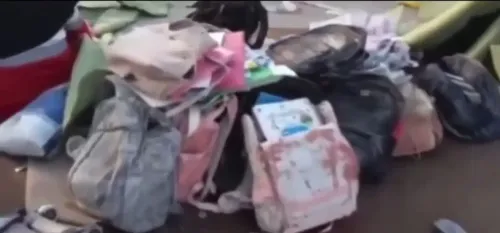
According to Ilahi, the strike on Shajareh Tayyibeh School in Iran's Minab took place on 28 February, killing what he described as 168 innocent children. He noted that a United Nations investigators' committee was subsequently dispatched to probe the incident, and their findings cited 125 children killed — a figure lower than Iran's own stated toll.
'They attacked Iran, and on February 28, they attacked a primary school and killed 168 innocent children. Till now, some of the bodies of these children couldn't be found and their parents are still crying because they don't have any grave for their children to go there and cry,' Ilahi said.
Call to the International Community
Ilahi urged the global community to condemn the attack and ensure such incidents are never repeated, whether in Iran or elsewhere. 'October is the first academic year of Iranian schools but there is no one now and they are suffering,' he said, adding that the US has offered no apology 'for this big mistake.' He called upon 'all free people, all human beings to criticise such tragedy, that it should not be repeated, whether in Iran or other countries.'
Iran's Supreme Leader Health Clarified
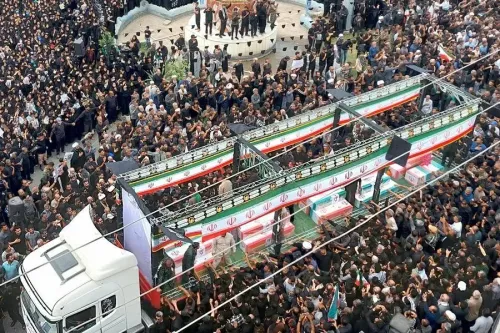
Ilahi also addressed widespread speculation over the health of Iran's Supreme Leader Mojtaba Khamenei, stating that 'he is benefiting from very good health and working very nicely.' He cited a recent seven-hour meeting between Khamenei and Iran's President as evidence, along with separate hours-long meetings with the Speaker of Parliament. Ilahi added that Khamenei was present at his father's funeral and participated in public demonstrations in Iran.
Palestine's Ambassador on Gaza
Also speaking at the session, Palestine's Ambassador to India, Abdullah Abu Shawesh, described the situation in Gaza as a 'textbook genocide,' alleging sustained US military and political support for Israel. He stated that the United States had used its UN Security Council veto six times to block resolutions aimed at ending the conflict. 'It's not humanitarian suffering. It's a genocide,' he said. Abu Shawesh added that multiple countries are 'part of this genocide' through weapons supply, though he did not name them beyond the US.
What to Watch
The remarks at the NDTV World Summit come amid heightened international debate over accountability for civilian casualties in conflict zones across the Middle East. The Speaker of Iran's Parliament is reportedly scheduled to visit New Delhi in the coming days, which could bring further diplomatic signalling on these issues.
Point of View
Yet the discrepancy will likely be used to dilute accountability on both sides. Notably, the remarks come as Iran simultaneously projects strength — emphasising Khamenei's health and an upcoming parliamentary visit — suggesting Tehran is managing perceptions of internal stability while escalating its international grievance campaign. The Palestine ambassador's 'textbook genocide' framing, paired with the six-veto count, is a deliberate legal and moral escalation aimed at sustaining international pressure ahead of any future ceasefire negotiations.
NationPress
23 Oct 2026
Frequently Asked Questions
What was the Iran primary school attack that the Iranian diplomat referred to?
The attack targeted Shajareh Tayyibeh School in Minab, Iran, on 28 February. Iran says 168 children were killed; a subsequent UN investigators' committee cited a figure of 125 children killed in the strike.
Why has the Iranian diplomat demanded a US apology now?
Abdul Majid Hakeem Ilahi raised the demand at the NDTV World Summit in New Delhi on 23 October 2026, urging the international community to condemn the attack and ensure it is not repeated. He noted that some children's bodies have still not been recovered and their parents have no graves to mourn at.
What did the UN investigation find about the Minab school strike?
According to Ilahi, the UN dispatched an investigators' committee to probe the incident. The committee's findings cited 125 children killed — lower than Iran's own stated toll of 168.
What is the current health status of Iran's Supreme Leader Mojtaba Khamenei?
Ilahi stated that Khamenei 'is benefiting from very good health and working very nicely,' citing a recent seven-hour meeting between Khamenei and Iran's President, as well as separate multi-hour meetings with the Speaker of Parliament.
What did Palestine's Ambassador to India say about Gaza at the NDTV World Summit?
Abdullah Abu Shawesh described the situation in Gaza as a 'textbook genocide,' alleging that the United States has provided sustained weapons and political support to Israel and used its UN Security Council veto six times to block resolutions aimed at ending the conflict.