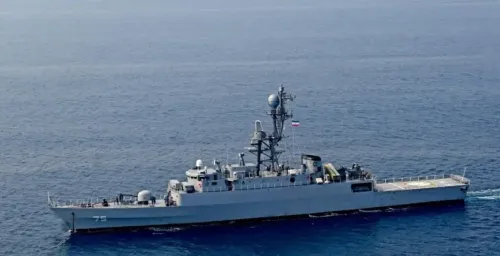
Concerns Over Misinformation Regarding IRIS Dena Sinking: A Report
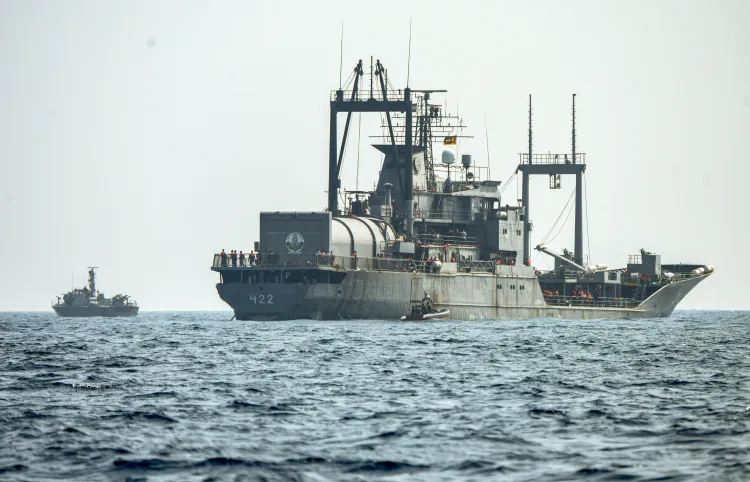
Synopsis
A troubling narrative about the sinking of the Iranian ship IRIS Dena by the US has surfaced online, emphasizing the urgent need for vigilance against misinformation. This report sheds light on the complexities involved and the implications for naval operations.
Key Takeaways
The sinking of IRIS Dena has sparked significant misinformation online.
Former Navy Officer T S V Ramana emphasizes the importance of constant vigilance in maritime operations.
The incident reflects broader geopolitical tensions between the US and Iran .
Naval vessels must always be prepared for potential conflict, even during diplomatic missions.
Understanding the complexities of maritime operations is crucial for accurate assessments.
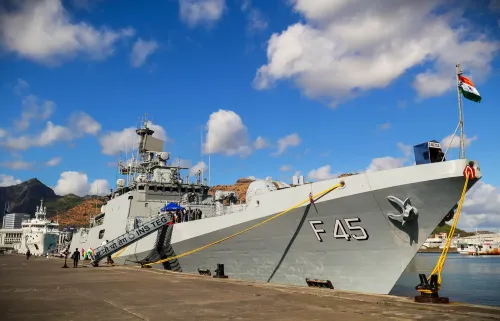
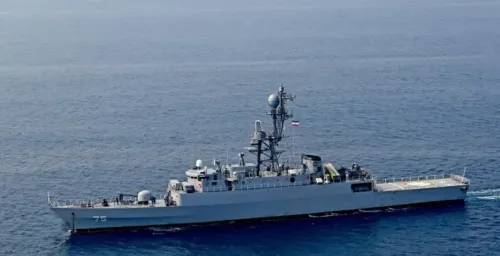
New Delhi, March 12 (NationPress) A misleading narrative has emerged on social media regarding the sinking of the Iranian vessel IRIS Dena by the United States, which was involved in the International Fleet Review (IFR) and Milan 2026 events organized by the Indian Navy near Visakhapatnam. This situation highlights the urgent need for vigilance over online discussions and proactive measures to combat harmful misinformation, as reported on Thursday.
Former Indian Navy Officer T S V Ramana pointed out that the excessive focus on the fact that IRIS Dena was returning from the IFR at Visakhapatnam, along with phrases like ‘it was India’s guest’, ‘it occurred in India’s backyard’, ‘the US overlooked the negative optics’, and ‘the sailors from Dena engaged in friendly exchanges’ seem to suggest a misplaced sense of responsibility on India's part for the incident, conveniently ignoring the ongoing conflict between the US and Iran.
Ramana observed that the March 4 attack by the US Navy’s SSN on Dena, which involved a Mk 48 Torpedo and subsequent release of periscope images and videos, ignited extensive discussions surrounding legal, moral, humanitarian, and diplomatic implications.
“A crucial takeaway from this incident is that assessing the strategic environment around one's country and the operational areas of naval vessels must be a constant, all-day, every-day responsibility. Surprises can occur if there is either a deficit of intelligence or, more perilously, if intelligence is disregarded,” Ramana stated.
“For naval ships, there is no such concept as a ‘ceremonial role’; even during diplomatic missions, they remain combat-ready,” he emphasized.
The report concluded that while such incidents evoke strong feelings, naval vessels are engineered to confront peril, and naval professionals should not base decisions on emotional responses.
“Some claimed that the Indian Navy should have been aware of the US SSN's movements, implying that it ought to monitor all activities in the Indian Ocean Region round the clock. It is evident that those making such assertions lack an understanding of the vastness and intricacies of maritime operations, where conditions are never static,” the former officer noted.
Point of View
It is essential to present the facts surrounding the sinking of IRIS Dena without bias. The narrative that has emerged online requires careful analysis, as it reflects on both international relations and the responsibilities of naval forces. A nation-first approach must involve vigilance against misinformation while understanding the broader strategic context.
NationPress
19 Sept 2026
Frequently Asked Questions
What caused the sinking of IRIS Dena?
The Iranian ship IRIS Dena was reportedly attacked by the US Navy, which has been a subject of significant debate regarding the implications of this incident.
What is the significance of the International Fleet Review?
The International Fleet Review is a significant naval event where various countries showcase their maritime capabilities, fostering international cooperation and diplomacy.
Why is misinformation a concern in this context?
Misinformation can lead to misunderstandings between nations, escalate tensions, and affect public perception regarding naval operations and international relations.
How should naval operations adapt to such incidents?
Naval operations must maintain constant awareness of the strategic environment and ensure that intelligence is effectively utilized to prevent surprises.
What lessons can be learned from the IRIS Dena incident?
The incident highlights the necessity for continuous monitoring of maritime activities and the importance of distinguishing between ceremonial and operational roles of naval vessels.