Jabalpur Outer Ring Road: ₹3,540 crore NHAI project to boost Mahakaushal trade
Synopsis
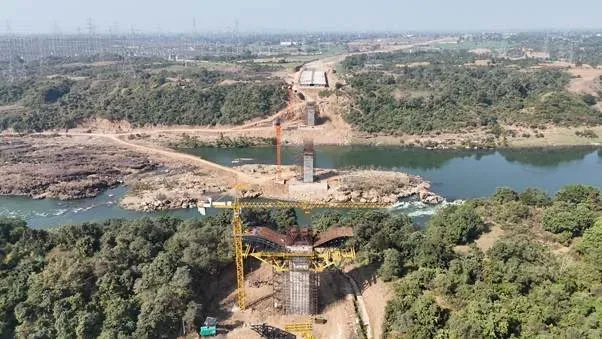
A ₹3,540 crore, 114-km NHAI Greenfield ring road around Jabalpur is set to reroute inter-state freight traffic away from the city's congested core, while unlocking tourism access to Bhedaghat, Dhuandhar Falls, and Kanha National Park. For the Mahakaushal region, it is less a bypass and more a reorientation of economic geography.
Key Takeaways
NHAI is building a 114-kilometre four-lane Outer Ring Road around Jabalpur at an estimated cost of ₹3,540 crore .
The corridor is divided into five construction packages : Barela-Manegaon, Manegaon-NH-45, NH-45-Kushner, Kushner-Amjhar, and Amjhar-Barela.
The bypass will divert heavy vehicles travelling between Madhya Pradesh , Uttar Pradesh , Chhattisgarh , and Maharashtra away from Jabalpur's urban core.
Public Works Minister Rakesh Singh called the project a 'game changer' for Jabalpur and adjoining districts.
Improved access is expected to benefit tourism destinations including Bhedaghat , Dhuandhar Falls , and Kanha National Park .
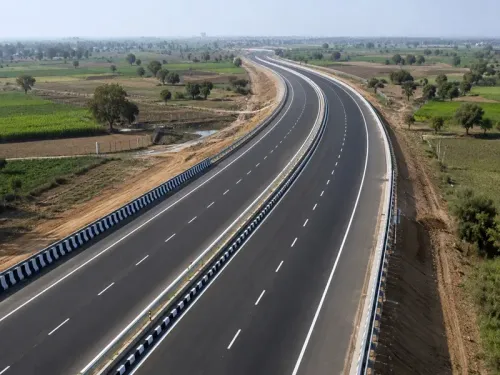
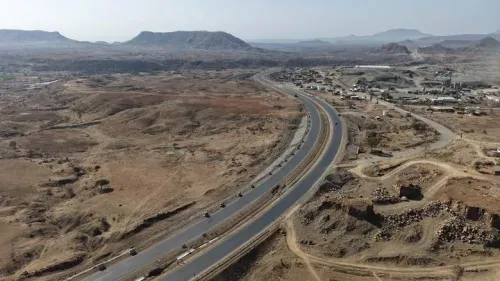
The National Highways Authority of India (NHAI) is developing a 114-kilometre, four-lane Greenfield Outer Ring Road around Jabalpur at an estimated cost of ₹3,540 crore, a project that officials say will reshape connectivity and economic activity across the Mahakaushal region of Madhya Pradesh. The corridor is expected to ease chronic urban congestion while opening new corridors for trade, tourism, and industrial growth in central India.
Project Scope and Structure
The ring road has been divided into five construction packages — covering the Barela-Manegaon, Manegaon-NH-45, NH-45-Kushner, Kushner-Amjhar, and Amjhar-Barela stretches — which together will form a complete bypass corridor encircling the city. The alignment also improves road access to nearby towns, villages, and Jabalpur Airport.
What the Government Said
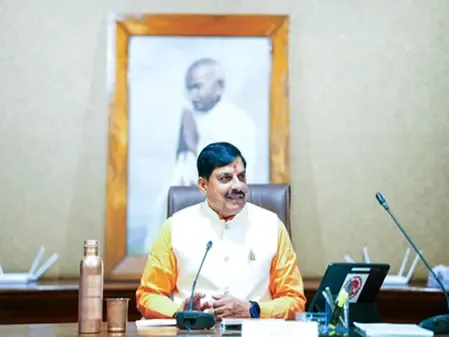
Senior Bharatiya Janata Party (BJP) leader and Public Works Minister Rakesh Singh, who represents Jabalpur, described the project as a 'game changer' for the district and its adjoining areas. Singh said the corridor would 'provide a new direction to the development of the Jabalpur region,' reducing traffic pressure within city limits while reinforcing regional trade, tourism, and industrial activity. He added that once operational, commercial and transit vehicles moving between Madhya Pradesh, Uttar Pradesh, Chhattisgarh, and Maharashtra would no longer need to navigate Jabalpur's congested urban stretches.
Why Jabalpur Needed This
Rapid urbanisation and rising industrial activity over recent years have intensified traffic congestion in Jabalpur, with long snarls, transport delays, and elevated fuel consumption becoming routine challenges for commuters and freight operators alike. The ring road is designed as a long-term structural solution, routing heavy and long-distance vehicles entirely around the city rather than through it.
Tourism and Employment Impact
Singh highlighted that improved connectivity would ease access to prominent destinations in the region, including Bhedaghat, Dhuandhar Falls, Gwari Ghat, and Kanha National Park. He said the new infrastructure would strengthen tourism facilities and generate local employment opportunities, giving the Mahakaushal region a broader economic lift beyond logistics alone.
What Comes Next
With construction divided across five packages for phased execution, the project is structured for timely delivery. Completion of the full corridor is expected to position Jabalpur as a key transit and commercial hub in central India, with downstream benefits rippling across agriculture, manufacturing, and hospitality sectors in the region.
Point of View
Two areas where NHAI's central Indian projects have historically slipped. The tourism angle, while valid, depends on last-mile connectivity to Bhedaghat and Kanha that the ring road alone does not provide. Framing this as a Mahakaushal economic transformation is aspirational; the corridor is a necessary condition, not a sufficient one.
NationPress
19 Sept 2026
Frequently Asked Questions
What is the Jabalpur Outer Ring Road project?
It is a 114-kilometre, four-lane Greenfield bypass corridor being built by NHAI around Jabalpur at an estimated cost of ₹3,540 crore. The project aims to divert heavy and long-distance vehicles away from the city's congested urban stretches while improving regional connectivity.
Which states will benefit from the Jabalpur Outer Ring Road?
The corridor is designed to ease inter-state freight and transit movement between Madhya Pradesh, Uttar Pradesh, Chhattisgarh, and Maharashtra, eliminating the need for vehicles to pass through Jabalpur city.
How is the construction of the ring road organised?
The project has been divided into five packages covering the Barela-Manegaon, Manegaon-NH-45, NH-45-Kushner, Kushner-Amjhar, and Amjhar-Barela stretches, which together form a complete loop around Jabalpur.
How will the ring road impact tourism in the Mahakaushal region?
According to Public Works Minister Rakesh Singh, improved road connectivity will make it easier for visitors to reach destinations such as Bhedaghat, Dhuandhar Falls, Gwari Ghat, and Kanha National Park, while also generating local employment.
Why was a ring road needed for Jabalpur?
Years of rapid urbanisation and industrial growth had created severe traffic congestion in Jabalpur, with long snarls and transport delays becoming routine. The ring road offers a structural bypass solution rather than incremental urban road improvements.