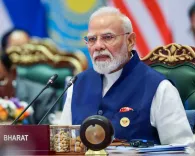
Fadnavis welcomes Jarange Patil ending 20-day hunger strike, 12 of 13 demands accepted
Synopsis
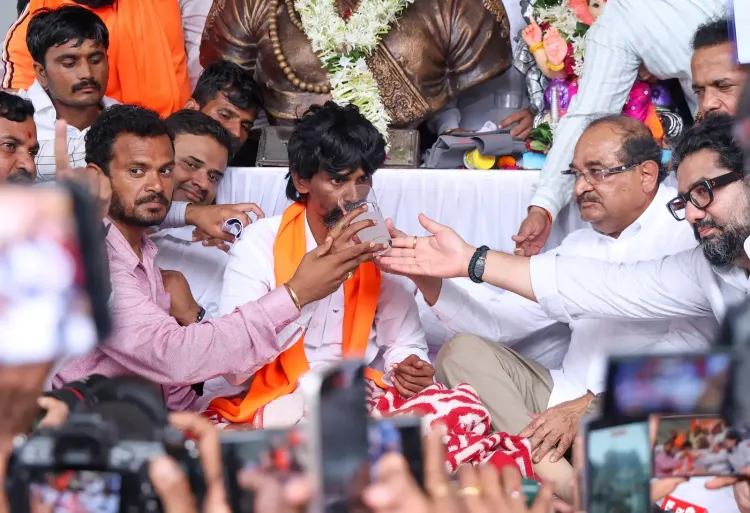
Manoj Jarange Patil's 20-day hunger strike is over — but the battle is not. After the Maharashtra government accepted 12 of 13 demands and pledged gazette implementation within 90 days, the Maratha quota activist has paused, not surrendered. A three-month countdown now puts Chief Minister Fadnavis's credibility squarely on the line.
Key Takeaways
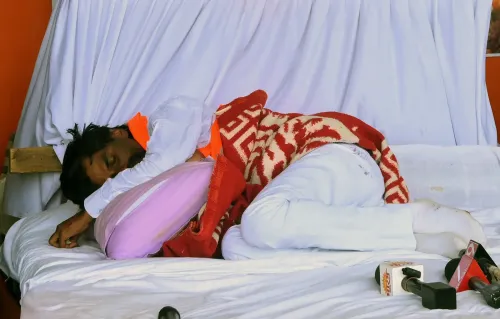
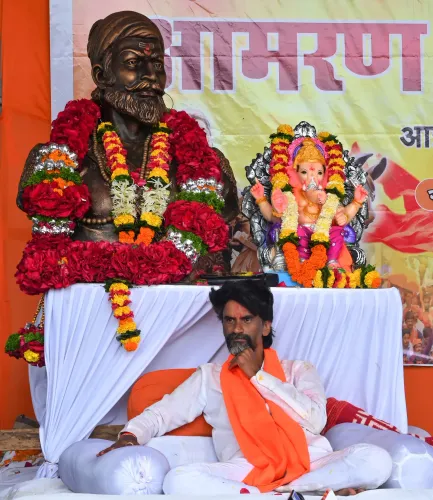
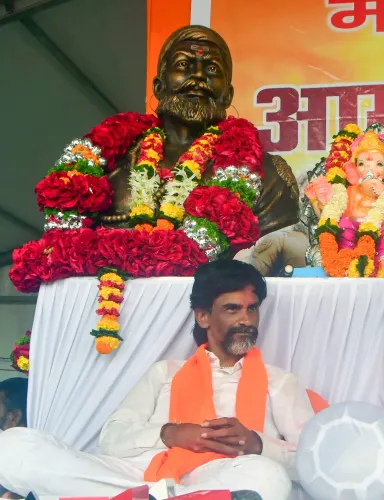
Manoj Jarange Patil suspended his 20-day hunger strike on 17 September 2026 in Patoda, Beed district .
Maharashtra CM Devendra Fadnavis confirmed 12 of 13 Maratha activist demands have been accepted; one was declined on legal grounds.
The government committed to implementing the Satara, Kolhapur, Pune, and Aundh Gazettes within three months via a Government Resolution.
Jarange Patil set a 90-day ultimatum and warned of a march to Mumbai if the government fails to deliver.
58 lakh Kunbi records found by the Shinde Committee will not be reduced, and revoked certificates of four Marathwada elected representatives will be validated.
The broader Maratha agitation continues; Jarange Patil clarified the community's struggle will not stop until it succeeds.
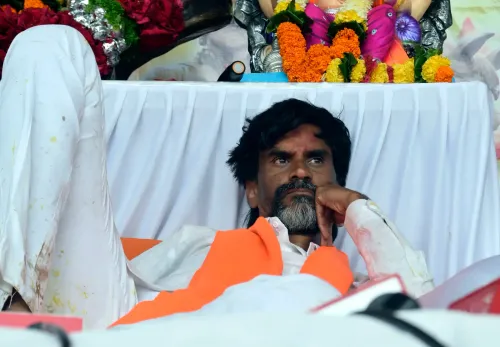
Maharashtra Chief Minister Devendra Fadnavis on Thursday, 17 September 2026, expressed relief after Maratha quota activist Manoj Jarange Patil called off his 20-day hunger strike, saying the state government had accepted 12 of his 13 demands. The standoff, which had heightened tensions ahead of the festive season, ended peacefully following talks between Jarange Patil and a government delegation in Patoda, Beed district.
What the Chief Minister Said
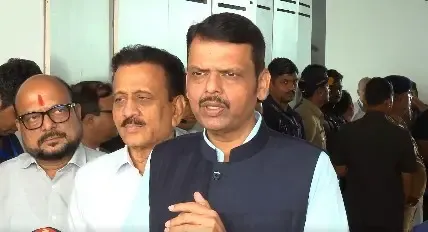
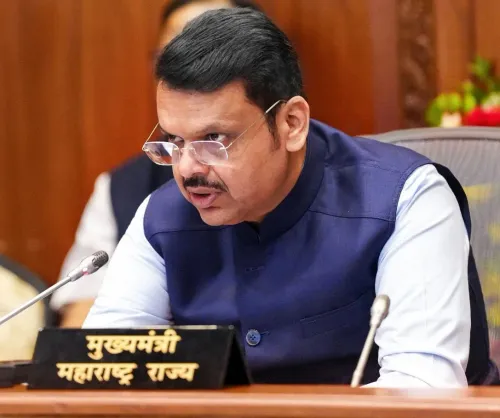
Addressing mediapersons, Fadnavis said he was glad the agitation had concluded without disruption to upcoming celebrations. 'We are glad that Manoj Jarange Patil has called off his hunger strike. We had urged him to do so. Out of his 13 demands, 12 have been accepted by the government. One demand could not be fulfilled due to legal constraints, which was duly communicated to him,' the Chief Minister stated.
Fadnavis assured that commitments made by the cabinet sub-committee would be strictly implemented, with necessary meetings and administrative steps to follow. He also claimed that no previous administration had taken as many concrete decisions for the welfare of the Maratha community as the current government, adding that 'our doors remain open.'
Key Assurances Given by the Government Delegation
The government team — comprising Ministers Radhakrishna Vikhe Patil and Dadaji Bhuse, legislators Prasad Lad and Suresh Dhas, and the Beed District Collector — offered Jarange Patil a set of binding assurances. These include the implementation of the Satara, Kolhapur, Pune, and Aundh Gazettes within three months through a Government Resolution (GR), issuance of a revised GR to grant Kunbi certificates in line with the Hyderabad Gazette, continued validation of certificates already issued under the Hyderabad Gazette, no reduction in the 58 lakh Kunbi records identified by the Shinde Committee, and validation of revoked Kunbi certificates of four elected representatives from Marathwada.
Jarange Patil's Conditions and Ultimatum
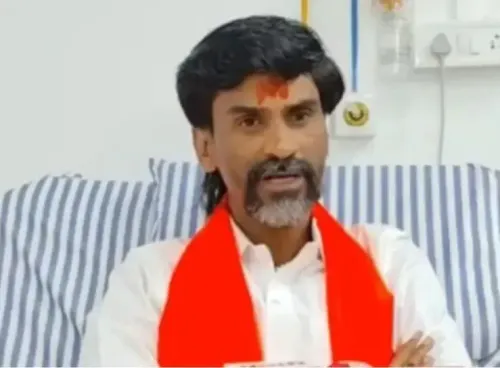
Announcing the suspension — not withdrawal — of his strike, Jarange Patil made clear the broader agitation would continue until the community's demands were fully met. He granted the government a 90-day deadline to implement the Satara Gazette, warning that if the government failed to follow through, he would march to Mumbai.
Notably, Jarange Patil emphasised that the community's dignity mattered more than reservations, and cautioned that he would not stay silent if ministers publicly criticised the movement. He also asked supporters to treat Deputy Chief Minister Eknath Shinde and Minister Vikhe Patil with respect, despite any prior disagreements.
Political Context and What Comes Next
Chief Minister Fadnavis credited Deputy Chief Minister Eknath Shinde, Minister Radhakrishna Vikhe Patil, and legislator Prasad Lad for their mediation efforts. This comes amid a prolonged political and legal battle over Maratha reservation, which has seen multiple rounds of agitation, court stays, and legislative attempts since 2018. The Maratha community's demand for Other Backward Class (OBC) status — particularly through the recognition of Kunbi lineage — has repeatedly tested successive Maharashtra governments.
With a 90-day clock now running on gazette implementation, the government faces a credibility test on delivery. Whether the promised GRs translate into tangible community benefits will determine if this pause holds or gives way to a fresh escalation.
Point of View
Not a resolution — and the Maharashtra government knows it. Accepting 12 of 13 demands looks generous on paper, but the one refused demand and the legally contested nature of Maratha OBC classification remain the core of the dispute. The 90-day gazette deadline is a double-edged commitment: meet it and the government buys peace; miss it and the next agitation will likely be larger and harder to contain ahead of a politically sensitive period. Successive Maharashtra governments have made similar assurances since 2018, only to face fresh standoffs — the pattern of promise-and-pause is well established, and Jarange Patil's explicit warning of a Mumbai march signals he is aware of it too.
NationPress
17 Sept 2026
Frequently Asked Questions
Why did Manoj Jarange Patil end his hunger strike?
Manoj Jarange Patil suspended his 20-day hunger strike on 17 September 2026 after the Maharashtra government accepted 12 of his 13 demands and gave formal assurances on gazette implementation. He clarified the broader agitation would continue and set a 90-day deadline for the Satara Gazette to be implemented.
What are the key demands the Maharashtra government agreed to?
The government agreed to implement the Satara, Kolhapur, Pune, and Aundh Gazettes within three months through a Government Resolution, issue a revised GR for Kunbi certificates under the Hyderabad Gazette, maintain the 58 lakh Kunbi records found by the Shinde Committee, and validate revoked Kunbi certificates of four elected representatives from Marathwada.
Which demand was not accepted and why?
Chief Minister Devendra Fadnavis stated that one of Jarange Patil's 13 demands could not be fulfilled due to legal constraints. The specific demand was not detailed publicly, but it is understood to relate to the broader legal challenge around granting OBC or Kunbi status to the Maratha community.
What happens if the government does not meet the 90-day deadline?
Jarange Patil warned that if the government fails to implement the Satara Gazette within three months, he will march to Mumbai. He also clarified that the agitation will not stop until the community's demands are fully met.
What is the Satara Gazette and why does it matter for Maratha reservation?
The Satara Gazette is a historical record that, if officially implemented, could help establish Kunbi caste lineage for Maratha community members — a key step toward qualifying for OBC reservations. Implementation through a formal Government Resolution would give the document legal and administrative weight in processing reservation claims.