Manoj Jarange-Patil's 9th hunger strike: Maratha quota remains Maharashtra's political faultline
Synopsis
Manoj Jarange Patil's ninth hunger strike is not just another protest cycle — it is a referendum on whether Maharashtra's political class can move from promising Maratha reservation to actually delivering it. With 58 lakh Kunbi documents unvalidated, OBC groups mobilising in opposition, and a government caught between two electoral blocs, this is the most dangerous phase of the agitation yet.
Key Takeaways
Manoj Jarange Patil launched his ninth indefinite hunger strike on 30 May at Antarwali Sarati , Jalna, sitting without food, water, or shelter in summer heat.
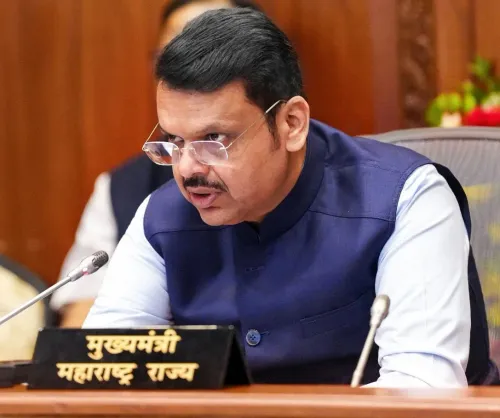
He rejected a government delegation led by Water Resources Minister Radhakrishna Vikhe-Patil , accusing the MahaYuti government of deliberate delay.
The core demand is validation of 58 lakh Kunbi documents from historical records, including the Satara and Hyderabad Gazettes .
The state says over 2.5 lakh certificates have been distributed in Marathwada but cites complex validation requirements for the remainder.
The Maratha community makes up nearly 33 per cent of Maharashtra's population; OBC groups have threatened counter-agitations on the same day.
The Cabinet Sub-Committee on Maratha Reservation is reportedly deploying Standard Operating Procedures to district collectors to speed up record tracing.
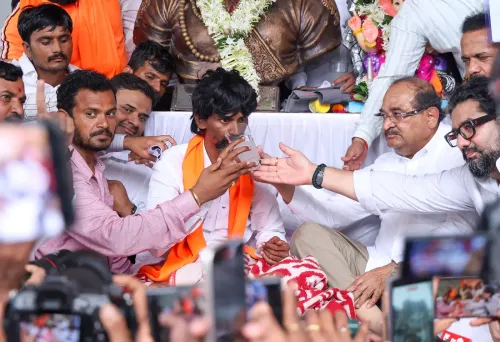
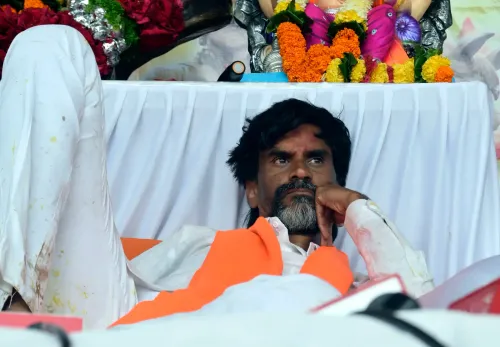
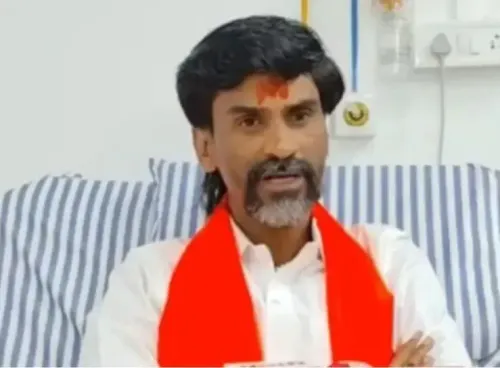
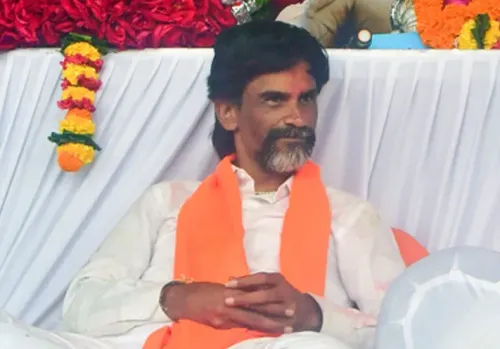
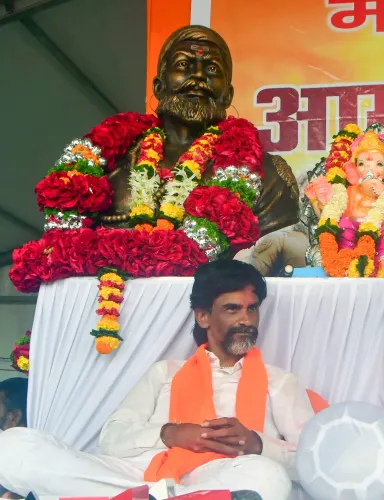
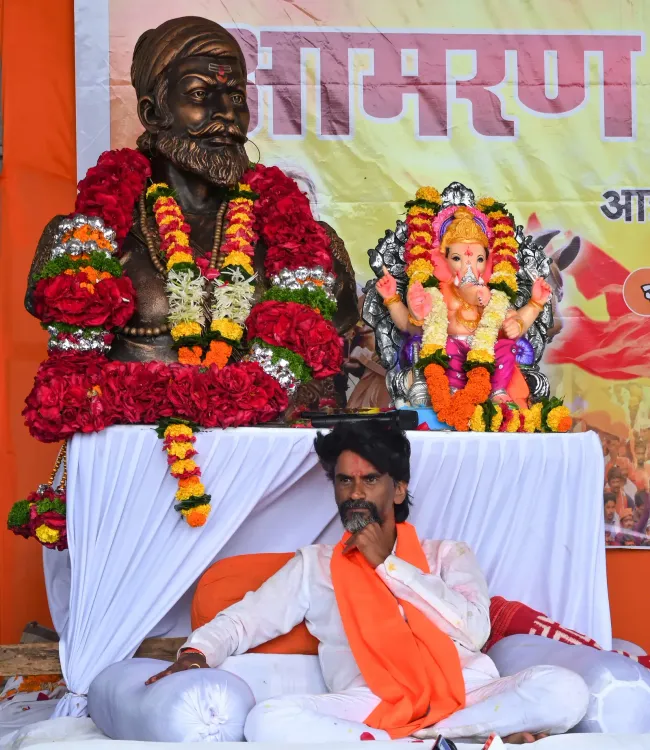
Maratha quota activist Manoj Jarange Patil on Saturday, 30 May launched his ninth indefinite hunger strike at Antarwali Sarati in Jalna district, sitting in the open without food, water, or shelter under the blazing summer sun. The escalation came after he rejected a last-minute government delegation led by Maharashtra Water Resources Minister Radhakrishna Vikhe-Patil, accusing the MahaYuti government of subjecting the Maratha community to an 'agnipariksha' — a trial by fire — over the long-pending reservation issue.
From Mumbai's Gates to a Village in Jalna
This agitation marks a significant shift from Jarange Patil's high-profile march to Mumbai in January 2024, which forced the state government to the negotiating table. That mobilisation was a macro-political show of strength — thousands marching to the borders of the financial capital to extract a legislative promise. The current fast, by contrast, is a high-risk, solitary strike rooted in the friction of implementation rather than the battle for a policy framework.
The pivot from Mumbai to the rural heartland of Marathwada reflects a narrowing of demands: from securing a broad legal path to classifying Marathas as Kunbis for Other Backward Classes (OBC) status, to holding the administration accountable for bureaucratic delays in executing that very promise.
The Core Dispute: 58 Lakh Kunbi Documents
At the heart of the current standoff is Jarange Patil's demand for the validation of 58 lakh Kunbi documents sourced from historical records — specifically the Satara and Hyderabad Gazettes. These administrative documents record the socio-economic status of families in western Maharashtra and Marathwada, and are being used by activists as official proof that local Marathas were historically classified as agrarian Kunbis, thereby qualifying them for modern OBC reservation benefits.
The state government maintains that more than 2.5 lakh certificates have already been distributed in Marathwada and that complex validation requirements are slowing the remainder. Jarange Patil, however, points to bureaucratic red tape, faulty certificates affecting student admissions, and the absence of formal recognition for the Satara Gazetteer as evidence of deliberate delay. His demand has narrowed to a zero-tolerance deadline for concrete administrative execution.
The Political Tightrope: Marathas vs OBC Blocs
The persistence of this agitation underscores why the Maratha quota is a fault line no political party in Maharashtra can afford to ignore. The Maratha community constitutes nearly 33 per cent of Maharashtra's population and has historically been the state's dominant political force. No ruling coalition can sustain power against unified Maratha anger.
Yet Jarange Patil's demand to include Marathas under the Kunbi-OBC category has triggered intense counter-mobilisation from established OBC organisations, who fear their own reservation benefits will be diluted. On the same day as the hunger strike, various OBC groups threatened to launch counter-agitations. The Maharashtra government is caught in what political observers describe as a catch-22: accelerate Kunbi certificate distribution and risk an OBC electoral backlash; delay and risk a rural uprising led by an activist willing to risk his life in the open heat.
Economic Distress Beneath the Political Demand
Beneath the demand for government jobs and educational reservations lies deep-seated economic distress in rural Maharashtra. Fragmentation of agricultural land, recurring droughts, and volatile crop pricing — including the ongoing onion procurement crisis — have made secure public sector employment a critical safety net for rural Maratha youth. The reservation demand is, at its core, an economic survival argument dressed in the language of social justice.
What Happens Next
The Cabinet Sub-Committee on Maratha Reservation is reportedly scrambling to deploy Standard Operating Procedures to district collectors to accelerate historical record tracing. The scene at Antarwali Sarati — a village in the Ambad taluka of Jalna district — confirms that Maharashtra's political landscape will continue to be shaped by this unresolved struggle. With Jarange Patil's health at stake and OBC groups mobilising in parallel, the state government faces its most acute test on this issue since the January 2024 march.
Point of View
The Maratha reservation crisis has moved from a demand for political intent to a demand for administrative competence — and that is a harder problem to solve. The government can issue GRs; it cannot easily override decades of incomplete record-keeping across hundreds of talukas. What is missing is not political will on paper but a credible, time-bound operational plan with measurable milestones. Meanwhile, the OBC counter-mobilisation signals that any acceleration on Kunbi certificates will be met with organised resistance, making this less a negotiation and more a structural deadlock. Maharashtra's political class has repeatedly deferred this reckoning; the cost of each deferral is now being paid in a man's health under a summer sun.
NationPress
19 Sept 2026
Frequently Asked Questions
Why has Manoj Jarange Patil launched his ninth hunger strike?
Jarange Patil launched his ninth indefinite hunger strike on 30 May at Antarwali Sarati in Jalna, demanding that the Maharashtra government validate 58 lakh Kunbi documents from historical records to grant Marathas access to OBC reservations. He rejected government talks and accused the MahaYuti administration of deliberately stalling implementation.
What are the Satara and Hyderabad Gazettes and why do they matter?
The Satara and Hyderabad Gazettes are historical administrative records that document the socio-economic status of families in western Maharashtra and Marathwada. Maratha activists use them as official proof that local Marathas were historically classified as agrarian Kunbis, which would qualify them for modern OBC reservation benefits.
What is the Maharashtra government's position on Kunbi certificates?
The state government says more than 2.5 lakh Kunbi certificates have already been distributed in Marathwada and that complex validation requirements are slowing the process for the remaining 58 lakh documents Jarange Patil is demanding. The Cabinet Sub-Committee on Maratha Reservation is reportedly deploying Standard Operating Procedures to district collectors to speed up record tracing.
Why are OBC groups opposing the Maratha reservation demand?
Established OBC organisations fear that including Marathas under the Kunbi-OBC category will dilute their own reservation benefits, since the overall OBC quota is finite. Several OBC groups threatened counter-agitations on the same day as Jarange Patil's hunger strike, putting the Maharashtra government under pressure from both sides.
How does this protest differ from the January 2024 Mumbai march?
The January 2024 march was a mass mobilisation to the borders of Mumbai aimed at forcing a broad legislative promise on Maratha reservation. The current fast is a solitary, high-risk strike in rural Jalna focused on the granular administrative failures in implementing that promise — specifically delays in Kunbi document validation and certificate issuance.