Jet Fuel Crisis: US Airlines Cut Flights Amid Iran-Linked Price Surge
Synopsis
Jet fuel prices nearly doubled to over $200 per barrel amid Iran tensions, forcing Alaska Airlines to cut flights and sparking a fierce Senate clash between Senator Maria Cantwell and Energy Secretary Chris Wright over slashed sustainable aviation fuel incentives — exposing America's dangerous dependence on Middle East oil.
Key Takeaways
Jet fuel prices surged from ~$100/barrel in late 2024 to over $200/barrel in April 2025 , driven partly by Iran-linked geopolitical tensions .
Alaska Airlines is projected to spend hundreds of millions more on fuel this quarter and has already cut its spring 2025 flight schedule .
Senator Maria Cantwell confronted Energy Secretary Chris Wright at a Senate hearing , criticising cuts to sustainable aviation fuel (SAF) tax credits and the hydrogen energy programme .
The Big Beautiful Bill reportedly reduces the value of sustainable aviation fuel tax credits , which critics say will slow innovation in cleaner jet fuel production.
Energy Secretary Wright defended the administration, arguing current prices remain below levels seen four years ago , though he acknowledged the frustration over rising costs.
US airlines are already raising fares and fees to offset higher fuel costs, with further disruptions expected if prices remain elevated through the summer 2025 travel season.
Washington, April 25 — Surging jet fuel prices, driven in part by tensions linked to the Iran conflict, have forced US airlines to cancel flights and raise ticket fares, setting off a heated confrontation in Congress over energy policy and the future of sustainable aviation fuel (SAF) programmes. The crisis has exposed deep fault lines between the current administration's fossil-fuel-friendly stance and lawmakers pushing for cleaner, domestically produced aviation energy alternatives.
Senate Showdown Over Fuel Costs
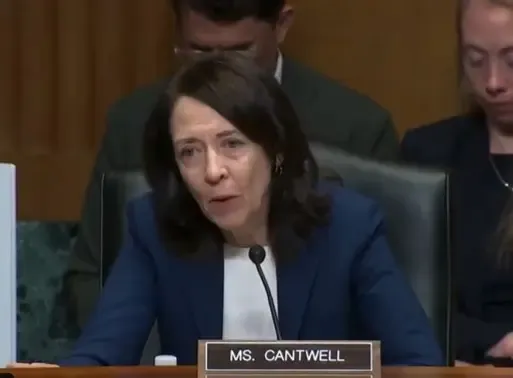
At a high-stakes Senate hearing, Senator Maria Cantwell (D-WA) confronted Energy Secretary Chris Wright directly over the administration's rollback of incentives designed to accelerate sustainable aviation fuel production. Cantwell cited a front-page story in the Seattle Times reporting flight cancellations caused by skyrocketing fuel costs as a stark illustration of real-world consequences.
Alaska Airlines, one of the Pacific Northwest's largest carriers, is projected to spend hundreds of millions of dollars more on fuel this quarter compared to the same period last year. The airline has already slashed its spring 2025 schedule in an effort to contain ballooning operational costs.
"Front page of the Seattle Times this morning — flights canceled because of the high cost of jet fuel," Cantwell said, underscoring the urgency of the situation for everyday travellers and the broader aviation industry.
Jet Fuel Prices Double in Months
Industry data reveal a dramatic escalation in aviation fuel costs. Jet fuel prices climbed from approximately $100 per barrel in late 2024 to above $200 per barrel in April 2025, before easing marginally. This near-doubling of prices within months represents one of the sharpest short-term spikes the aviation sector has seen outside of a full-scale geopolitical war scenario.
Analysts note that while crude oil markets globally have been rattled by Middle East instability, the speed and scale of the jet fuel surge reflects compounding factors — including refining capacity constraints, seasonal demand increases, and speculative trading tied to geopolitical risk premiums.
This comes amid a broader energy price surge across the US economy, with diesel prices climbing sharply and petrol prices rising over the past year, squeezing transport and logistics costs at every level of the supply chain.
Policy Battle: SAF Credits and Hydrogen Programmes Under Fire
Cantwell directly linked the airline crisis to what she described as short-sighted policy decisions by the current administration. She criticised cuts to tax credits aimed at boosting sustainable aviation fuel production and the scaling back of the hydrogen energy programme — both seen as critical pillars for reducing aviation's dependence on conventional jet fuel.
"You're cutting the hydrogen program. And in the Big Beautiful Bill, they cut the sustainable tax credit in value. And so you're really crippling the next generation of jet fuel," Cantwell said, warning that gutting early-stage incentives would set back US aviation energy innovation by years, if not decades.
She urged the administration to prioritise fuel source diversification to reduce America's vulnerability to Middle East oil price shocks. "Let's get out of the way of diversifying our fuel source so that we're not so dependent on Middle East oil," she said.
Energy Secretary Defends Administration's Position
Energy Secretary Chris Wright acknowledged the frustration over higher fuel prices but defended the administration's broader energy strategy. He argued that current prices, while elevated, remain lower than levels seen four years ago — a reference to the 2021–2022 energy price spikes during the post-pandemic recovery.
"Absolutely, and so do I. I would say it is frustrating to see a little bit higher energy prices right now. They're still well lower than they were four years ago," Wright said.
Cantwell was unimpressed. "There's nobody in the Northwest who thinks what's going on right now is okay, not when they wake up and airline flights are being canceled because of high fuel costs," she fired back, pointing to the tangible disruption felt by Pacific Northwest residents and travellers.
Wright further argued that sustainable aviation fuels are currently "meaningful drivers of upward prices for jet fuels" due to high production costs and underdeveloped transport infrastructure — a position that critics say conveniently justifies abandoning SAF investment rather than accelerating it.
Impact on Airlines, Passengers, and the Broader Economy
US airlines are already passing higher fuel costs onto passengers through increased fares and additional fees. Alaska Airlines' schedule cuts signal what could become an industry-wide trend if jet fuel prices remain elevated through the summer travel peak season.
The ripple effects extend well beyond the aviation sector. Higher diesel prices are pushing up freight and logistics costs, which feed into consumer prices for goods across the economy. For Indian travellers and businesses with US-India aviation ties, disruptions to US domestic connectivity could affect international routing and pricing as well.
Notably, the dispute also highlights a structural vulnerability in US energy policy — the continued heavy reliance on Middle East oil despite decades of rhetoric about energy independence. Critics argue that rolling back SAF tax credits and hydrogen programmes at precisely the moment geopolitical risk is spiking fuel costs is a contradiction the administration has yet to adequately explain.
With summer travel demand approaching and Iran-linked geopolitical tensions showing no signs of rapid resolution, aviation analysts warn that further flight cancellations and fare hikes are likely in the coming months unless fuel markets stabilise significantly. The Senate energy debate is expected to intensify as more airlines report quarterly earnings that reflect the full weight of the fuel cost surge.
Point of View
Washington promised energy independence while systematically underinvesting in alternatives; now, as Iran-linked tensions send jet fuel past $200 a barrel, the chickens are coming home to roost at airport departure gates. The administration's defence — that prices are still below 2021 peaks — is a statistical deflection that ignores the structural reality: cutting SAF tax credits and hydrogen programmes mid-crisis is the equivalent of removing life jackets from a listing ship. The deeper irony is that the very geopolitical instability driving this crisis is the strongest possible argument for accelerating the domestic clean fuel transition that is now being defunded.
NationPress
19 Sept 2026
Frequently Asked Questions
Why are US airlines cancelling flights in April 2025?
US airlines are cancelling flights due to a sharp surge in jet fuel prices, which climbed from around $100 per barrel in late 2024 to above $200 per barrel in April 2025. The price spike is linked to geopolitical tensions connected to the Iran conflict, making fuel costs unsustainable for some routes.
How much have jet fuel prices increased in 2025?
Jet fuel prices nearly doubled from approximately $100 per barrel in late 2024 to over $200 per barrel by April 2025 before easing slightly. This represents one of the steepest short-term surges in aviation fuel costs in recent years.
What is sustainable aviation fuel and why is it in the news?
Sustainable aviation fuel (SAF) is a cleaner alternative to conventional jet fuel, produced from sources like agricultural waste, hydrogen, or synthetic processes. It is in the news because Senator Maria Cantwell accused the US administration of cutting tax credits that support SAF development, worsening airlines' long-term fuel cost vulnerability.
What did Senator Cantwell say to Energy Secretary Wright about fuel costs?
Senator Maria Cantwell criticised Energy Secretary Chris Wright for cutting incentives for sustainable aviation fuel and hydrogen programmes, arguing these decisions cripple next-generation aviation energy. She cited Alaska Airlines' flight cancellations as direct evidence of the real-world harm caused by high jet fuel prices.
Which airlines are most affected by the jet fuel price surge?
Alaska Airlines has been prominently affected, with the carrier expected to spend hundreds of millions of dollars more on fuel this quarter and having already cut its spring 2025 schedule. Broader industry data suggest most US carriers are passing higher fuel costs onto passengers through increased fares and fees.