Jharkhand HC extends stay on JPSC, JSSC appointment cancellations; retired judge to monitor probe
Synopsis
The Jharkhand High Court refused to let a blanket cancellation stand — extending protection to appointees from both the JPSC CDPO and JSSC-CGL exams while installing a retired judge to oversee the probe. With 28 arrests, 265 notices, and alleged answer-coaching operations spanning Nepal to Bokaro, this is one of the most expansive recruitment scam investigations in the state's recent history.
Key Takeaways
The Jharkhand High Court on 18 September 2026 extended its stay on cancellation of JPSC CDPO and JSSC-CGL appointments.
Retired High Court judge Gautam Kumar Choudhary appointed to monitor the investigation; retired IPS officer R.K.
Malik named nodal officer.
28 people , including ICN Technology CEO Somansh Prakash , have been arrested; notices issued to 265 individuals .
Alleged answer-coaching reportedly took place across Nepal , Asansol , Kolkata , Bihar , Jharia , and Bokaro .
Of 28 candidates allegedly taken to Nepal , 10 reportedly cleared the CGL exam, according to the government's affidavit.
Court observed that a blanket cancellation could harm officials against whom no individual wrongdoing has been established.
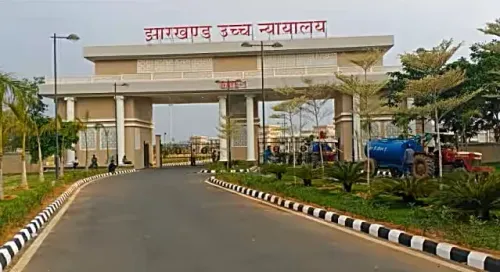
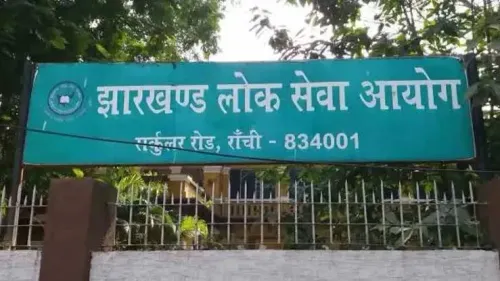
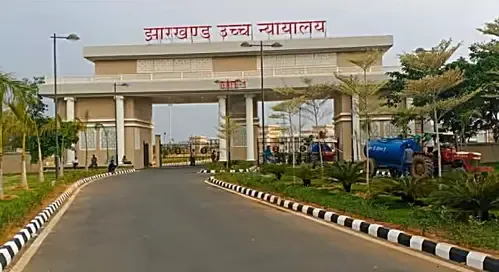
The Jharkhand High Court on Friday, 18 September 2026, extended its stay on the state government's decision to cancel appointments made through the Jharkhand Public Service Commission (JPSC) Child Development Project Officer (CDPO) examination and the Jharkhand Staff Selection Commission (JSSC) Combined Graduate Level (CGL) recruitment process. The court simultaneously appointed a retired High Court judge to oversee the investigation into alleged irregularities in both recruitment exercises.
Court's Key Observations
A bench of Justice Deepak Roshan heard a batch of petitions challenging the government's blanket annulment of appointments. The court orally observed that while available material suggests not all selections were conducted fairly, it is equally true that not every appointment was tainted. The bench expressed concern that a sweeping cancellation could unjustly penalise officials against whom no individual wrongdoing has been established.
The court also flagged the lengthy timelines of the JPSC recruitment process, noting that examinations and appointments often take two to three years to complete — making blanket cancellations particularly damaging for candidates who cleared the process legitimately.
Retired Judge, IPS Officer to Lead Oversight
To ensure impartial scrutiny, the court appointed retired High Court judge Gautam Kumar Choudhary to monitor the investigation. Retired IPS officer R.K. Malik was designated as the nodal officer for the probe. The dual-oversight structure signals the court's intent to insulate the inquiry from executive influence while keeping it moving.
What the Government Argued
The Jharkhand government and the JPSC both filed responses before the court. In its affidavit, the state defended its decision to cancel the JSSC-CGL examination, arguing that the entire recruitment process had been irreparably compromised by alleged irregularities, making it impossible to distinguish genuinely successful candidates from those who may have benefited unfairly.
The government cited Supreme Court guidelines that permit cancellation of an entire examination when valid selections cannot be separated from tainted ones. It further revealed that confidential examination work — including question paper printing and distribution — had been entrusted to a firm called ICN Technology.
Scope of the Alleged Scam
According to the government's affidavit, 28 individuals have been arrested in connection with the alleged exam scam, including ICN Technology CEO Somansh Prakash. Notices have been issued to 265 people. The investigation reportedly uncovered evidence that candidates were allegedly coached with answers at locations in Nepal, Asansol, Kolkata, Bihar, Jharia, and Bokaro. Of the 28 candidates allegedly taken to Nepal, 10 reportedly cleared the CGL examination, according to the affidavit. The investigation is still underway.
Legal Representation and Next Steps
Senior advocates Rajeev Ranjan, Indrajeet Sinha, Amritansh Vats, Kumar Harsh, Sonal Tiwari, and Subhash Rasik Soren, among others, appeared for the petitioners. The state government was represented by senior advocate Meenakshi Arora and Advocate General Rohitashwa Roy, while the JPSC was represented by advocates Sanjay Piperwal and Prince Kumar. The stay extension means affected appointees retain their positions for now, pending the outcome of the court-monitored probe.
Point of View
But its effectiveness depends entirely on the probe's pace and the quality of evidence the investigation team surfaces. Jharkhand's recruitment crisis also points to a systemic failure in outsourcing sensitive examination logistics — entrusting question-paper printing and distribution to a private firm like ICN Technology created a single point of compromise. Until public service commissions rebuild end-to-end in-house examination security, court interventions of this kind are likely to recur.
NationPress
18 Sept 2026
Frequently Asked Questions
What did the Jharkhand High Court order on 18 September 2026?
The Jharkhand High Court extended its stay on the state government's decision to cancel appointments made through the JPSC CDPO examination and the JSSC-CGL recruitment process. The court also appointed retired judge Gautam Kumar Choudhary to monitor the ongoing investigation into alleged exam irregularities.
Why did the Jharkhand government cancel the JSSC-CGL appointments?
The state government argued that the entire JSSC-CGL recruitment process was irreparably compromised by alleged irregularities, making it impossible to separate legitimate candidates from those who may have benefited unfairly. It cited Supreme Court guidelines that permit full cancellation in such circumstances.
Who has been arrested in the Jharkhand exam scam?
As of the latest court proceedings, 28 individuals have been arrested, including ICN Technology CEO Somansh Prakash, the firm that was entrusted with printing and distributing examination question papers. Notices have been issued to 265 people, and the investigation is still ongoing.
What role will retired judge Gautam Kumar Choudhary play?
Retired High Court judge Gautam Kumar Choudhary has been appointed by the court to independently monitor the investigation into the alleged recruitment irregularities. Retired IPS officer R.K. Malik has been designated as the nodal officer to assist in conducting the probe.
How does the court stay affect current JPSC and JSSC appointees?
The extended stay means that officials appointed through the JPSC CDPO and JSSC-CGL examinations retain their positions for the time being. Their appointments cannot be cancelled until the court-monitored investigation concludes and the court passes a final order.