UAPA arrests in Karnataka: Tumakuru duo linked to Pakistani handler Rana Umar's online network
Synopsis
Two ordinary young men from Karnataka were allegedly recruited online by Pakistan-based most-wanted handler Rana Umar in under 20 days — via Instagram, X, and WhatsApp — before Tumakuru police, acting on central intelligence inputs, moved in. The case has now exposed what investigators describe as a wider cross-border network with suspected followers across India.
Key Takeaways
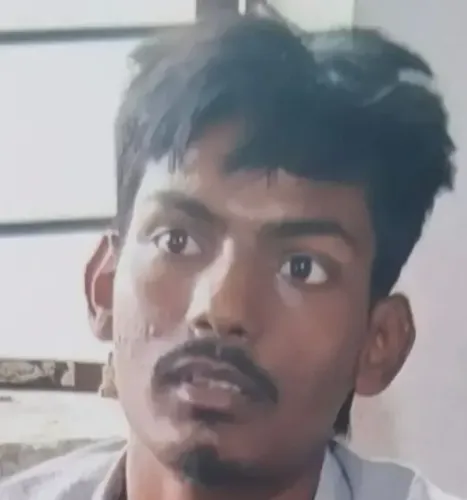
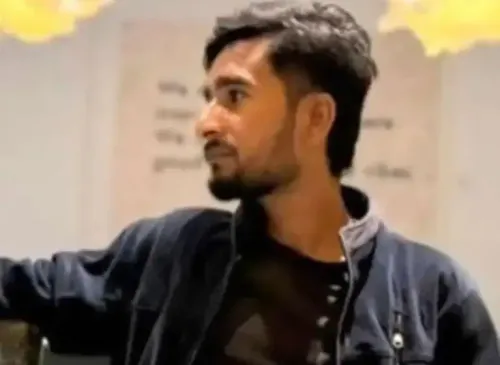
Allabakash (23) of Tumakuru and Zameer Khan (23) of Davanagere were arrested on 6 June 2025 under the UAPA .
The alleged handler, Rana Umar , is listed as a most-wanted criminal by India's national investigative agencies.
Contact reportedly spanned Instagram , X , and WhatsApp groups over approximately 20 days .
Investigators allege conversations shifted from religious messaging to discussions about retaliation and disruptive activities.
Police suspect a wider network with followers in multiple parts of India; investigation is ongoing.
The gang was busted based on a tip-off received on 4 June and confirmed intelligence from central agencies.
Two young men from Karnataka have been arrested under the Unlawful Activities (Prevention) Act (UAPA) for allegedly maintaining contact with a Pakistan-based handler identified as Rana Umar, who is listed as a most-wanted criminal by India's national investigative agencies. The arrests, made on Friday, 6 June 2025, by Tumakuru city police, followed a tip-off received on 4 June and confirmed intelligence inputs from central intelligence agencies. Investigators say the case has exposed a wider online radicalisation network with suspected followers across multiple parts of the country.
Who Was Arrested and How
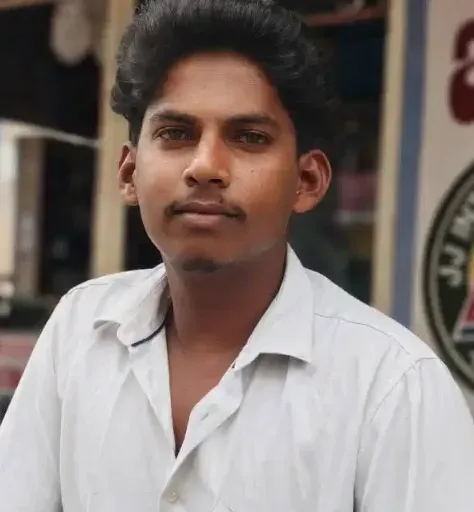
Allabakash (23), a resident of Sriramnagar, Tumakuru, and Zameer Khan (23), a mason from Davanagere, were taken into custody after police examined Allabakash's mobile phone during an interrogation at Kyathasandra police station. The device allegedly revealed prolonged communication in Hindi via Instagram with an individual identified as 'Rana Bhai'. Zameer Khan had reportedly been absconding before his arrest. A formal case was subsequently registered at Tumakuru Town Police Station.
How the Alleged Radicalisation Unfolded
According to investigators, both accused came into contact with Rana separately through Instagram approximately a month before their arrest. The communication allegedly progressed across multiple platforms — Instagram, X, and WhatsApp groups — over a span of nearly 20 days. Police say Rana initially shared messages about Islam and religious teachings, before gradually steering conversations toward narratives of community unity and retaliation. Officials allege the discussions eventually shifted to preparations for provocative and disruptive activities intended to disturb public peace.
The Handler: Rana Umar
Sources identified the Pakistan-based handler as Rana Umar, described as a most-wanted terrorist currently listed by India's national investigative agencies. According to investigators, Rana referenced the killing of a cleric in Pune and allegedly spoke about taking revenge, insisting the community 'must remain united and not spare anyone.' Police allege he was using the arrested youths to build an organised network in the region and had already introduced them to a broader circle of contacts. Authorities suspect Rana has followers in several parts of India and was attempting to form a structure for carrying out subversive activities.
What the Probe Has Revealed
Investigators say the accused were ordinary young men working in small jobs who were allegedly drawn in through what appeared to be routine religious conversations online. Police describe the process as systematic brainwashing carried out as part of a larger conspiracy. The probe has raised serious concerns about the speed at which alleged radicalisation occurred — within roughly 20 days of sustained online contact. Authorities are now working to map the full extent of the network and the nature of online coordination across WhatsApp groups and other platforms.
Investigation Ongoing
The arrests have prompted a wider probe into the network's reach, with police suspecting the existence of followers in different parts of the country. Authorities say the investigation is continuing to determine the scale of online coordination and whether other individuals were similarly approached. The case underscores growing concerns among Indian security agencies about the use of social media platforms for cross-border radicalisation attempts targeting vulnerable youth.
Point of View
X, and WhatsApp — that are difficult to monitor at scale. What is striking is the speed: investigators allege meaningful influence was established in under 20 days with two individuals who had no prior record. If Rana Umar has indeed built a wider network across India, as police suspect, the arrests represent an early node, not the full picture. The deeper question is one of systemic exposure — how many similar conversations are ongoing, and whether India's intelligence architecture can detect them before they cross from online radicalism to physical action.
NationPress
26 Oct 2026
Frequently Asked Questions
Who were arrested in the Tumakuru UAPA case?
Allabakash (23) , a resident of Sriramnagar in Tumakuru, and Zameer Khan (23) , a mason from Davanagere, were arrested on 6 June 2025 under the Unlawful Activities (Prevention) Act. Both were allegedly in contact with a Pakistan-based handler through social media platforms.
Who is Rana Umar, the alleged Pakistan-based handler?
Rana Umar is identified by investigators as a Pakistan-based most-wanted terrorist listed by India's national investigative agencies. He is alleged to have used Instagram, X, and WhatsApp to contact and influence young men in India, attempting to build a network for subversive activities.
How did the alleged radicalisation take place?
According to police, contact began through Instagram roughly a month before the arrests, with conversations initially centred on religious topics. Over approximately 20 days, the discussions allegedly shifted toward narratives of retaliation and preparations for disruptive activities, conducted across Instagram, X, and WhatsApp groups.
What charges have been filed and under which law?
The case has been registered at Tumakuru Town Police Station under the Unlawful Activities (Prevention) Act (UAPA), which is applied to offences involving activities considered prejudicial to India's national security and sovereignty.
Is the investigation still ongoing?
Yes. Authorities have stated the probe is continuing to determine the full extent of the network and the nature of online coordination. Police suspect Rana Umar has followers in several parts of India and had introduced the arrested youths to a wider circle of contacts.