Pakistan handler told Karnataka UAPA arrests to recruit 50-60 members, probe reveals
Synopsis
A Pakistan-based handler named Rana didn't just radicalise two Karnataka youths — he allegedly gave them a blueprint: recruit 50 to 60 members, train them, and expect unlimited funding. The Karnataka UAPA case is now probing whether this was one node in a nationwide network, with digital evidence from phones and social media accounts being mapped to trace the full chain.
Key Takeaways
Pakistan-based handler Rana allegedly instructed two arrested Karnataka youths to recruit 50 to 60 members and promised unlimited financial support.
Arrested under UAPA : Allabakash (23) from Tumakuru and Zameer Khan (23) from Davanagere .
Radicalisation allegedly began on Instagram , progressed to X and WhatsApp , spanning nearly 20 days of continuous contact.
Rana allegedly referenced the killing of a cleric in Pune to emotionally influence the accused and incite retaliation.
Central intelligence inputs triggered the joint operation; digital evidence from phones and social media is under examination.
Investigators are probing whether similar recruitment attempts were made in other parts of India .
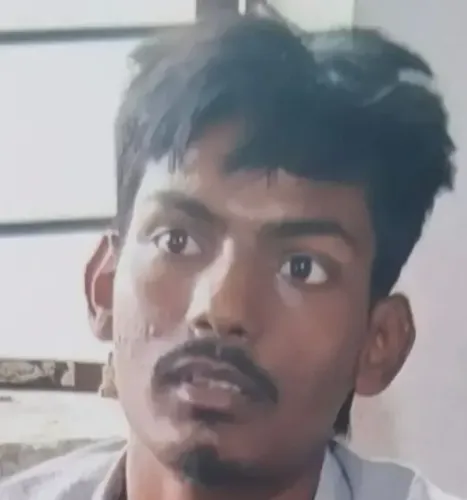
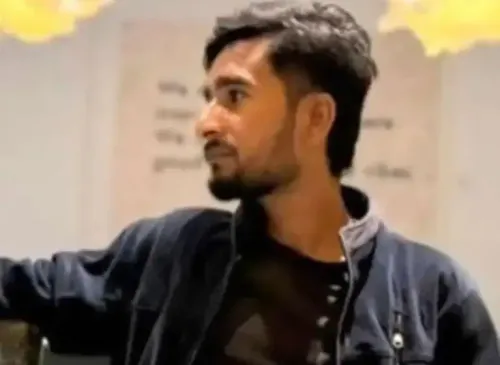
Karnataka Police's investigation into an alleged terror-linked social media network has revealed that a Pakistan-based handler identified as Rana had instructed two arrested youths in Tumakuru to build a group of 50 to 60 members and promised unlimited financial support for their activities, officials said on Monday, 8 June. The two accused — Allabakash (23) from Tumakuru and Zameer Khan (23) from Davanagere — were arrested under the Unlawful Activities (Prevention) Act (UAPA) following a joint operation triggered by central intelligence inputs.
How the Radicalisation Allegedly Unfolded
According to investigators, Rana allegedly made contact with the accused separately through Instagram approximately a month before their arrest. The communication later shifted to X (formerly Twitter) and eventually a WhatsApp group, with the two accused reportedly in continuous contact with the handler for nearly 20 days.
Investigators said the conversations began with religious content — messages about Islam and the teachings of the Prophet — before gradually escalating into provocative narratives around community grievances, unity, and retaliation. Police allege that Rana referenced the killing of a cleric in Pune to emotionally influence the accused, spoke about taking revenge, and insisted that the community 'must remain united and not spare anyone.'
Instructions to Expand the Network
The probe has established that Rana allegedly directed the accused to recruit 50 to 60 individuals and train them according to his instructions, with assurances of unlimited financial backing. Police are treating this instruction as a key development, suggesting the handler's broader objective was to build an organised, operationally capable network within India by targeting socially connected young men susceptible to online influence.
Investigators further allege that Rana introduced the accused to other contacts within his wider network and encouraged group-based coordination — indicating the operation may not have been limited to Karnataka.
Role of Central Intelligence and the Arrests
Officials confirmed that central intelligence inputs were critical in alerting Karnataka Police, following which a joint operation was launched. One of the accused had reportedly been absconding before being apprehended. Both men were described by police as ordinary young men engaged in small jobs at the time of their contact with the handler.
Digital evidence recovered from the accused's mobile phones and social media accounts is now being examined to map the full extent of the communication chain and identify any additional individuals who may have been targeted or recruited.
Scope of the Ongoing Investigation
The probe has widened significantly, with authorities working to determine whether the alleged plan to form a 50-60 member group was part of a larger, coordinated effort and whether similar recruitment attempts were made in other parts of the country. Police sources indicated that Rana is suspected of having followers in multiple states, and the investigation is examining whether the Karnataka network was one node in a broader structure.
The case represents one of the more detailed UAPA investigations in Karnataka in recent months, and its outcome is expected to inform how central and state agencies assess cross-border social media radicalisation going forward.
Point of View
X for escalation, WhatsApp for operational coordination. What makes this probe significant is the alleged instruction to build a 50-60 member cell with financial backing, which suggests a structured recruitment model rather than opportunistic online influence. Karnataka Police have so far named two accused, but the handler's alleged multi-state reach means the real question is how many similar nodes exist and whether central agencies have mapped them. The UAPA framework gives investigators wide powers, but convictions under it have historically been slow — the evidentiary value of the digital trail recovered here will be the real test of this case.
NationPress
23 Oct 2026
Frequently Asked Questions
Who are the two youths arrested in the Karnataka UAPA case?
The two arrested individuals are Allabakash (23) from Tumakuru and Zameer Khan (23) from Davanagere, both arrested under the Unlawful Activities (Prevention) Act (UAPA) for alleged links with a Pakistan-based handler through social media platforms.
Who is the Pakistan-based handler named in the Karnataka probe?
The handler has been identified as Rana , a Pakistan-based individual who allegedly contacted the accused through Instagram and later communicated via X and WhatsApp. Investigators allege he radicalised the youths and directed them to build a larger network in India.
What did the handler allegedly instruct the arrested youths to do?
According to police, Rana allegedly instructed the accused to recruit 50 to 60 individuals , train them as per his directions, and promised unlimited financial support for their activities. This instruction is being treated as a key development in the ongoing investigation.
How did the Karnataka Police come to know about this network?
Officials said central intelligence inputs played a crucial role in alerting Karnataka Police, following which a joint operation was conducted and the two suspects were arrested. One of the accused had reportedly been absconding before being apprehended.
Is the investigation limited to Karnataka?
No. Investigators are examining whether similar recruitment attempts were made in other parts of the country, and police suspect that Rana has followers in several states. Digital evidence from the accused's phones and social media accounts is being analysed to trace the full extent of the network.