Bihar CM Office Calls for Global Branding of State's Products and Heritage
Synopsis
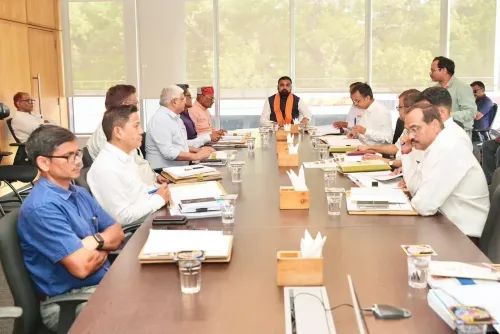
The Chief Minister's Office of Bihar has appealed to state officials to actively champion the global branding of Bihar's products and carry its cultural heritage to the world, signalling an institutionally-driven push beyond occasional cultural festivals.
Key Takeaways
The Chief Minister's Office of Bihar made a public appeal on October 22, 2026 to state officials for active involvement in global branding efforts.
The appeal covers both Bihar's commercial products and its cultural heritage , framing them as inseparable pillars of the outreach.
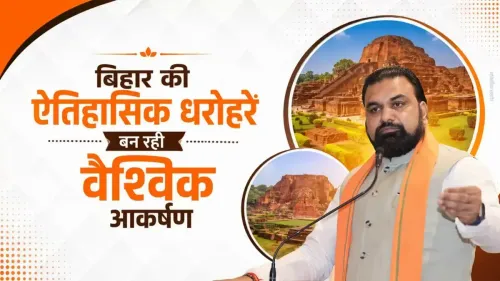
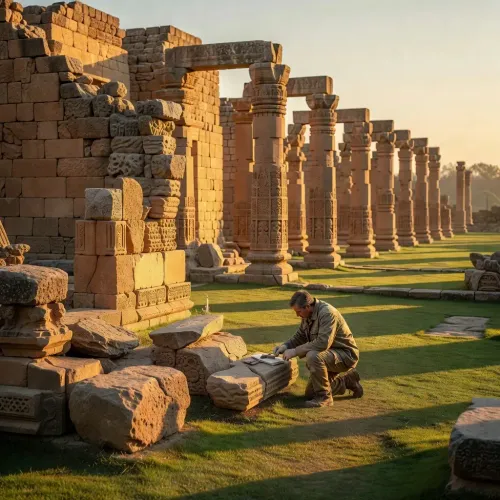
Bihar holds globally significant heritage sites — including Bodh Gaya, Nalanda, and Rajgir — and craft traditions such as Madhubani painting and Bhagalpur silk.
Involving government officers directly in branding missions signals an institutional approach rather than ad hoc promotional events.
Local artisans and small producers are the principal beneficiaries if the global marketing drive gains traction.
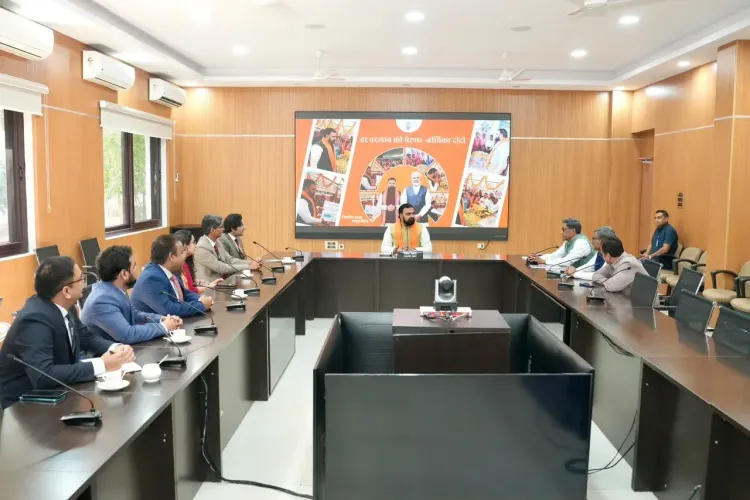
Bihar's cultural soul and artisanal wealth have long deserved a bigger stage — and now the state's top office is pushing officials to build one. The Chief Minister's Office of Bihar shared on Thursday, October 22, 2026 that a senior appeal was made to government officers to actively contribute to the global branding of Bihar's products and to carry the state's rich cultural heritage to the world.
The post, shared from the official CMO Bihar handle, relayed the appeal in clear terms: 'उन्होंने बिहार के उत्पादों की वैश्विक ब्रांडिंग और राज्य की सांस्कृतिक विरासत को दुनिया तक पहुँचाने के लिए अधिकारियों से सक्रिय योगदान देने की अपील की' — ['A call was made to officials to actively contribute to the global branding of Bihar's products and to take the state's cultural heritage to the world.']Bihar's Products and Heritage: What's at Stake
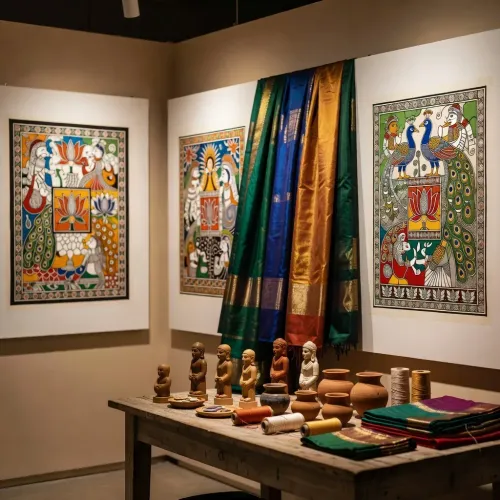
Bihar is home to some of India's most storied craft traditions — from Madhubani painting and Sikki grass art to Bhagalpur silk and Mithila artefacts, many of which carry Geographical Indication tags. The state also holds ancient Buddhist and Hindu pilgrimage circuits that draw visitors from across the globe, including Bodh Gaya, Nalanda, and Rajgir. Yet, relative to its cultural depth, Bihar has historically punched below its weight in international brand recognition.
Indian states have increasingly used international exhibitions, GI-tag promotion drives, and diaspora outreach to put regional products on the global map. The appeal to officers signals that Bihar's government wants this effort to be institutionally driven — not left to occasional cultural festivals alone — with civil servants playing an active, evangelising role.
Why Bureaucratic Buy-In Matters for Brand Bihar
Directing state officials rather than only dedicated marketing bodies to champion these causes is a strategic signal. When senior administrators carry the branding mandate into international meetings, trade forums, and inter-governmental exchanges, the message lands with institutional weight. Local artisans and small producers — who rarely have the resources for global outreach themselves — stand to benefit most directly from this kind of top-down advocacy.
The real test, as always, will be in the follow-through: specific campaigns assigned, budgets allocated, and measurable targets set for how Bihar's identity travels beyond its borders.
Frequently Asked Questions
What did Bihar's Chief Minister's Office announce on October 22 2026?
The CMO Bihar shared an appeal calling on state government officials to actively contribute to the global branding of Bihar's products and to promote the state's cultural heritage internationally.
Which Bihar products and crafts could benefit from global branding?
Bihar's Geographical Indication-tagged crafts such as Madhubani painting, Sikki art, Bhagalpur silk, and Mithila artefacts are among the key products that could gain international visibility through such an initiative.
Why is Bihar's cultural heritage significant globally?
Bihar is home to world-renowned sites including Bodh Gaya, the Nalanda ruins, and Rajgir, which attract pilgrims and scholars from across the globe, making it a major potential destination for cultural and heritage tourism.
Why are government officers being asked to lead Bihar's branding push?
Involving civil servants directly gives the branding mandate institutional weight, ensuring it is carried into official forums and inter-governmental exchanges rather than relying solely on dedicated marketing agencies or seasonal festivals.
How do Indian states typically promote regional products internationally?
State governments have used international trade exhibitions, GI tag campaigns, diaspora engagement events, and tourism roadshows to promote regional products and heritage, often in coordination with central bodies like the Ministry of Commerce.