CM Bihar Office Highlights State Culture on National Stage
Synopsis
The Chief Minister's Office of Bihar shared a statement on 31 May 2026 asserting that Bihar's rich cultural heritage, local products, and issues of everyday life receiving mention on a national platform is a source of pride and honour for the state's residents.
Key Takeaways
The Chief Minister's Office of Bihar posted on 31 May 2026 quoting a statement about Bihar's cultural heritage being highlighted on a national platform.
The statement calls the national-level mention of Bihar's cultural heritage, local products, and everyday life a matter of 'pride and honour' for residents.
Bihar Diwas , held annually since 2010 , has been a key vehicle for showcasing the state's heritage and artisanal products nationally.
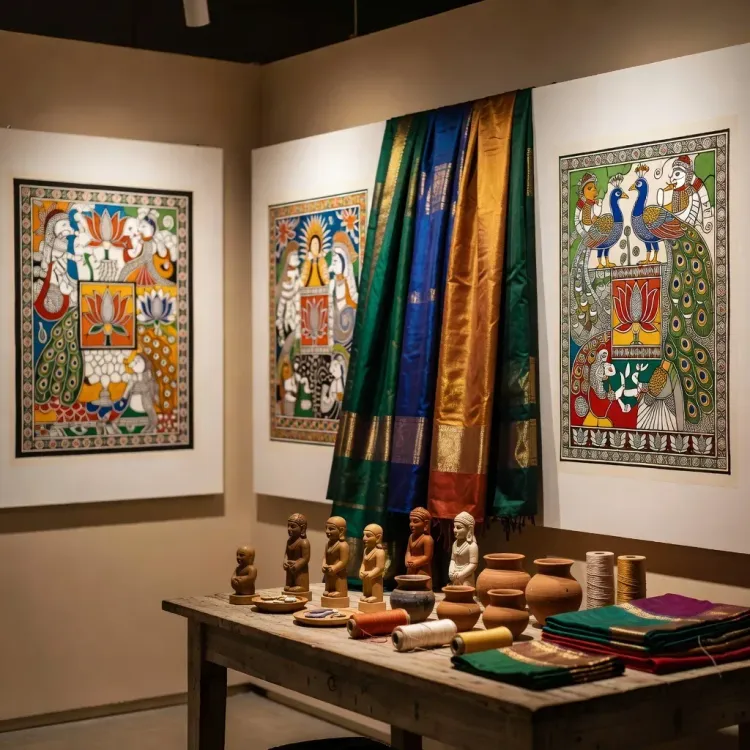
Bihar secured GI tags for products including Madhubani paintings , Bhagalpur silk , and Sikki craft , with campaigns intensified from 2017–18 .
Key stakeholders include local artisans , the Bihari diaspora , and the tourism sector , all of whom benefit from greater national visibility.
The post fits Bihar's broader strategy of competitive federalism — using cultural assets to attract investment and tourism.
The Chief Minister's Office of Bihar shared a statement on Sunday, 31 May 2026, emphasising that the mention of Bihar's rich cultural heritage, local products, and issues connected to everyday life on a national platform is a matter of pride and honour for the people of the state.
Context
The post quotes a speaker — whose identity could not be independently confirmed — as saying: 'Bihar ki samridh sanskritik virasat, sthaniya utpadon tatha janjeevan se jude vishyon ka rashtriya manch par ullekh rajyawasiyon ke liye garv aur samman ka vishay hai' ('The mention of Bihar's rich cultural heritage, local products, and matters connected to the lives of ordinary people on a national platform is a source of pride and honour for the residents of the state.')
The statement underscores a consistent theme in Bihar's public communication: positioning the state's cultural identity as deserving wider national recognition. No specific national platform or event was identified in the post.
Policy Backdrop
Bihar has systematically worked to raise the profile of its cultural assets over the past two decades. The annual Bihar Diwas celebrations, held since 2010, have served as a recurring national showcase for the state's heritage, folk traditions, and artisanal products.
The state government intensified efforts to secure Geographical Indication (GI) tags for regional crafts and foods from 2017–18 onwards, covering items such as Madhubani paintings, Bhagalpur silk, and Sikki craft. These registrations are designed to extend the commercial and cultural reach of Bihar's products beyond state borders.
Chief Minister Nitish Kumar, who has led the state since 2005 (with brief interruptions), has repeatedly invoked the legacy of ancient centres of learning such as Nalanda to frame Bihar as a civilisational contributor to India's national identity.
Stakeholders and Impact
The primary beneficiaries of Bihar's cultural branding on national platforms are local artisans and craftspeople, whose livelihoods depend on demand generated beyond the state. Greater visibility can translate into higher sales, government procurement orders, and export interest.
The Bihari diaspora — spread across major Indian cities and abroad — also has a direct stake in the state's cultural recognition, as it reinforces a sense of shared identity. The tourism sector stands to gain as national exposure of heritage sites and living traditions can drive visitor footfall to destinations such as Bodh Gaya, Rajgir, and Vaishali.
More broadly, Bihar's effort fits a pattern of competitive federalism in which Indian states use cultural projection to attract investment, tourism, and political goodwill at the national level.
What's Next
Observers will watch whether this statement is followed by concrete announcements — such as increased budget allocations for the culture and tourism departments or confirmed participation in national events like Republic Day tableaux or trade-and-craft fairs.
Any formal identification of the national platform referenced in the quoted remark would clarify the immediate context. The broader trajectory of Bihar's cultural diplomacy suggests continued investment in GI-tag promotion and heritage tourism as twin levers of the state's economic branding strategy.
Point of View
The messaging deliberately bridges symbolic pride with economic interest, targeting both the diaspora vote and artisan constituencies. The vagueness around the specific national platform is notable: it allows the statement to function as a general affirmation of Bihar's worth rather than a response to a single event. If backed by budget commitments in the coming fiscal cycle, this rhetoric could translate into measurable policy momentum for the culture and tourism sectors.
NationPress
14 Oct 2026
Frequently Asked Questions
What did the Bihar CM Office say about Bihar's cultural heritage?
The Bihar CM Office shared a statement on 31 May 2026 saying that the mention of Bihar's rich cultural heritage, local products, and matters related to everyday life on a national platform is a source of pride and honour for the people of the state.
Which Bihar products have GI tags?
Bihar's GI-tagged products include Madhubani paintings, Bhagalpur silk, and Sikki craft, among others. The state government intensified GI registration campaigns from 2017–18 to increase their national and international visibility.
What is Bihar Diwas and how does it promote the state's culture?
Bihar Diwas is an annual celebration held since 2010 that the state government uses to showcase Bihar's cultural heritage, folk arts, and local products on a national stage, helping raise the state's profile among investors, tourists, and the diaspora.
Who is the Chief Minister of Bihar?
Nitish Kumar has served as Chief Minister of Bihar since 2005, with brief interruptions. He has consistently highlighted the state's ancient heritage — including the legacy of Nalanda — as central to Bihar's identity.
How does Bihar use culture to attract tourism and investment?
Bihar promotes GI-tagged crafts, folk arts, and heritage sites such as Bodh Gaya, Rajgir, and Vaishali through national events and government campaigns. This cultural branding is part of a broader competitive federalism strategy to draw tourists, investors, and policy attention to the state.