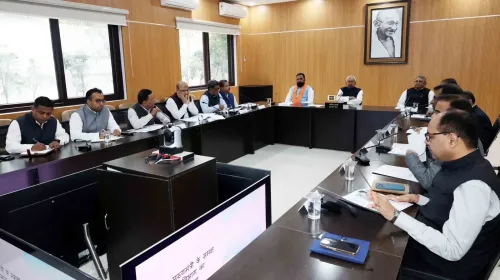
Bihar CM Office Eyes Industry & Tech Identity in 5 Years
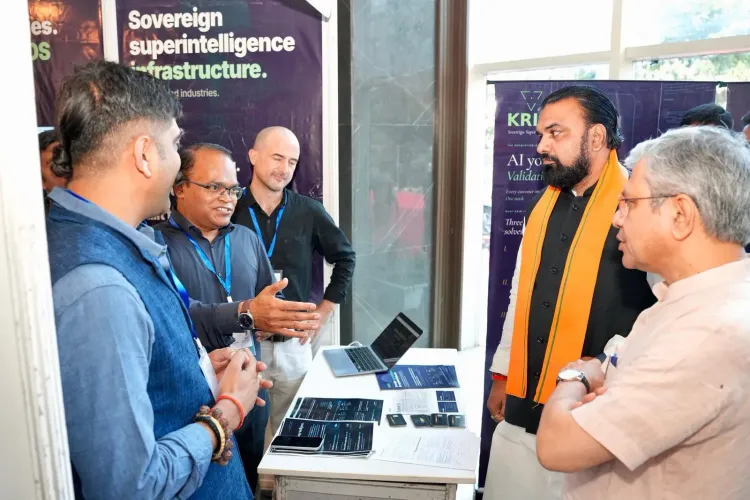
Synopsis
The Chief Minister's Office of Bihar declared on 19 June 2026 that the state aims to establish a new identity in industry, innovation, and technology within five years, signalling a strategic shift from Bihar's agrarian roots toward industrial and tech-driven growth.
Key Takeaways
The Chief Minister's Office of Bihar posted on 19 June 2026 expressing confidence in Bihar's industrial and technological transformation over the next five years .
The statement signals a continued pivot from Bihar's traditionally agrarian economy toward industry, innovation, and technology .
Bihar's Industrial Investment Promotion Policy , notified in 2016 , laid earlier groundwork for manufacturing and IT incentives.
Chief Minister Nitish Kumar has steered multiple terms of industrial policy evolution since 2005 , progressively expanding economic targets.
National schemes such as Startup India and PLI provide a supportive federal policy environment for Bihar's ambitions.
Key stakeholders include tech startups , manufacturing firms , and Bihar's youth , who stand to benefit most if investment materialises.
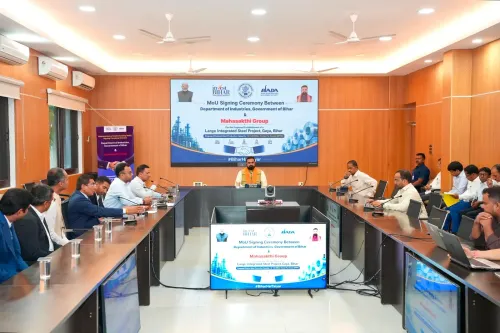
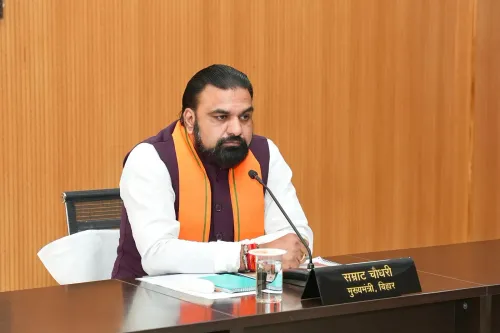
The Chief Minister's Office of Bihar shared a statement on Friday, 19 June 2026, expressing confidence that the state will carve out a new and powerful identity in industry, innovation, and technology over the next five years. The post, attributed to an official address, signals a forward-looking economic ambition for one of India's most populous states.
Context
The statement, originally in Hindi, reads: 'unhonne vishwas vyakt kiya ki aane waale paanch varshon mein Bihar udyog, navachar aur praudyogiki ke kshetra mein apni ek nayi aur sashakt pahchaan sthapit karega' — 'He expressed confidence that in the coming five years, Bihar will establish a new and powerful identity in the fields of industry, innovation, and technology.' The five-year horizon is significant, aligning with the typical cycle of state industrial policy revisions and budget commitments.
The remark underscores a deliberate pivot in Bihar's development narrative — from a state historically defined by agrarian output and infrastructure gaps to one actively courting industrial and technology investment.
Policy Backdrop
Bihar has been pursuing successive industrial policies aimed at broadening its economic base. As far back as 2016, the state government notified the Industrial Investment Promotion Policy, offering incentives for manufacturing and IT units to set up operations in the state.
Under Chief Minister Nitish Kumar, who has led the state across multiple terms since 2005, the administration has progressively shifted focus from roads, power, and education toward explicit targets for industry and innovation. This trajectory mirrors that of other eastern Indian states seeking to attract investment away from traditionally dominant western and southern industrial corridors.
National frameworks such as Startup India and Production-Linked Incentive (PLI) schemes have created a policy environment that state governments are adapting to their own investment pitches, and Bihar's renewed emphasis on technology and innovation fits squarely within this pattern.
Stakeholders and Impact
The groups most directly affected by Bihar's industrial ambitions include tech startups, manufacturing firms, and the state's large youth population, which has historically sought employment opportunities outside Bihar. A credible industrial policy shift could alter internal and external migration patterns if sustained investment materialises.
For investors, the five-year commitment language signals policy continuity — a key concern for capital-intensive manufacturing and IT park projects that require long planning horizons. The state's relatively low land and labour costs remain potential competitive advantages if governance and infrastructure benchmarks are met.
What's Next
Observers will watch for Bihar's next formal industrial policy revision or investor summit, as well as any new budget allocations for IT parks or startup funds in forthcoming assembly sessions. The credibility of the five-year vision will ultimately be tested by the scale and speed of on-ground investment commitments.
If Bihar can translate the stated confidence into measurable industrial output and job creation, it would represent a significant structural shift for one of India's largest states by population — with implications for the broader eastern India growth story.
Point of View
Where federal incentives are creating new competitive dynamics. The language of 'identity' — rather than mere targets — suggests the communication is aimed as much at investor perception as at policy commitment. For Chief Minister Nitish Kumar, whose legacy has rested heavily on law-and-order and infrastructure gains, a credible industrial pivot would mark a significant new chapter. The real test will come at the next investor summit or budget session, where allocations will either substantiate or undercut the rhetoric.
NationPress
19 Sept 2026
Frequently Asked Questions
What did the Bihar Chief Minister's Office say about industry and technology?
The Chief Minister's Office of Bihar expressed confidence that the state will establish a new and powerful identity in industry, innovation, and technology within the next five years, as stated in a post on 19 June 2026.
What is Bihar's industrial policy history?
Bihar notified its Industrial Investment Promotion Policy in 2016, offering incentives for manufacturing and IT units. The state has since pursued successive policies under Chief Minister Nitish Kumar to diversify beyond its agrarian base.
How does Bihar plan to attract technology and manufacturing investment?
Bihar is leveraging national frameworks like Startup India and PLI schemes alongside state-level incentives, with a focus on competitive land and labour costs and improving governance and infrastructure benchmarks.
Who benefits from Bihar's push for industry and innovation?
Tech startups, manufacturing firms, and Bihar's large youth population stand to benefit most, as successful industrial growth could reduce out-migration by creating local employment opportunities.
What should we watch for next in Bihar's economic development?
Key signals will include Bihar's next industrial policy revision, any upcoming investor summits, and budget allocations for IT parks or startup funds in forthcoming state assembly sessions.