NIA chargesheets Gujarat man for JeM links and online radicalisation network
Synopsis
The NIA has chargesheeted a Gujarat man named Faijan for allegedly running an online radicalisation operation linked to Pakistan-based Jaish-e-Mohammed operatives — planning targeted killings, illegally procuring weapons, and pushing for Kashmir's secession via Instagram. It is the second such Gujarat-origin radicalisation case the agency has pursued this year, pointing to a deepening network of cross-border online handlers.
Key Takeaways
The NIA filed a chargesheet on 23 July before the NIA Special Court, Ahmedabad against accused Faijan in a Gujarat-based online radicalisation case.
Faijan is alleged to have been in contact with a Pakistan-based JeM operative and to have planned targeted killings to create communal tension.
He allegedly procured a firearm and six live cartridges illegally from Uttar Pradesh ; the weapon was seized during the investigation.
Extremist content was allegedly disseminated via his Instagram account 'al.Faijangaza' ; forensic evidence was recovered from his digital devices.
The NIA took over the case from the Gujarat ATS in March 2025 and re-registered it at its Ahmedabad branch.
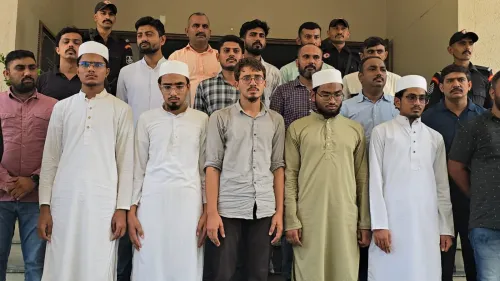
This is the second Gujarat radicalisation case chargesheeted by the NIA this year — the earlier one involved five accused linked to AQIS propaganda.
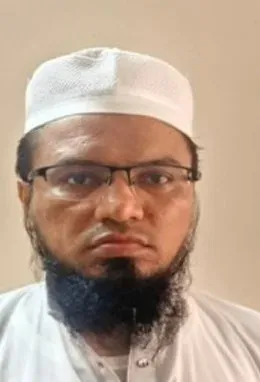
The National Investigation Agency (NIA) has filed a chargesheet against the prime accused in a Gujarat-based online terror radicalisation case, alleging that he conspired to promote violent jihad, planned targeted killings, and worked to engineer the secession of Jammu and Kashmir and Ladakh from India. The chargesheet was filed on 23 July before the NIA Special Court in Ahmedabad against the accused, identified as Faijan.
Charges and Legal Provisions
The NIA filed the chargesheet invoking relevant provisions of the Unlawful Activities (Prevention) Act (UAPA), the Bharatiya Nyaya Sanhita (BNS), and the Arms Act. The case was originally registered by the Gujarat Anti-Terrorism Squad (ATS) following Faijan's arrest on the basis of what the agency described as reliable intelligence inputs. The NIA took over the investigation from the ATS in March 2025 and re-registered it as a case at its Ahmedabad branch.
What the NIA Alleged
According to the agency, the investigation established that Faijan had remained in contact with a Pakistan-based operative of the banned terrorist organisation Jaish-e-Mohammed (JeM) as part of the alleged conspiracy. He was allegedly acting on the directions of an online handler and had been radicalising vulnerable youths by offering incentives to support violent jihad and armed rebellion.
The NIA further alleged that Faijan had planned targeted killings with the objective of creating communal tension and spreading, in the agency's words, 'mayhem and disaffection against India.' For this purpose, he allegedly procured a firearm and six live cartridges illegally from Uttar Pradesh without a valid licence — the weapon was subsequently seized during the investigation.
Digital Evidence and Social Media Trail
Investigators allege that Faijan used social media to disseminate extremist content, uploading videos promoting violence through his Instagram account identified as 'al.Faijangaza'. Forensic examination of his digital devices, according to the NIA, led to the recovery of several incriminating videos and photographs that form part of the evidence cited in the chargesheet.
Broader Pattern of Gujarat Radicalisation Cases
The NIA noted that its investigation is continuing to identify other alleged members of the conspiracy, including the Pakistan-based handler said to have directed Faijan's activities. This case forms part of a series of NIA probes into alleged online radicalisation networks in Gujarat. Earlier this year, the agency chargesheeted five accused in a separate case involving the dissemination of Al-Qaeda in the Indian Subcontinent (AQIS) propaganda through social media, alleging that the group sought to radicalise youths and encourage armed revolt against the Indian state. That investigation was also taken over from the Gujarat ATS after digital evidence and weapons were recovered during the probe.
Notably, both cases point to a pattern of online handlers — allegedly operating from outside India — using social media platforms to recruit and radicalise individuals within Gujarat, raising questions about the scale of the network and the number of individuals yet to be identified.
Point of View
One to AQIS — suggest a pattern that goes beyond isolated radicalisation. The common thread is a cross-border online handler model, where Pakistan-based operatives allegedly direct ground-level actors through social media without ever entering India. What the chargesheets do not yet answer is the full scope of the network: the NIA itself says the investigation is continuing. The use of Instagram as a radicalisation conduit also raises a platform accountability question that neither the government nor regulators have publicly addressed in this context.
NationPress
22 Oct 2026
Frequently Asked Questions
Who is Faijan and what has the NIA alleged against him?
Faijan is the prime accused in a Gujarat-based online terror radicalisation case. The NIA has alleged that he conspired to promote violent jihad, planned targeted killings to create communal tension, illegally procured a firearm from Uttar Pradesh, and worked toward the secession of Jammu and Kashmir and Ladakh from India, allegedly while acting on directions from a Pakistan-based JeM operative.
Under which laws has the NIA filed the chargesheet?
The chargesheet has been filed under relevant provisions of the Unlawful Activities (Prevention) Act (UAPA), the Bharatiya Nyaya Sanhita (BNS), and the Arms Act before the NIA Special Court in Ahmedabad.
How did the NIA get involved in this case?
The case was originally registered by the Gujarat Anti-Terrorism Squad (ATS) after Faijan's arrest based on intelligence inputs. The NIA took over the investigation in March 2025 and re-registered it as a case at its Ahmedabad branch.
What digital evidence did the NIA recover?
Forensic examination of Faijan's digital devices led to the recovery of incriminating videos and photographs. He is also alleged to have uploaded videos promoting violence on his Instagram account identified as 'al.Faijangaza'.
Is this the first such Gujarat radicalisation case the NIA has pursued?
No. Earlier this year, the NIA also chargesheeted five accused in a separate Gujarat case involving dissemination of Al-Qaeda in the Indian Subcontinent (AQIS) propaganda through social media, with the aim of radicalising youths and encouraging armed revolt against the Indian state.