Bihar CM meets IFS officers to push global tourism, product brand
Synopsis
Chief Minister Samrat Choudhary met Indian Foreign Service officers of Bihar origin at Patna's Lok Sevak Aawas on October 22, 2026, to strategise on leveraging diplomatic networks for Bihar's tourism growth and international product recognition.
Key Takeaways
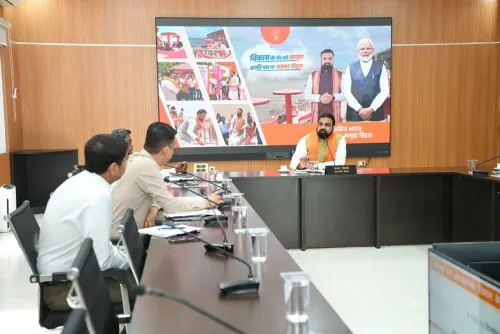
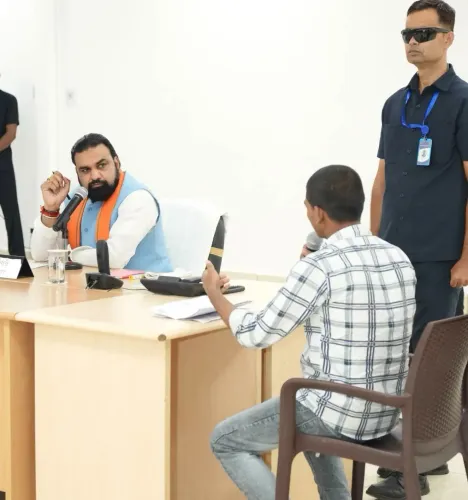
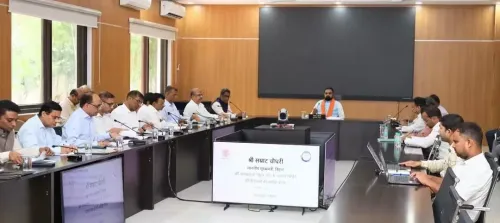
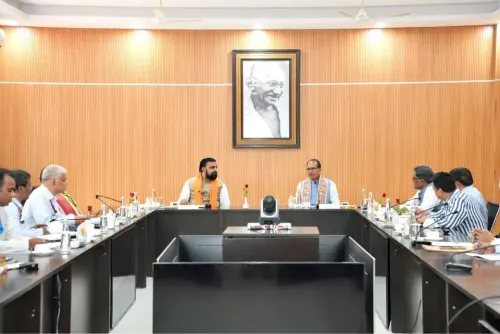
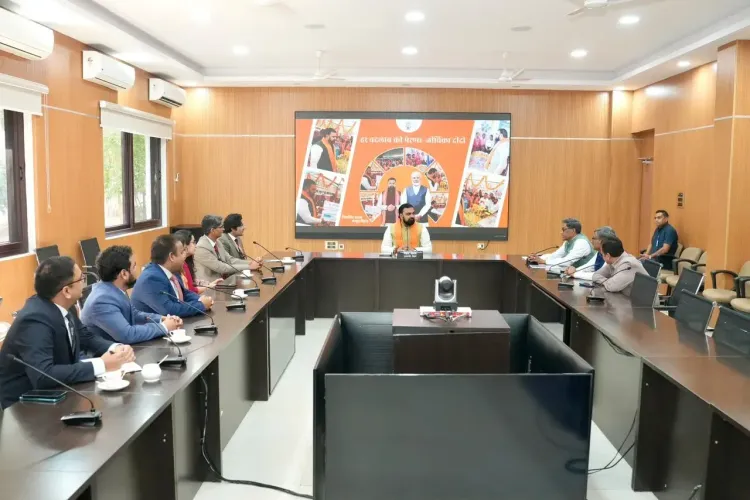
Chief Minister Samrat Choudhary convened a meeting with IFS officers of Bihar origin at the 'Sankalp' auditorium, Lok Sevak Aawas, Patna on October 22, 2026 .
Discussions focused on Bihar's development, tourism sector growth, and global branding of Bihar-origin products .
The engagement taps the diplomatic reach of Bihar-origin officers posted at Indian missions worldwide.
Bihar's tourism assets — including Bodh Gaya, Nalanda, Rajgir, and Vaishali — position the state as a strong candidate for coordinated international promotion.
No specific outcomes or follow-up campaigns have been announced yet; the meeting marks an opening of the strategic conversation.
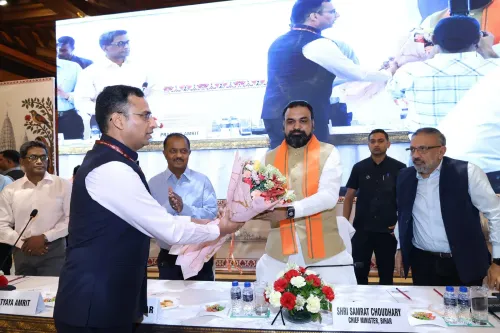
Diplomacy usually flows outward from the capital — but on Thursday, October 22, 2026, Bihar turned that circuit around. The Chief Minister's Office of Bihar announced that Chief Minister Samrat Choudhary hosted a delegation of Indian Foreign Service officers of Bihar origin at the 'Sankalp' Sabha Gar ('Sankalp' auditorium) inside Lok Sevak Aawas, the official residence in Patna — putting Bihar's development agenda directly in front of the country's diplomatic corps.
What the 'Sankalp' meeting was about
The post states that discussions centred on three interlocked goals: Bihar's overall development, the growth of its tourism sector, and securing global recognition for products originating from the state. The choice of venue — 'Sankalp', meaning 'resolve' or 'pledge' — carries a quiet symbolism: a room named for commitment, used to map an international strategy.
The participating officers are members of India's Indian Foreign Service, the elite cadre that staffs the country's embassies, high commissions, and multilateral missions worldwide. By gathering those who trace their roots to Bihar, the state government taps into a ready-made global network of goodwill and institutional access.
Bihar's play for a global footprint
The meeting fits a well-established pattern across Indian states: periodically convening native IFS officers to align diplomatic bandwidth with regional economic goals. The logic is straightforward — an officer posted in, say, Tokyo, Nairobi, or Brussels carries a natural credibility and emotional stake when pitching Bihar's Madhubani textiles, organic makhana, or Buddhist circuit tourism to foreign counterparts and investors.
Bihar's tourism sector holds singular potential: the state is home to Bodh Gaya, one of the most visited Buddhist pilgrimage sites on the planet, along with Rajgir, Nalanda, and Vaishali — names that resonate deeply across Southeast and East Asia. Matching that heritage with coordinated diplomatic promotion has long been seen as an underexploited lever.
Local product exporters stand equally in focus. Bihar produces a range of agricultural and artisanal goods that remain under-marketed internationally. Routing awareness through diplomatic channels — trade fairs, cultural events, bilateral trade meetings — can open doors that a standalone export push struggles to.
What follows from Patna's outreach
Concrete outcomes from Thursday's meeting have not yet been announced. What to watch for: the emergence of specific international tourism campaigns, bilateral marketing tie-ups for Bihar-origin products, or a formal mechanism to keep this channel of Bihar-diplomat engagement alive beyond a single sitting. The conversation has been opened; the deliverables will tell the real story.
For a state that has historically punched below its weight on the global stage despite extraordinary cultural and historical assets, a room full of diplomats who call Bihar home may be the most cost-effective outreach tool the government has.
Point of View
The gap between its historical and cultural capital — Buddhism's global pull, ancient Nalanda's brand equity — and its actual tourism receipts and export revenues represents a tractable policy problem that diplomatic networks could help close. The meeting signals that the state is thinking beyond domestic schemes and looking to compete on an international stage. Whether it converts a room of willing officers into a structured, outcomes-driven mechanism will determine if this becomes a model or a photo opportunity.
NationPress
23 Oct 2026
Frequently Asked Questions
Why did Bihar CM Samrat Choudhary meet IFS officers?
Chief Minister Samrat Choudhary met Indian Foreign Service officers of Bihar origin to discuss using diplomatic channels to promote Bihar's development, boost its tourism sector, and secure international recognition for products made in the state.
Where was the Bihar CM's meeting with IFS officers held?
The meeting was held at the 'Sankalp' auditorium inside Lok Sevak Aawas, the official Chief Minister's residence in Patna, Bihar, on October 22, 2026.
How can IFS officers help promote Bihar tourism?
IFS officers posted at Indian embassies and high commissions worldwide can pitch Bihar's heritage sites — such as Bodh Gaya, Nalanda, and Rajgir — to foreign governments, travel industries, and cultural institutions, creating awareness and driving international visitor interest.
What products from Bihar could gain global recognition?
Bihar is known for exports including organic makhana (fox nuts), Madhubani textiles, and various agricultural goods. International promotion through diplomatic channels could help these products reach overseas markets and trade platforms.
Is it common for Indian states to meet their native IFS officers?
Yes, several Indian states periodically convene meetings with Indian Foreign Service officers from their region to align diplomatic resources with state-specific goals like tourism promotion, trade facilitation, and cultural branding abroad.