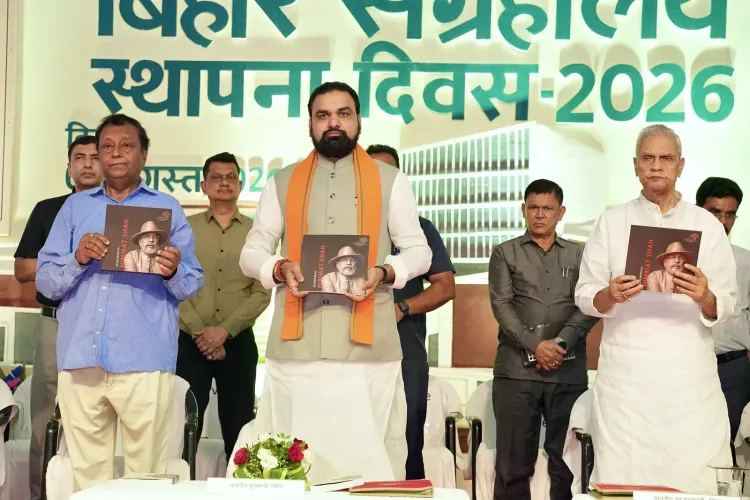
CM Samrat Choudhary Marks Bihar Museum Foundation Day
Synopsis
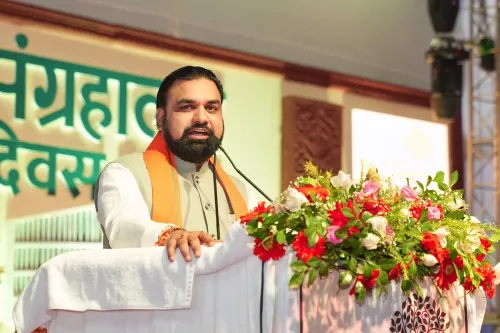
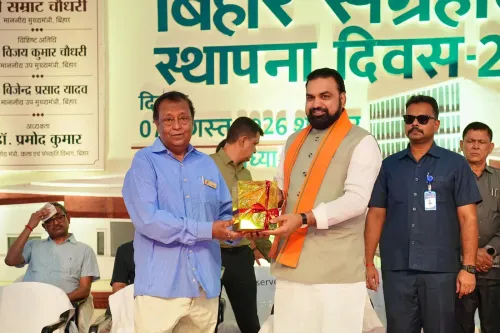
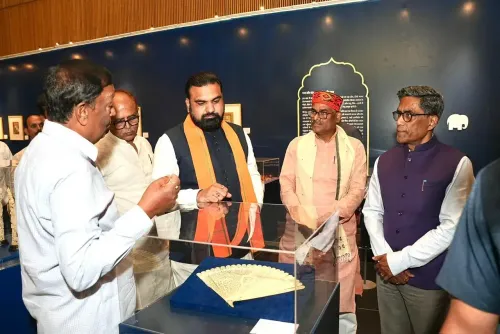
Bihar Chief Minister Samrat Choudhary addressed the Bihar Museum Foundation Day ceremony in Patna on August 7, 2026, calling the institution a powerful symbol of the state's historical and archaeological heritage and urging citizens to strengthen their commitment to cultural preservation.
Key Takeaways
Bihar CM Samrat Choudhary addressed the Bihar Museum Foundation Day inauguration in Patna on August 7, 2026 .
He described the museum as 'a powerful symbol of Bihar's rich historical, cultural and archaeological heritage.' The Bihar Museum opened its main facilities in 2018 to showcase the region's Mauryan and Gupta-era legacy.
Choudhary linked the occasion to the national vision of Viksit Bharat and a prosperous Bihar ( Samridh Bihar ).
He called for a renewed collective resolve on heritage preservation, promotion and wider public dissemination.
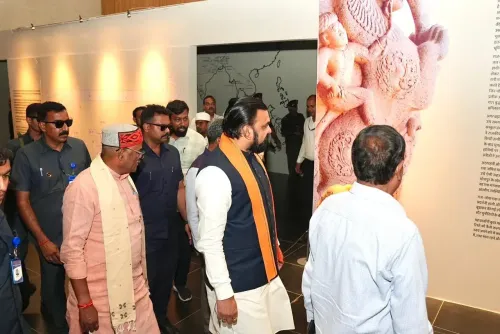
Bihar's ancient soul — from the Mauryan empire's grand corridors to the Gupta dynasty's golden age — found a contemporary home when Bihar Chief Minister Samrat Choudhary addressed the Bihar Museum Foundation Day inauguration ceremony in Patna on Friday, August 7, 2026. Standing before one of India's most ambitious state-run cultural institutions, he called the museum a living bridge between a glorious civilisation and the generation that will carry it forward.
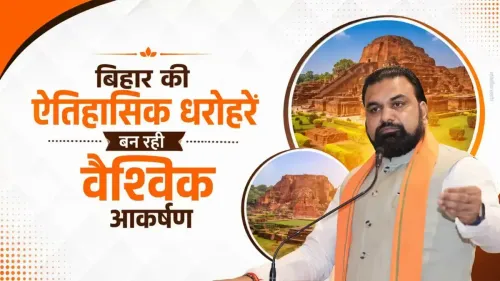
Choudhary described the Bihar Museum as 'हमारी समृद्ध ऐतिहासिक, सांस्कृतिक एवं पुरातात्त्विक विरासत का सशक्त प्रतीक' — 'a powerful symbol of our rich historical, cultural and archaeological heritage.' He urged citizens to renew their collective resolve toward the preservation, promotion and wider dissemination of Bihar's legacy, tying the moment to the broader national vision of Viksit Bharat and a Samridh Bihar — a developed India and a prosperous Bihar.
A Museum Built for Bihar's Millennia of History
The Bihar Museum, located in Patna, opened its main facilities in 2018 as a flagship state project to house and display the region's extraordinary archaeological and historical artifacts. Bihar sits at the geographic heart of two of the ancient world's most consequential empires — the Mauryan and the Gupta — and the museum was designed to make that weight tangible for everyday visitors, especially the young.
The institution has drawn heritage tourists and students alike, functioning as a cultural anchor in a state that often sees its historical significance underrepresented in national discourse. Foundation Day marks the anniversary of the museum's establishment and is observed with programming aimed at deepening public engagement with Bihar's past.
Culture as a Pillar of State Identity
Choudhary's address fits a pattern visible across several Indian states: governments investing in regional cultural infrastructure not merely as tourism play, but as a deliberate act of identity-building. For Bihar — a state whose ancient contributions to philosophy, governance and the arts are immense yet frequently overlooked — a world-class museum is also a political and civilisational statement.
His call to 'strengthen the resolve for preservation, promotion and dissemination' signals that the state may be laying groundwork for further announcements on heritage site conservation or expanded museum outreach programs in the months ahead.
Bihar has millennia of stories to tell. The question now is how boldly the state chooses to tell them.
Point of View
Investing political capital in cultural infrastructure is also smart electoral signalling to a Bihari electorate proud of its history. The dual framing of 'Samridh Bihar' alongside 'Viksit Bharat' suggests the state government is keen to present cultural policy not as soft symbolism but as a strand of economic and developmental ambition. Watch for follow-up announcements on heritage conservation funding or museum expansion as the government looks to convert this moment into a sustained programme.
NationPress
22 Sept 2026
Frequently Asked Questions
What is Bihar Museum Foundation Day?
Bihar Museum Foundation Day marks the anniversary of the establishment of the Bihar Museum in Patna, celebrated with events and programming to promote the state's archaeological and cultural heritage.
Where is the Bihar Museum located?
The Bihar Museum is located in Patna , the capital of Bihar, and opened its main facilities in 2018 to display the region's historical and archaeological artifacts.
What did CM Samrat Choudhary say at the Bihar Museum Foundation Day?
CM Samrat Choudhary called the Bihar Museum 'a powerful symbol of our rich historical, cultural and archaeological heritage' and urged citizens to renew their resolve toward preserving and promoting Bihar's legacy.
What empires does the Bihar Museum focus on?
The Bihar Museum focuses on Bihar's extraordinary history, including the legacy of the Mauryan and Gupta empires, two of the ancient world's most significant dynasties that were centred in the region.
How does Bihar Museum connect to the Viksit Bharat vision?
CM Choudhary linked the museum's mission to the national 'Viksit Bharat' (Developed India) vision, framing cultural preservation and heritage promotion as part of Bihar's broader developmental and identity-building goals.