CM Samrat Choudhary Meets Bihar IAS, IPS Officers in Delhi
Synopsis
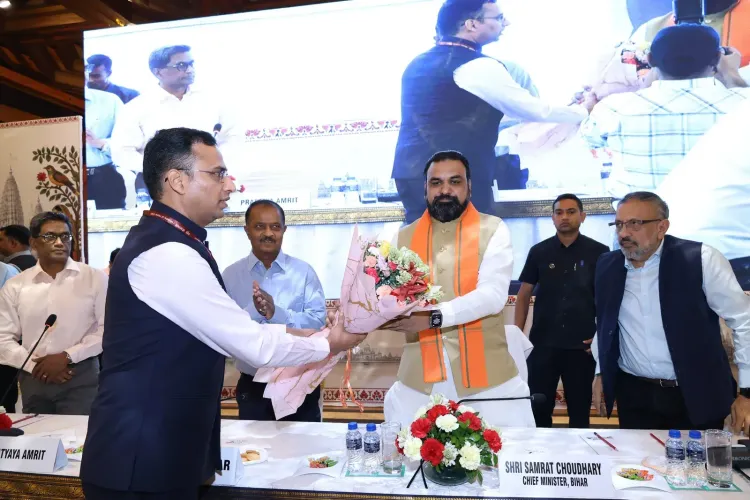
Bihar Chief Minister Samrat Choudhary convened Bihar cadre IAS and IPS officers in New Delhi on 28 May 2026 for detailed talks on development, good governance, and future possibilities, framing the meeting as essential to driving the Viksit Bihar vision forward.
Key Takeaways
Bihar CM Samrat Choudhary held a meeting with Bihar cadre IAS and IPS officers in New Delhi on 28 May 2026 .
Discussions covered Bihar's development, good governance, and future possibilities .
The Chief Minister stated that officers' suggestions and experiences are critical to accelerating the Viksit Bihar resolve.
The meeting aligns with the central government's Viksit Bharat 2047 vision, which calls on states to orient their administration toward national development targets.
No specific decisions or participant names were disclosed; follow-up announcements are expected in subsequent weeks.
Such chief minister-cadre officer consultations in New Delhi are a standard practice for aligning state priorities with administrative experience.
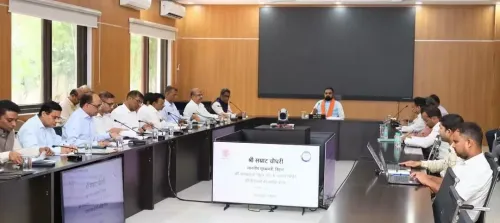
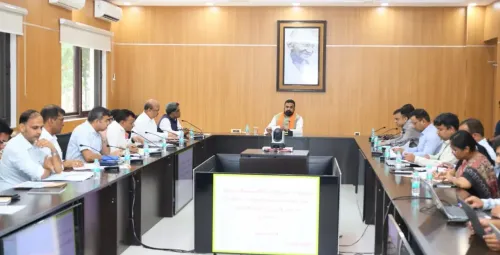
Bihar Chief Minister Samrat Choudhary on Thursday, 28 May 2026, held a meeting with Bihar cadre IAS and IPS officers in New Delhi, engaging in detailed discussions on the state's development, good governance, and future possibilities. The Chief Minister emphasised that the inputs and experiences of all officers are vital to accelerating the resolve of a 'Viksit Bihar' (Developed Bihar).
Context
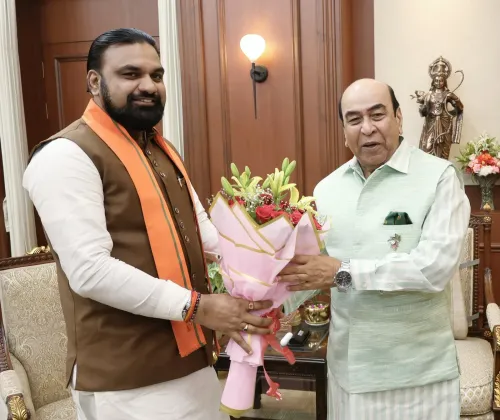
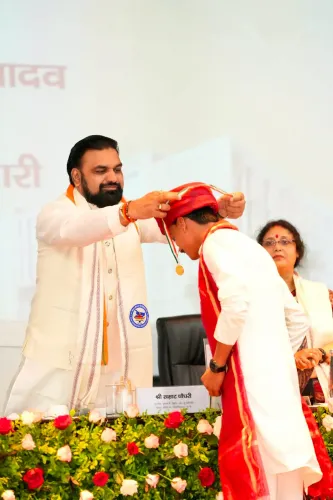
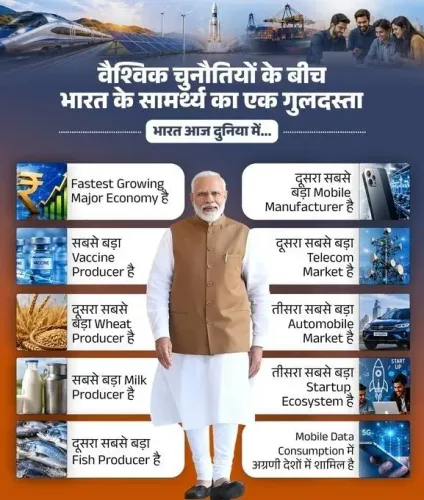
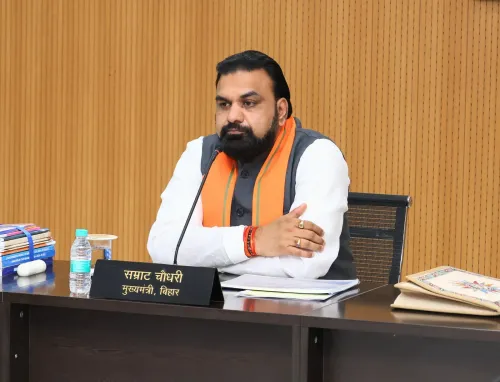
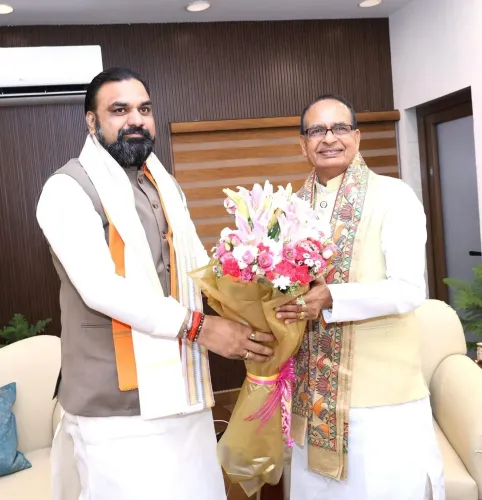
Posting on X, Samrat Choudhary wrote: 'नई दिल्ली में बिहार कैडर के आईएएस एवं आईपीएस अधिकारियों के साथ बैठक कर बिहार के विकास, सुशासन और भविष्य की संभावनाओं पर विस्तृत चर्चा की' — 'Held a detailed discussion on Bihar's development, good governance, and future possibilities in a meeting with Bihar cadre IAS and IPS officers in New Delhi.' He added that the suggestions and experiences of all participants are important to give momentum to the resolve of a Viksit Bihar. The post was accompanied by four images from the meeting.
Such meetings between a state chief minister and cadre officers posted in or visiting the national capital are a standard mechanism for aligning state administrative priorities with on-ground experience. They typically serve as informal consultations ahead of budget planning, scheme design, and officer deployment cycles.
Policy Backdrop
The hashtags #विकसित_भारत (Viksit Bharat) and #समृद्ध_बिहार (Samriddh Bihar) in the post situate this meeting within two overlapping policy frameworks. The Viksit Bharat 2047 vision, promoted by the central government since 2023, calls on states to align their administrative machinery with national development targets set for India's centenary of independence.
'Samriddh Bihar' — a prosperous Bihar — has been a parallel state-level articulation of that goal, with the Bihar government pursuing accelerated infrastructure investment, improved law-and-order metrics, and social welfare delivery. IAS and IPS officers serving in the Bihar cadre are the primary instruments through which both central schemes and state programmes are implemented on the ground.
Engagements of this nature have become increasingly common across BJP-ruled states, where chief ministers periodically convene their cadre officers in New Delhi to gather feedback, surface implementation bottlenecks, and build administrative cohesion ahead of key governance cycles.
Stakeholders and Impact
Bihar's approximately 13 crore residents are the ultimate stakeholders of any governance improvement arising from such consultations. Civil servants in the Bihar cadre — spread across district administration, policing, and development departments — are both participants in and executors of the outcomes of such dialogue.
For officers currently posted at central deputation in New Delhi, such meetings provide a direct channel to the state's political leadership. Their ground-level insights into scheme delivery, law enforcement, and administrative gaps can directly inform policy decisions back in Patna.
What's Next
No specific decisions, policy announcements, or participant names were disclosed in the post. Follow-up governance initiatives, officer postings, or scheme modifications stemming from this consultation are likely to surface in the coming weeks through official state government communications.
The meeting signals that CM Choudhary is actively seeking bureaucratic input as Bihar moves deeper into its development planning cycle — a posture that will be watched closely by both state residents and central government planners tracking the Viksit Bharat 2047 roadmap.
Point of View
Reinforcing Bihar's positioning as a proactive partner in the 2047 development roadmap. For a state that has historically struggled with administrative capacity, such consultations can serve as a low-cost, high-signal governance tool. Whether they translate into measurable policy shifts will depend on the follow-through visible in Bihar's next budget and scheme-deployment cycle.
NationPress
19 Sept 2026
Frequently Asked Questions
Why did Bihar CM Samrat Choudhary meet IAS and IPS officers in New Delhi?
CM Samrat Choudhary met Bihar cadre IAS and IPS officers in New Delhi on 28 May 2026 to hold detailed discussions on Bihar's development, good governance, and future possibilities, seeking their suggestions and experiences to advance the Viksit Bihar vision.
What is Viksit Bihar?
'Viksit Bihar' means 'Developed Bihar' and refers to the Bihar government's state-level development agenda, aligned with the central government's broader Viksit Bharat 2047 vision of transforming India by its centenary of independence.
What is Viksit Bharat 2047?
Viksit Bharat 2047 is a national development vision promoted by the Government of India since 2023, aiming to make India a fully developed nation by 2047, the centenary of its independence, with states expected to align their governance and schemes accordingly.
Who is Samrat Choudhary?
Samrat Choudhary is the Chief Minister of Bihar and a senior leader of the Bharatiya Janata Party (BJP).
What decisions came out of the Bihar officers meeting in Delhi on 28 May 2026?
No specific decisions, policy announcements, or participant names were disclosed following the meeting. Follow-up governance initiatives or scheme changes are expected to be announced through official state channels in the coming weeks.