CM Samrat Choudhary Orders 2,996 New School Buildings for Bihar
Synopsis
Bihar Chief Minister Samrat Choudhary announced at a Higher Education Department review on 22 October 2026 that 2,996 new school buildings housing 16,440 classrooms will be constructed across the state, targeting the chronic infrastructure deficit in Bihar's education system.
Key Takeaways
2,996 new school buildings will be constructed across Bihar, as announced by Chief Minister Samrat Choudhary on 22 October 2026 .
The buildings will include a total of 16,440 new classrooms , averaging roughly five to six classrooms per building.
The announcement came at a review meeting of the Higher Education Department held at the 'Sankalp' auditorium, Lok Sevak Awas, Patna .
Bihar has historically faced structural school infrastructure gaps, with demand for classrooms consistently outpacing construction under schemes like Sarva Shiksha Abhiyan .
Key next steps include district-wise school selection, budget provisioning, and tender processes — the metrics by which this pledge will be judged.
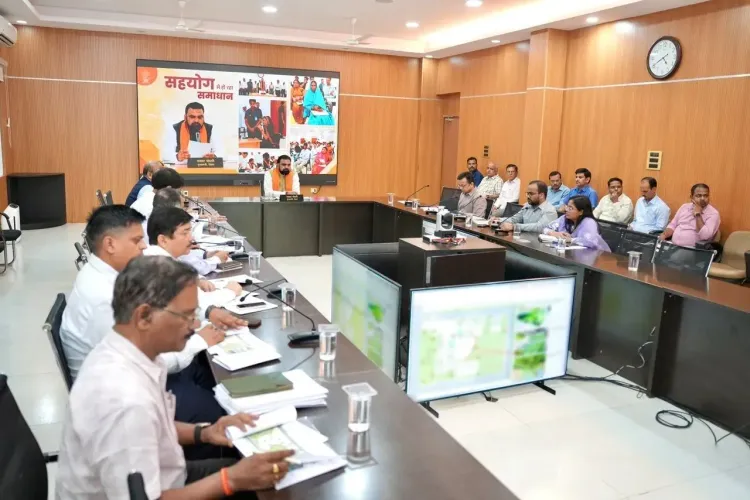
Nearly 3,000 new school buildings are coming to Bihar — and the Chief Minister wants the blueprints, the budgets, and the brick-laying to follow fast. Chief Minister Samrat Choudhary chaired a high-level review of the Higher Education Department at the 'Sankalp' auditorium in Lok Sevak Awas, Patna, on Thursday, 22 October 2026, emerging with a sweeping infrastructure mandate for the state's school network.
2,996 Buildings, 16,440 Classrooms — The Scale of the Pledge
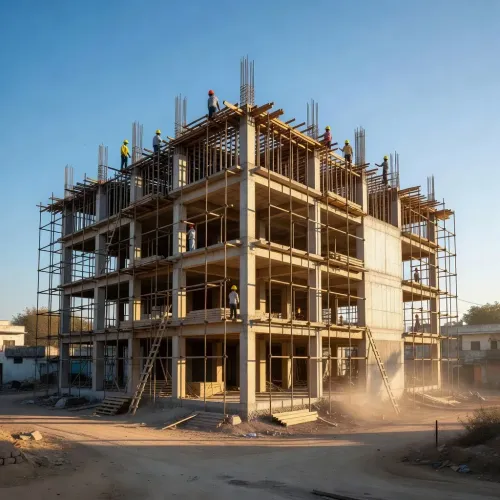
The headline number is unambiguous: 2,996 new school buildings will be constructed across Bihar, each fitted with new classroom blocks totalling 16,440 classrooms. The Chief Minister made the announcement in the post, declaring 'राज्य में 2,996 विद्यालयों के नए भवनों तथा उनमें 16,440 कक्षाओं का निर्माण किया जाएगा' — 'new buildings for 2,996 schools and 16,440 classrooms within them will be constructed in the state.'
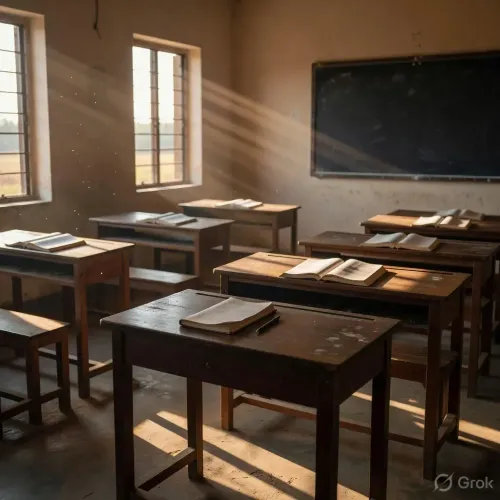
That is roughly an average of five to six new classrooms per school building — a ratio that signals intent to end the chronic overcrowding and multi-grade teaching that has long compressed learning outcomes in Bihar's rural and semi-urban schools.
Why Bihar's School Infrastructure Gap Is So Persistent
Bihar has historically ranked among India's most infrastructure-constrained education systems. Successive state governments have attempted to plug the deficit through centrally sponsored schemes — most notably Sarva Shiksha Abhiyan and its successor frameworks — yet demand has consistently outpaced construction. The state's large and young population means enrolment pressures are structural, not cyclical.
The Sankalp Sabhagar meeting signals that this administration is treating infrastructure not as a line item but as a strategic lever: get the buildings right, the argument goes, and enrolment, retention, and learning outcomes follow.
What the Department Must Deliver Next
Announcements of this scale live or die in the tender process. The immediate scrutiny will fall on district-wise allocation lists — which schools are selected, on what criteria, and whether historically underserved blocks get priority. Budget provisioning and the timeline for breaking ground will be the next measurable checkpoints.
Bihar's track record on infrastructure delivery is mixed: past classroom-construction drives have been slowed by land disputes, contractor capacity constraints, and mid-cycle funding gaps. The Chief Minister's direct chairing of the review meeting is itself a signal — it places political accountability at the top of the chain, not buried in a departmental file.
If even a fraction of Bihar's 16,440 promised classrooms reach completion on schedule, an entire generation of students gains a desk, a roof, and a door that closes — small things that carry enormous weight where they have long been absent.
Point of View
000 new buildings in a single sitting is a high-visibility bet: it sets a measurable benchmark that opposition benches and voters will track. The move fits a wider pattern of NDA-aligned state governments using large-scale physical infrastructure pledges to reframe the education narrative ahead of state-level political cycles. Whether the ambition survives the tender-to-construction journey is the only question that will matter when the next report card arrives.
NationPress
23 Oct 2026
Frequently Asked Questions
How many new school buildings will be built in Bihar?
Bihar Chief Minister Samrat Choudhary announced that 2,996 new school buildings will be constructed across the state, containing a total of 16,440 new classrooms .
Where did Bihar CM Samrat Choudhary make the school infrastructure announcement?
The announcement was made at the ' Sankalp ' auditorium located at Lok Sevak Awas in Patna , during a review meeting of the Higher Education Department on 22 October 2026 .
What is the Sankalp Sabhagar in Patna?
Sankalp Sabhagar is an official auditorium at Lok Sevak Awas in Patna, the residence-cum-office complex of Bihar's Chief Minister, used for high-level government review meetings.
Why does Bihar need so many new school classrooms?
Bihar has historically faced a structural deficit in school infrastructure, with enrolment demand consistently outpacing classroom availability, leading to overcrowding and multi-grade teaching in many government schools.
Which central scheme has supported school building construction in Bihar before?
Sarva Shiksha Abhiyan and its successor frameworks have been the primary centrally sponsored schemes used for school building and classroom construction in Bihar over the years.