CM Samrat Choudhary: 211 Colleges, Teacher Hiring to Keep Bihar Students Home
Synopsis
Bihar CM Samrat Choudhary announced 211 new degree colleges, thousands of teacher appointments, digital JEE-NEET coaching for poor students, and moves to revive the historic Vikramshila University — a sweeping push to end student out-migration and restore Bihar as a centre of learning.
Key Takeaways
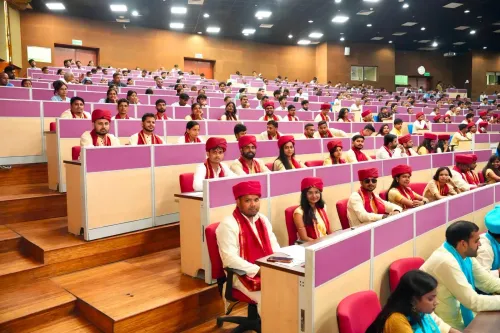
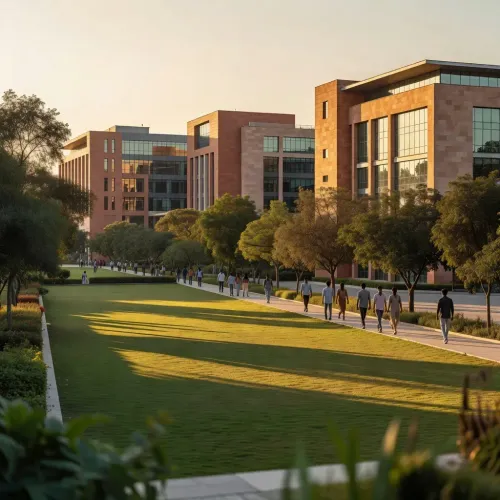
211 degree colleges have been opened in Bihar to curb student out-migration to other states for higher education.
The state has cleared the path for the appointment of thousands of teachers across these institutions.
Digital platforms will provide JEE and NEET coaching to economically weaker students on demand.
CM Choudhary announced steps toward the re-establishment of Vikramshila University , an 8th-century centre of learning in Bihar.
The push links practical access — colleges, faculty, coaching — to Bihar's ancient identity as a global knowledge hub rooted in the Nalanda tradition .
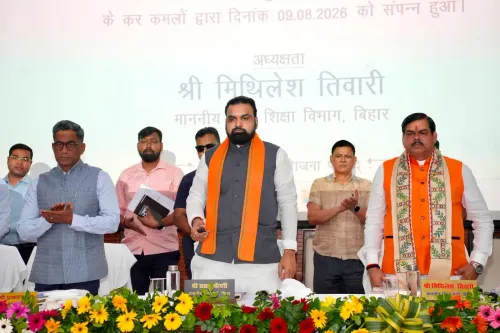
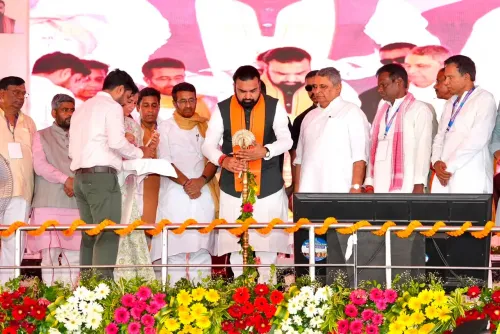
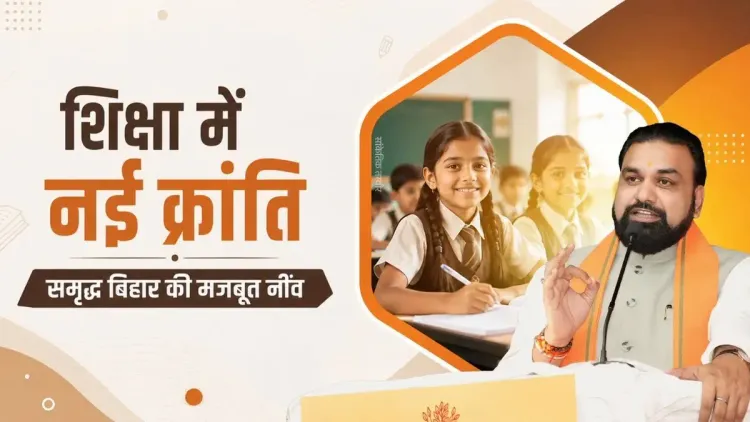
Bihar's students have long packed their bags for Kota, Pune, or Delhi the moment higher education beckoned — but Bihar Chief Minister Samrat Choudhary is betting a wave of new colleges, mass teacher recruitment, and digital coaching can reverse that drain. On Friday, 7 August 2026, the Chief Minister took to X to lay out the state's education agenda in unambiguous terms.
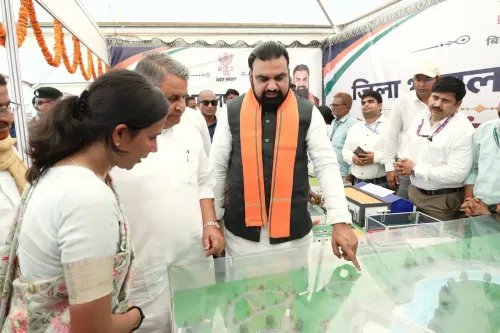
In his post, CM Choudhary stated that 211 degree colleges have been opened across Bihar so that students no longer need to migrate to other states for higher education, and that the path has been cleared for the appointment of thousands of teachers. 'Our resolve,' he wrote, 'is to give every child quality education, every youth an opportunity, and to make Bihar a new power of knowledge.'
JEE-NEET Coaching and Digital Access for Poor Students
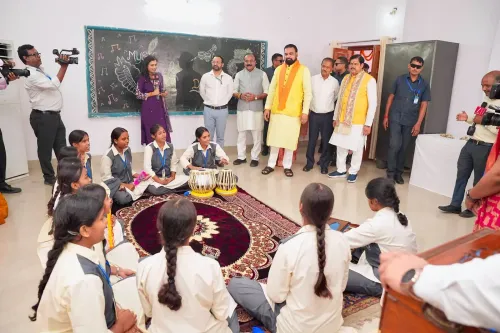
The Chief Minister specifically flagged access for children from economically weaker sections, promising world-class education, JEE and NEET preparation, and on-demand teachers through digital platforms. This is a direct response to a well-documented reality: Bihar's aspirants for engineering and medical seats have historically had to travel to coaching hubs in other states, a financial and logistical burden that effectively shuts out poorer families. A state-backed digital coaching layer, if delivered, could meaningfully widen the funnel for competitive exam preparation within Bihar itself.
Vikramshila Revival and the Nalanda Inheritance
Choudhary also invoked Bihar's ancient intellectual heritage, announcing steps toward the re-establishment of Vikramshila University — the 8th-century Buddhist monastic centre in present-day Bihar that stood alongside Nalanda as one of the subcontinent's great seats of learning until the 12th century. The reference is more than symbolic: Bihar governments have consistently tied infrastructure expansion to the restoration of this historical identity, and the Nalanda University Act of 2010 already set a modern precedent by re-establishing an international university at the ancient Nalanda site. A Vikramshila revival would extend that arc further east along the Ganga plains.
The twin pillars of the announcement — practical access (colleges, teachers, digital coaching) and civilisational aspiration (Vikramshila, the Nalanda knowledge tradition) — reflect a political calculus as much as an education policy: Bihar's youth bulge is vast, its out-migration for study and work remains a defining challenge, and any government that credibly addresses both carries a powerful electoral argument.
The real test will come in the rollout: whether the 211 colleges are staffed and functional, whether digital JEE-NEET platforms reach students in Bhagalpur, Darbhanga, and Araria as readily as in Patna, and whether Vikramshila moves from announcement to foundation stone. Bihar's knowledge revival is being written — the next chapter depends on execution.
Point of View
And a civilisational claim anchored in Bihar's Nalanda-Vikramshila heritage. The Vikramshila revival signal, following the precedent set by the Nalanda University Act of 2010, positions the BJP-led state government as the custodian of an intellectual legacy that transcends caste and community lines — a unifying frame in a deeply fissured political landscape. The emphasis on JEE-NEET coaching for poor students also directly contests the perception that competitive exam preparation is a privilege of the affluent or the geographically mobile. Whether the delivery matches the declaration will determine whether this becomes a durable policy legacy or a recurring election-cycle promise.
NationPress
22 Sept 2026
Frequently Asked Questions
How many new degree colleges has Bihar opened?
Bihar Chief Minister Samrat Choudhary stated that 211 degree colleges have been opened in the state to ensure students do not have to migrate elsewhere for higher education.
What is the Vikramshila University revival in Bihar?
Vikramshila University was an 8th-century Buddhist monastic centre of learning in present-day Bihar. CM Choudhary announced that steps are being taken toward its re-establishment, continuing Bihar's effort to restore its ancient knowledge heritage alongside the modern Nalanda University.
Will Bihar provide free JEE and NEET coaching to poor students?
CM Choudhary announced that arrangements are being made to provide JEE and NEET preparation and on-demand teachers through digital platforms specifically for students from economically weaker sections in Bihar.
What is the Nalanda knowledge tradition CM Choudhary referred to?
Nalanda was an ancient international centre of higher learning in Bihar, active until the 12th century. A modern Nalanda University was re-established under the Nalanda University Act of 2010. CM Choudhary invoked this tradition to frame Bihar's current education push as a continuation of its historic role.
Why do Bihar students migrate to other states for education?
Bihar has historically had fewer degree colleges, limited faculty, and scarce professional coaching infrastructure, pushing students to states like Rajasthan, Maharashtra, and Delhi for engineering, medical, and other higher education. The state government's new colleges and digital coaching initiatives aim to address this gap.