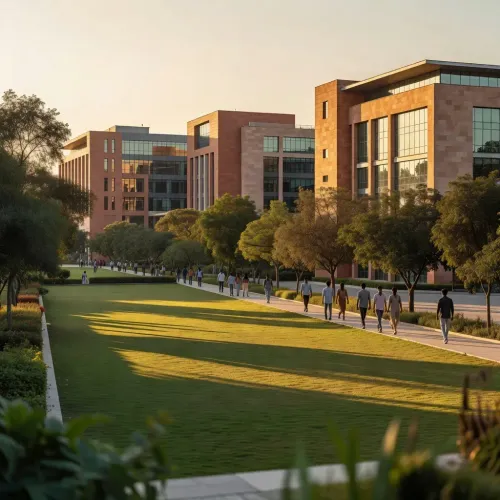
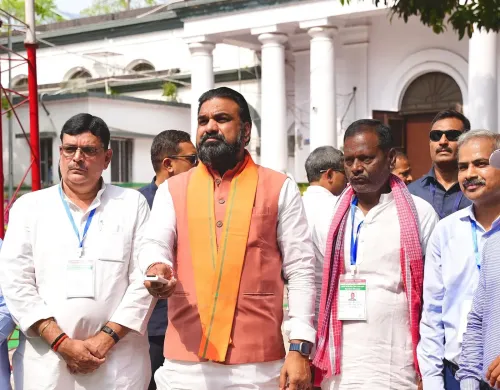
CM Samrat Choudhary launches classes in 211 new Bihar degree colleges
Synopsis
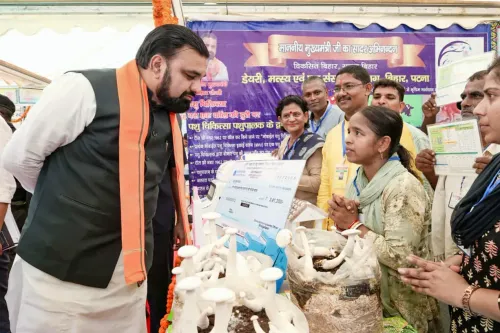
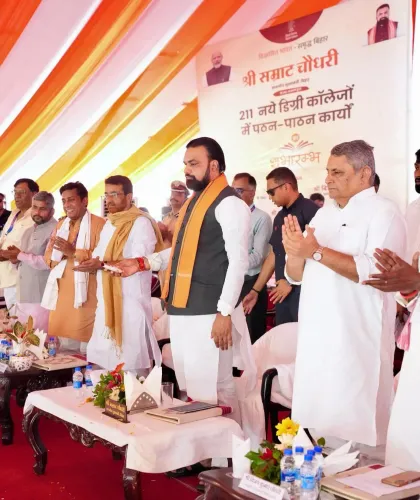
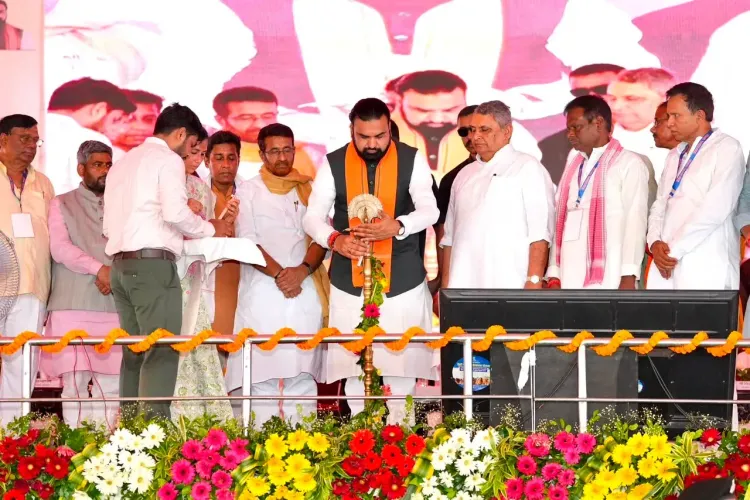
Chief Minister Samrat Choudhary on 15 July 2026 inaugurated academic operations across 211 newly established degree colleges in Bihar, launching the drive from Bhagalpur's Goradih Kasil Campus, reaffirming the state's commitment to taking higher education to every block.
Key Takeaways
211 new degree colleges across Bihar began academic operations simultaneously on 15 July 2026 .
The launch was conducted by Chief Minister Samrat Choudhary from the Kasil Campus, Goradih, Bhagalpur .
The CM stated the government is committed to making higher education accessible at the block (prakhand) level across the entire state.
The initiative targets rural and underserved communities where college access has historically been limited.
Key next steps include faculty recruitment , first-batch enrolment, and infrastructure completion at all 211 campuses.
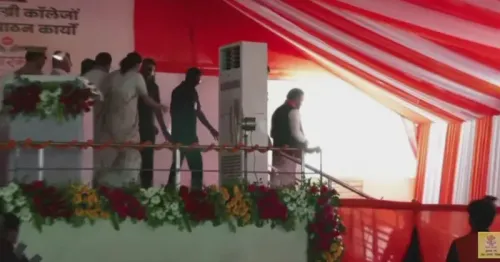
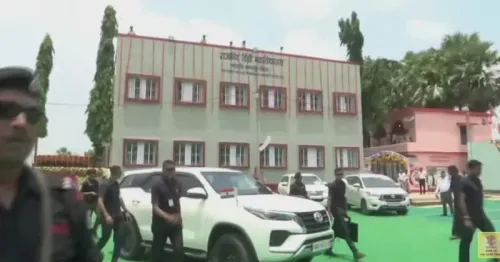
The Chief Minister's Office of Bihar announced on Wednesday, 15 July 2026, that Chief Minister Samrat Choudhary inaugurated academic operations across 211 newly established degree colleges across the state, launching the initiative from the newly set-up degree college at Goradih, Kasil Campus, Bhagalpur.
The post, shared from the official CMO Bihar account, quoted the Chief Minister as stating: 'Rajya sarkar pratyek prakhand tak uchch shiksha ki suvidha pahunchane ke liye pratibaddh hai' ('The state government is committed to making higher education accessible to every block in the state.').
Context
Samrat Choudhary launched the academic sessions simultaneously across all 211 colleges, symbolically beginning from the Kasil Campus in Goradih, Bhagalpur — a district in eastern Bihar. The event marks the formal commencement of teaching and learning activities (pathan-pathan karya) at these institutions, which had been newly established ahead of this inauguration.
The choice of Bhagalpur as the launch venue is significant — eastern Bihar has historically lagged in higher education infrastructure compared to the state's more urbanised western districts.
Policy Backdrop
Bihar's drive to plant degree colleges in every administrative block (prakhand) is part of a multi-year state push to raise gross enrolment ratios in higher education. Large tracts of rural Bihar have long been underserved, forcing students — particularly young women — to travel long distances or forgo college education entirely.
The addition of 211 colleges in a single phase represents one of the larger single-tranche expansions of undergraduate infrastructure in the state's recent history, aimed squarely at correcting the urban-rural imbalance in college access.
Stakeholders and Impact
The primary beneficiaries are block-level rural youth, especially first-generation college-goers in districts with limited existing higher education options. Proximity to a degree college is widely recognised as a key determinant of female enrolment in Indian higher education.
Secondary stakeholders include local faculty and administrative staff who will be recruited to staff these institutions, as well as district administrations tasked with overseeing infrastructure readiness and student admissions in the coming academic cycle.
What's Next
Attention will now shift to operational milestones: faculty recruitment drives, first-batch enrolment figures, and infrastructure completion audits for each of the 211 campuses. The state government's ability to staff and equip these colleges at pace will determine whether the inauguration translates into sustained educational access.
If Bihar sustains this expansion trajectory, it could serve as a reference model for other states grappling with similar urban-rural divides in higher education — and may invite scrutiny from the University Grants Commission regarding quality benchmarks for newly operational institutions.
Point of View
An eastern Bihar district, is a deliberate political and symbolic choice, signalling intent to address the state's most educationally marginalised geography. The real test, however, lies beyond inauguration day: Bihar's past college-expansion drives have sometimes stalled at the staffing and infrastructure stages, making faculty recruitment and UGC compliance the critical variables to watch. If the operational rollout matches the scale of the launch, this could mark a genuine inflection point in Bihar's higher education landscape.
NationPress
14 Oct 2026
Frequently Asked Questions
How many new degree colleges did Bihar inaugurate in July 2026?
Bihar launched academic operations in 211 new degree colleges simultaneously on 15 July 2026 , with Chief Minister Samrat Choudhary inaugurating the drive from Bhagalpur.
Where was the Bihar degree college inauguration ceremony held?
The launch event was held at the newly established degree college at Goradih, Kasil Campus in Bhagalpur , an eastern Bihar district.
What did CM Samrat Choudhary say about higher education in Bihar?
CM Samrat Choudhary stated that the state government is committed to making higher education accessible to every block (prakhand) in Bihar.
Who is Samrat Choudhary?
Samrat Choudhary is the Chief Minister of Bihar, associated with the current state government, and has been leading several infrastructure and education initiatives in the state.
Why is Bihar opening new degree colleges at the block level?
Bihar is expanding college infrastructure to correct a long-standing urban-rural imbalance in higher education access, aiming to improve gross enrolment ratios and reduce the distance students — especially women — must travel to attend college.