Kejriwal Requests Transfer of Liquor Policy Case to Different Bench
Synopsis
In a significant move, Arvind Kejriwal seeks to transfer the CBI's liquor policy case from Justice Swarana Kanta Sharma to another bench. This comes after the Rouse Avenue Court discharged all accused, including Kejriwal and Manish Sisodia. The Delhi High Court is set for further hearings next week.
Key Takeaways
Kejriwal seeks reassignment of the excise policy case.
CBI challenges the trial court's discharge of accused.
The excise policy is under scrutiny for alleged corruption.
ED raises concerns over trial court's remarks.
Next hearing scheduled for next week.
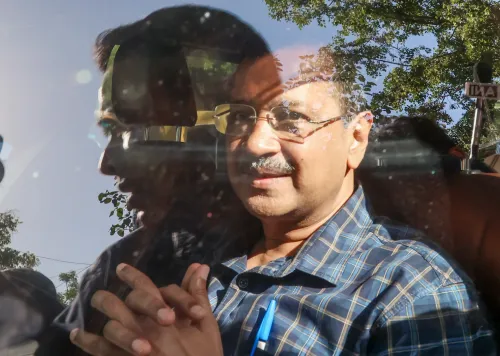
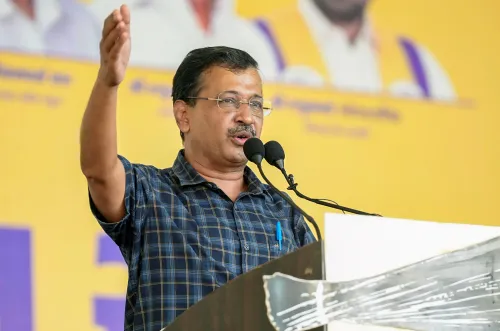
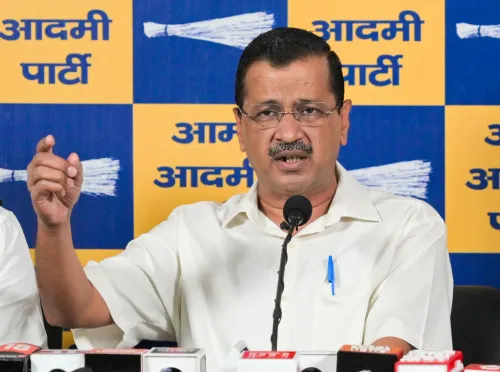
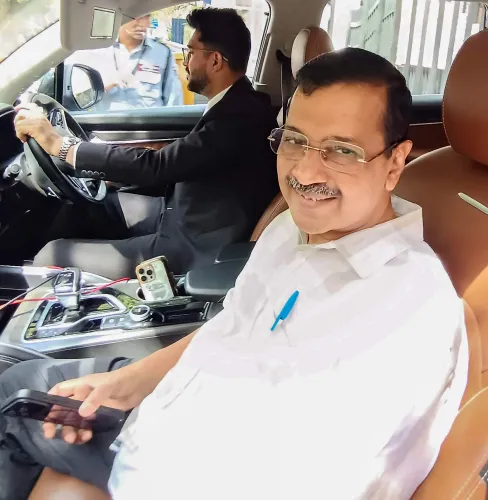
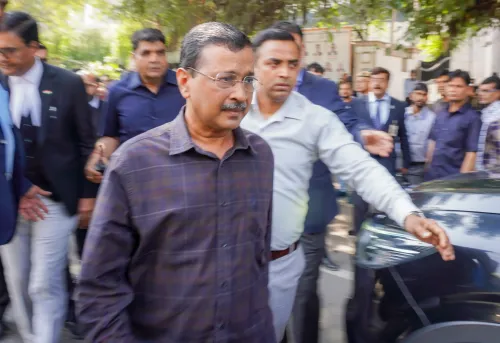
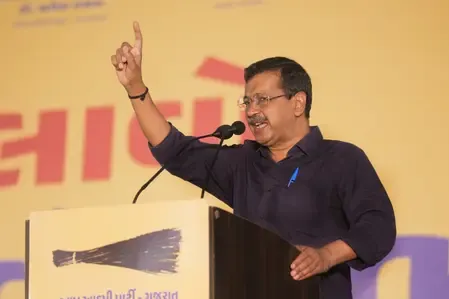
New Delhi, March 11 (NationPress) AAP's National Convenor, Arvind Kejriwal, has formally requested the Chief Justice of the Delhi High Court to reassign the Central Bureau of Investigation's (CBI) revision petition concerning the Delhi excise policy case from the current Bench led by Justice Swarna Kanta Sharma.
In his appeal, former Chief Minister Kejriwal asked Chief Justice Devendra Kumar Upadhyaya, who oversees the roster, to assign the matter to another Bench within the Delhi High Court.
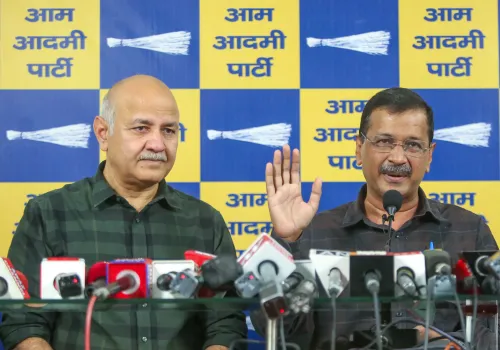
The CBI's petition challenges the Rouse Avenue Court's decision that discharged all 23 defendants, including Kejriwal and former Deputy Chief Minister Manish Sisodia, linked to the now-defunct excise policy enacted by the previous AAP-led Delhi administration.
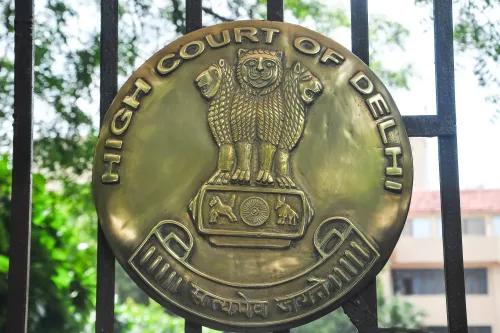
This week, a single-judge Bench under Justice Sharma issued a notice to Kejriwal, Sisodia, and other parties regarding the CBI's challenge to the trial court's ruling that discharged the accused.
During the proceedings, the Delhi High Court also put a hold on the trial court's directive for departmental action against a CBI officer involved in the investigation, stating that any comments made against the agency and the officer would also be stayed.
The Delhi High Court indicated that it would revisit the issue for further discussions next week.
Additionally, Justice Sharma's Bench on Tuesday acknowledged a plea from the Enforcement Directorate (ED) requesting the removal of certain negative remarks made by the trial court concerning it while discharging the accused in the excise policy case.
The ED argued that such observations were unrelated to the case at hand and were made despite the agency not being a participant in the trial court when the discharge was ordered.
Additional Solicitor General S.V. Raju contended that the remarks were recorded without allowing the ED to present its side, potentially undermining its ongoing investigation under the Prevention of Money Laundering Act (PMLA).
Justice Sharma stated that the Delhi High Court would address the ED's concerns alongside the CBI's revision petition since the entire judgment from the trial court was already under scrutiny.
In its petition, the CBI criticized the trial court's decision to discharge all accused, labeling the ruling as "perverse" and tantamount to an acquittal without a trial.
The investigation agency alleged that the excise policy was purportedly manipulated to favor certain private liquor businesses, including the so-called 'South Group', in exchange for purported upfront bribes.
Conversely, the trial court dismissed the prosecution’s claims of a grand conspiracy, asserting that the available documentation suggested that the policy was developed through a consultative and deliberative process conducted within the established procedure.
Point of View
The outcome will likely have significant repercussions for all parties involved and the broader political climate in Delhi.
NationPress
19 Sept 2026
Frequently Asked Questions
What is the Delhi excise policy case about?
The case involves allegations that the excise policy was manipulated to benefit certain private liquor entities in exchange for bribes.
Why did Kejriwal request a change of Bench?
Kejriwal seeks a reassignment of the case to ensure fairness, as the current Bench discharged all accused, including himself and Manish Sisodia.
What are the implications of the CBI's revision petition?
The petition challenges the trial court's decision to discharge the accused, which the CBI argues was unjust and amounted to an acquittal without trial.
What role does the Enforcement Directorate play in this case?
The ED is involved in related investigations under the Prevention of Money Laundering Act, and it has raised concerns about negative remarks made against it in the trial court.
When will the Delhi High Court hear the case again?
The Delhi High Court has indicated that it will take up the case for further hearing next week.