Kerala electoral roll revision from Oct 15: CEO Sajith Babu holds three department charges
Synopsis
Kerala's electoral roll revision kicks off on 15 October with CEO D. Sajith Babu simultaneously holding charge of the General Education and Minority Welfare departments — three distinct administrative portfolios under one officer at a critical electoral moment. The arrangement, legal under Indian administrative practice, nonetheless raises questions about bandwidth during a statewide enrolment and verification drive.
Key Takeaways
Kerala's electoral roll revision drive runs from 15 to 31 October 2026 , followed by the 'Campus to Booth' campaign from 2 November .
Sajith Babu , a 2012-batch IAS officer , was designated by the ECI in August 2026 and continues to hold charge of the General Education and Minority Welfare departments.
Eligible voters can apply using Form 6 at designated centres or online; Booth Level Officers will conduct field verification.
District Collectors have been asked to set up form distribution centres and digital help desks near Village Offices.
Under Section 13A of the Representation of the People Act, 1950 , the CEO operates directly under ECI control for electoral work.
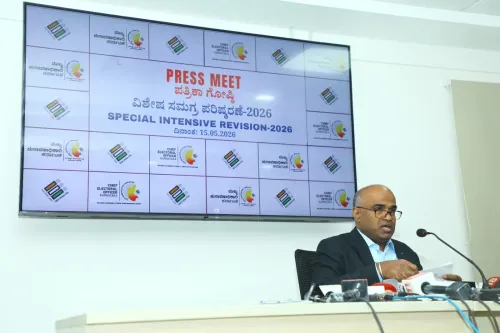
Kerala's statewide electoral roll revision drive is set to begin on 15 October 2026, even as Chief Electoral Officer (CEO) D. Sajith Babu simultaneously holds charge of the General Education and Minority Welfare departments — an arrangement that places three distinct administrative portfolios under a single officer during a critical electoral exercise. The revision, which runs through 31 October, will be followed by a week-long 'Campus to Booth' campaign from 2 November to encourage first-time and young voters to enrol.
Who Is D. Sajith Babu
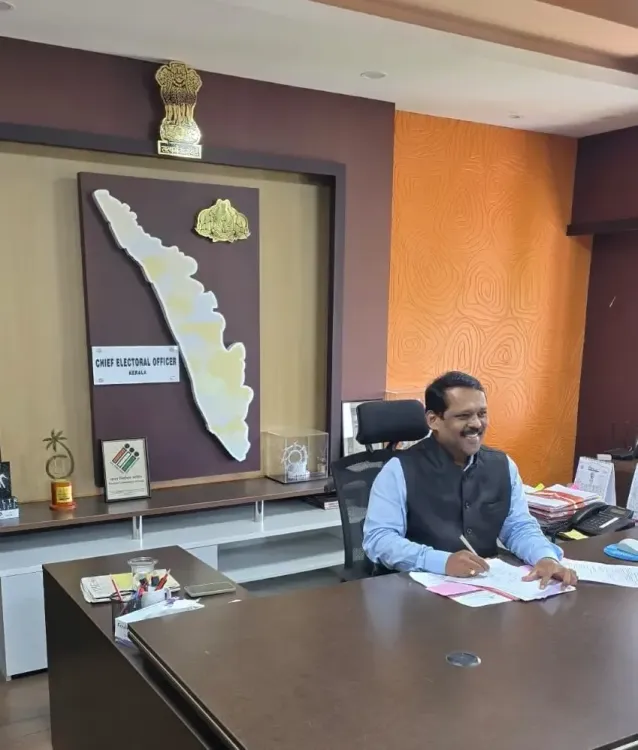
D. Sajith Babu, a 2012-batch IAS officer holding the rank of Special Secretary, was designated as Kerala's CEO by the Election Commission of India (ECI) in August 2026. He has since continued to hold charge of two other state departments. Under Section 13A of the Representation of the People Act, 1950, the CEO functions directly under the control of the ECI in supervising all electoral work in the state.
How the Revision Drive Works
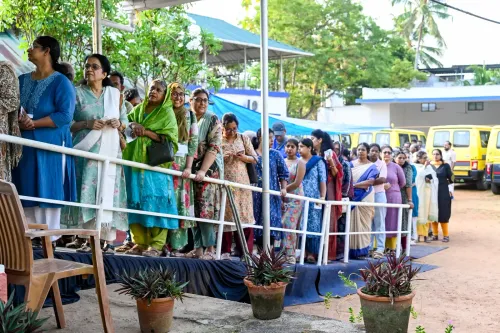
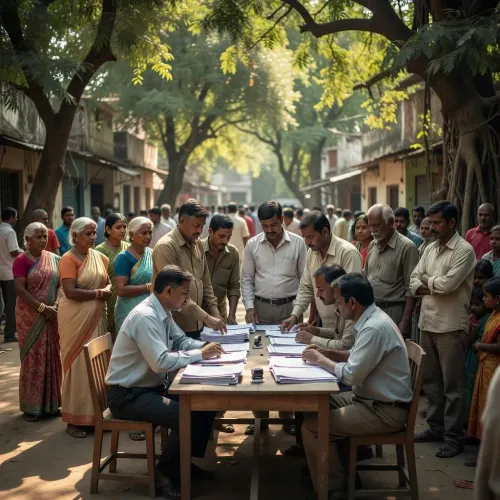
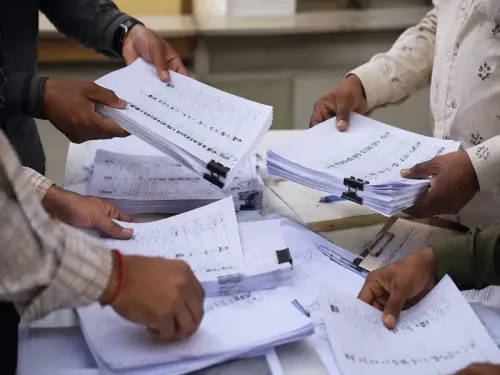
District Collectors across Kerala have been instructed to set up form distribution centres and digital help desks near Village Offices. Eligible voters can apply for inclusion in the electoral roll using Form 6, either at these designated centres or through the online portal. Booth Level Officers (BLOs) will conduct field visits to verify applications, while Electoral Registration Officers will examine discrepancies between existing electoral rolls and pending applications that remained unresolved during earlier revision exercises.
Campus to Booth Campaign
From 2 November, the 'Campus to Booth' initiative will be rolled out across colleges, higher secondary schools, and schools statewide. District Collectors have been specifically directed to ensure maximum student participation in voter awareness and enrolment activities. The campaign targets first-time eligible voters who may not yet have registered.
The Multiple-Charge Question
The General Education Department oversees Kerala's extensive school network — a responsibility that carries significant administrative weight on its own. The Minority Welfare Department similarly carries independent policy and programme obligations. Having these alongside the CEO's election duties — which now require coordinating officials across all of Kerala's districts — has drawn attention to the workload concentration. Notably, this is not an unusual arrangement in Indian administrative practice, where IAS officers routinely hold additional charges; however, the timing of a high-stakes revision drive sharpens the spotlight on the arrangement.
What Comes Next
The immediate focus will be on the effective implementation of the ECI's instructions and the timely completion of verification and enrolment activities statewide before the revision window closes on 31 October. The success of the drive — measured by the number of new enrolments and discrepancies resolved — will ultimately reflect on the administrative capacity under the current charge structure.
Point of View
The dual-portfolio arrangement becomes a ready explanation — and a ready criticism. The ECI's silence on this specific overlap is itself noteworthy.
NationPress
13 Oct 2026
Frequently Asked Questions
When does Kerala's electoral roll revision drive begin in 2026?
Kerala's statewide electoral roll revision drive begins on 15 October 2026 and runs through 31 October. A follow-up 'Campus to Booth' campaign targeting young voters is scheduled from 2 November 2026.
Who is D. Sajith Babu and what is his role?
D. Sajith Babu is a 2012-batch IAS officer holding the rank of Special Secretary, designated as Kerala's Chief Electoral Officer by the Election Commission of India in August 2026. He also continues to hold charge of the General Education and Minority Welfare departments.
How can voters enrol during the Kerala electoral roll revision?
Eligible voters can apply for inclusion using Form 6, either at designated form distribution centres near Village Offices or through the online portal. Booth Level Officers will verify applications through field visits.
What is the 'Campus to Booth' campaign in Kerala?
'Campus to Booth' is a week-long voter awareness and enrolment drive from 2 November 2026, conducted across colleges, higher secondary schools, and schools in Kerala. District Collectors have been directed to ensure maximum student participation.
Is it legally permissible for the Kerala CEO to hold additional department charges?
Yes. Under Indian administrative practice, IAS officers routinely hold additional charges. The CEO's electoral responsibilities are governed by Section 13A of the Representation of the People Act, 1950, under which they function directly under ECI oversight for election-related work.