Kerala reintroduces load shedding as power demand hits record 118.26 MU
Synopsis
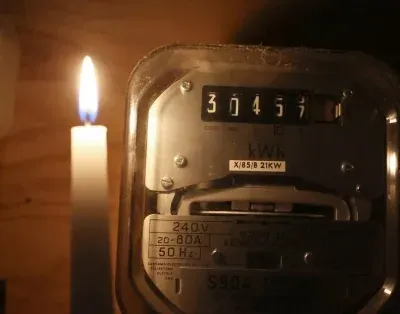
Kerala's decade-long claim of being load-shedding-free collapsed on Tuesday as record demand of 118.26 million units — driven by a 41°C heat wave, EV charging, and an induction cooking surge — forced the LDF government to authorise power cuts just days before Assembly election results on 4 May.
Key Takeaways
Kerala reintroduced load shedding on Tuesday, 29 April 2025 , ending nearly a decade without cuts.
Peak demand hit an all-time high of 118.26 million units on 27 April ; evening demand peaked at 6,033 MW .
Power cuts of up to 30 minutes authorised between 6 p.m. and midnight under extreme conditions.
Kerala sources over 70% of its power from external markets, which are also strained by a national heat wave.
Opposition leader V.
Satheesan has alleged opaque power purchase agreements weakened energy security.
The crisis unfolds days before Assembly election vote counting on 4 May , adding political pressure.
Kerala on Tuesday, 29 April 2025, reintroduced load shedding after nearly a decade, authorising power cuts of up to 30 minutes between 6 p.m. and midnight to protect grid stability amid record-breaking electricity demand. The decision, taken at a high-level review meeting in Thiruvananthapuram, marks a significant reversal for the ruling Left Democratic Front (LDF) government, which had repeatedly cited Kerala's load-shedding-free status as a flagship achievement.
Record Demand and the Scale of the Crisis
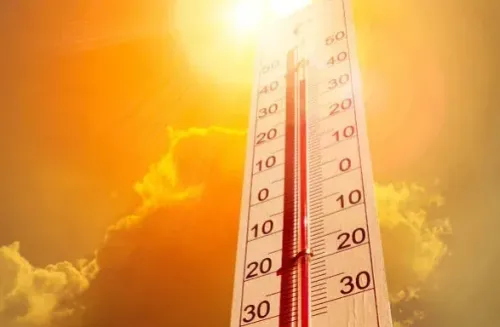
Data presented at the review meeting underscores the severity of the situation. Peak electricity consumption touched an all-time high of 118.26 million units on 27 April, while demand after 6 p.m. surged to a record 6,033 MW. A brief spike to 6,195 MW was recorded on 23 April at 10:30 p.m., the highest instantaneous demand the state has seen. Officials noted that temperatures, initially forecast at 38 degrees Celsius, climbed to 41 degrees Celsius, sharply accelerating consumption across the state.
What Triggered the Surge
Authorities attributed the demand explosion to a confluence of factors. Increased air-conditioner usage driven by the heat wave, electric vehicle charging after 6 p.m., and a growing shift to induction cooking — prompted by cooking gas shortages linked to the West Asian conflict — all contributed to the spike. Demand was found to be most acute between 9:30 p.m. and midnight. Notably, electricity availability in the national market has also declined amid a widespread heat wave, compounding Kerala's vulnerability: the state depends on external sources for over 70 per cent of its power needs. A 200 MW shortfall from central generating stations is, however, reportedly expected to be resolved shortly.
What the Government Has Authorised
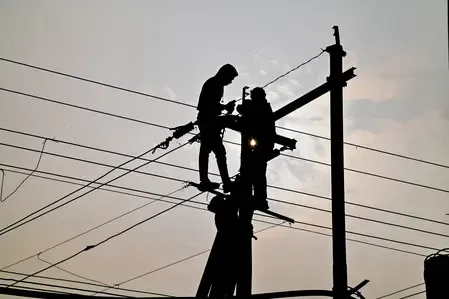
Additional Chief Secretary (Power) Puneet Kumar chaired the high-level review meeting, which was attended by Kerala State Electricity Board (KSEB) Chairman and Managing Director Minhaj Alam and other senior officials. Kumar authorised cuts of up to 30 minutes in the 6 p.m. to midnight window under extreme conditions. The KSEB has urged consumers to avoid EV charging during peak hours, maintain air-conditioner temperatures between 24 and 26 degrees Celsius, and limit use of high-power appliances. The Energy Management Centre is expected to issue detailed public advisories, and daily monitoring has been put in place.
The Political Fallout
The development carries significant political weight. The Pinarayi Vijayan government had repeatedly asserted that Kerala remained free of load shedding for nearly a decade under Left rule, often contrasting this with the previous Congress-led United Democratic Front (UDF) regime. That narrative has now been punctured days before vote counting for the April 9 Assembly elections on 4 May. Leader of Opposition V. D. Satheesan has already alleged that faulty and opaque power purchase agreements entered into by the government weakened long-term energy security and pushed the state towards avoidable shortages — a charge the government has not publicly addressed in detail.
What Happens Next
With daily monitoring now in place, the government faces both an operational challenge — managing a structural demand-supply gap in the short term — and a political one, given the proximity to vote counting. How quickly the 200 MW central station shortfall is resolved, and whether temperatures ease in the coming days, will determine whether the load-shedding window remains limited or expands further.
Point of View
A demand curve reshaped by EVs and induction cooking, and a government that allowed its political messaging to outpace its energy planning. The state's reliance on external sources for over 70% of supply was always a fragility waiting to be exposed; a national heat wave simply did it publicly, and at the worst possible moment — days before election results. The Opposition's allegation about opaque power purchase agreements deserves scrutiny: if long-term procurement was indeed mismanaged, no amount of consumer advisories about AC temperatures will address the underlying gap.
NationPress
19 Sept 2026
Frequently Asked Questions
Why has Kerala reintroduced load shedding in 2025?
Kerala reintroduced load shedding on 29 April 2025 due to record electricity demand driven by an intense heat wave, rising air-conditioner usage, EV charging after 6 p.m., and increased induction cooking. Peak demand hit 118.26 million units on 27 April, straining a grid that imports over 70% of its power from external sources.
What are the load shedding timings in Kerala?
Power cuts of up to 30 minutes have been authorised between 6 p.m. and midnight under extreme conditions to ensure grid stability. Demand spikes are most acute between 9:30 p.m. and midnight, according to officials.
How long had Kerala been free of load shedding?
The Pinarayi Vijayan government had claimed Kerala was free of load shedding for nearly a decade under Left rule, often citing it as a contrast to the previous Congress-led UDF government. That record has now ended.
What is the KSEB asking consumers to do?
The Kerala State Electricity Board has urged consumers to avoid charging electric vehicles during peak hours, keep air-conditioner temperatures between 24 and 26 degrees Celsius, and reduce use of high-power appliances. The Energy Management Centre is expected to issue detailed public advisories.
What is the political impact of the power crisis?
The crisis carries significant political weight as it directly contradicts the LDF government's decade-long claim of a load-shedding-free Kerala, and it has emerged days before Assembly election vote counting on 4 May. Opposition leader V. D. Satheesan has alleged that opaque power purchase agreements by the government are responsible for the shortage.