Kerala Left cadre revolt: CPI, CPI(M) chiefs face internal fire after poll rout
Synopsis
Kerala's Communist parties are experiencing their most visible internal revolt in years — both the CPI and CPI(M) state secretaries are under simultaneous fire from their own cadres after the Left's assembly tally crashed from 99 to just 35 seats. The anger is not just about the numbers; it is about a leadership style that critics say traded collective Communist identity for a single-leader campaign.
Key Takeaways
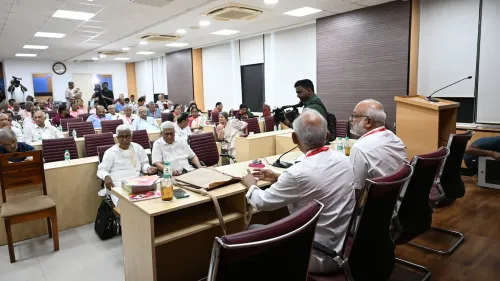
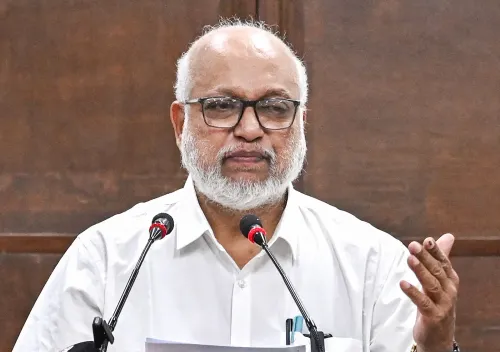
The CPI state council meeting in Thiruvananthapuram has turned into an open forum for criticism against state secretary Binoy Viswam .
CPI(M) state secretary M.V.
Govindan is separately facing internal criticism over organisational failures and candidate selection.
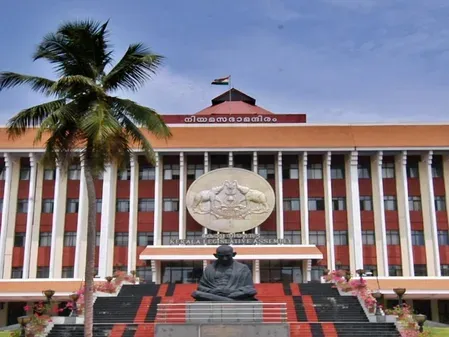
The Left's assembly strength fell from 99 to 35 seats in the 140-member Kerala Legislative Assembly ; the CPI won just 8 of the 25 seats it contested.
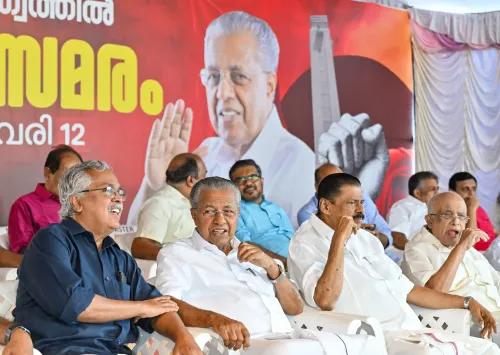
Cadres have criticised the campaign's heavy reliance on former Chief Minister Pinarayi Vijayan's image, arguing it weakened the Left's collective character.
Structural grievances — including pension scheme discontent, farmers' issues, and minority voter drift — have been cited as root causes of the defeat.
Analysts note this simultaneous revolt against both party leaderships is unprecedented in recent Kerala Communist history.
The Communist movement in Kerala is confronting an unusual wave of internal dissent, with senior leaders of both the Communist Party of India (CPI) and the Communist Party of India (Marxist) (CPI(M)) facing pointed criticism from within their own ranks following a bruising electoral defeat. The revolt, surfacing openly at a CPI state council meeting in Thiruvananthapuram, signals a broader crisis of confidence in the Left Democratic Front (LDF) leadership.
CPI State Council Turns Into Accountability Forum
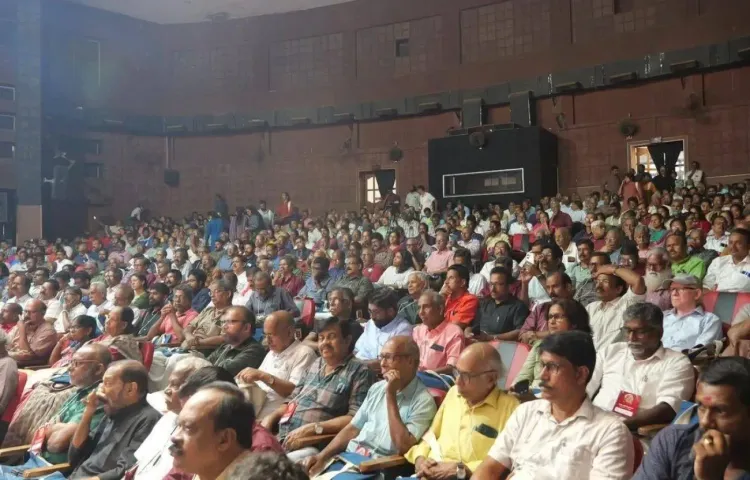
The ongoing CPI state council meeting has become an unexpected arena for open dissent, with party members directly targeting state secretary Binoy Viswam. Critics within the council questioned his political judgement, his public communication style, and the CPI's failure to function as an independent force within the LDF alliance.
Some members reportedly argued that Viswam's frequent public reactions were counterproductive, calling instead for a more restrained and politically calibrated approach. The criticism reflects frustration that the party's distinct identity was subordinated to coalition compulsions.
The Electoral Arithmetic Behind the Anger
The numbers tell a stark story. The CPI contested 25 seats and managed to win just 8. More broadly, the Left's combined tally collapsed from 99 seats to just 35 in the 140-member Kerala Legislative Assembly — a historic decline that has left cadres demanding answers.
A central grievance is the campaign strategy that centred heavily on the image of former Chief Minister Pinarayi Vijayan. Members argued that the personalisation of the campaign around a single leader undermined the collective character that has historically defined the Communist movement in the state.
CPI(M)'s Govindan Also Under Fire
The internal turbulence is not confined to the CPI. CPI(M) state secretary M.V. Govindan has separately faced criticism from sections of his own party over organisational weaknesses, flawed candidate selection, and what critics describe as a growing disconnect between the government and its traditional support base.
Issues cited include dissatisfaction among government employees over the pension scheme, unaddressed farmers' concerns, crises in traditional sectors, and a reported drift of minority voters away from the LDF. Together, these grievances point to structural erosion rather than a one-off electoral misfire.
A Pattern Familiar to Communist Politics
The current turbulence follows a pattern well-documented in Communist party history: when in power, leadership authority tends to go unchallenged; electoral defeat creates the political space for long-suppressed grievances to surface. The post-defeat moment has, in effect, opened a window for cadres to revisit decisions that were earlier accepted without significant resistance.
This is the first time in recent memory that both the CPI and CPI(M) leaderships have faced simultaneous public criticism from within — a development that critics argue points to a deeper ideological and organisational reckoning, not merely a tactical post-mortem.
What Comes Next for the Kerala Left
As the CPI–CPI(M) relationship enters a testing phase, the coming weeks will reveal whether the Left leadership can absorb and manage the internal unrest or whether post-defeat anger hardens into a deeper structural crisis. The Left's traditional organisational machinery — once considered its most durable electoral asset — is now itself under scrutiny.
Point of View
Governance delivery, and coalition management that the leadership deferred addressing while in power. The criticism of the Pinarayi-centric campaign is particularly telling: it suggests the Left sacrificed its ideological distinctiveness for short-term electoral optics. If the party cannot resolve this tension between collective identity and strong-leader politics, the organisational machinery that made Kerala Communism durable may erode faster than the leadership is willing to admit.
NationPress
17 Sept 2026
Frequently Asked Questions
Why are Kerala's Communist cadres revolting against their own leaders?
Cadres in both the CPI and CPI(M) are openly criticising their state secretaries following a severe electoral defeat in which the Left's combined assembly tally fell from 99 to just 35 seats. Grievances include poor candidate selection, a campaign overly centred on a single leader, and the failure to address concerns of key voter groups such as government employees, farmers, and minority communities.
What specific criticism is CPI state secretary Binoy Viswam facing?
Members of the CPI state council have questioned Viswam's political approach, his frequent public reactions, and the party's inability to function as an independent force within the LDF alliance. Critics argue the party needed a more restrained and politically calibrated leadership during the election cycle.
How badly did the Left Democratic Front perform in the recent Kerala election?
The LDF's combined seat count dropped sharply from 99 to 35 in the 140-member Kerala Legislative Assembly. The CPI alone won just 8 of the 25 seats it contested, making it one of the worst performances for the Left in the state in recent decades.
What role did Pinarayi Vijayan's image play in the Left's defeat?
According to internal critics, the LDF campaign was excessively built around the persona of former Chief Minister Pinarayi Vijayan, which they argue weakened the collective character of the Communist movement and alienated sections of the traditional Left base who expected a more issue-based, cadre-driven campaign.
Could this internal revolt split the CPI–CPI(M) alliance?
The CPI–CPI(M) relationship is described as entering a difficult phase, though no formal split has been reported. Observers note that if the post-defeat anger is not managed through credible organisational reforms, it risks deepening into an ideological and structural crisis rather than remaining a temporary post-election reckoning.