Kerala LDF rift: CPI, CPI(M) clash over Deputy Opposition Leader post
Synopsis
Kerala's Left alliance is fraying in public again. A failed 3 June meeting between CPI(M) and CPI state secretaries over the Deputy Opposition Leader's post has pushed the smaller ally to consider sitting as a separate Assembly block — a rare break that revives memories of Cabinet boycotts and the PM-SHRI revolt under Pinarayi Vijayan.
Key Takeaways
Talks between CPI(M) and CPI state secretaries on 3 June in Thiruvananthapuram ended without a resolution.
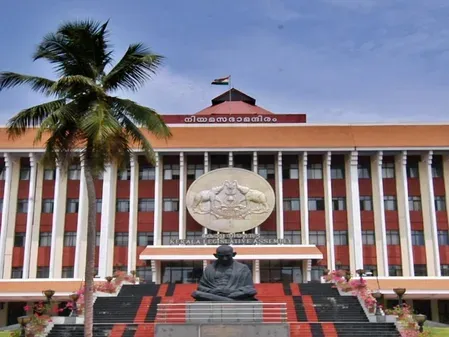
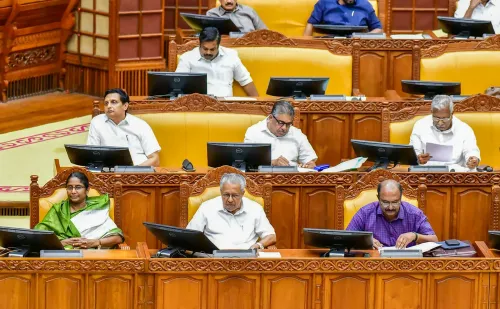
The dispute is over the Deputy Leader of Opposition post in the Kerala Assembly .
CPI is exploring the option of sitting as a separate block in the House.
CPI state secretary Binoy Viswam said the party faced internal pressure not to compromise.
CPI(M) secretary M.V.
Govindan cited precedent — both posts were held by CPI(M) when V.S.
Achuthanandan led the Opposition.
Past flashpoints include the CPI ministers' Cabinet boycott (2016-2021) and the PM-SHRI withdrawal in Vijayan's second term.
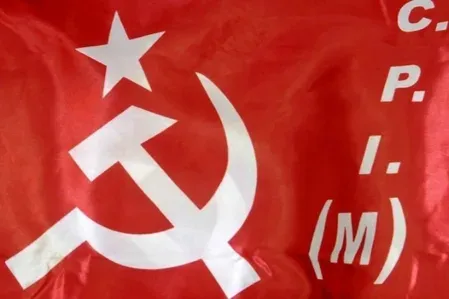
The simmering tension between the Communist Party of India (Marxist) and the Communist Party of India (CPI) spilled into the open on 3 June, after a bilateral meeting between the two state secretaries in Thiruvananthapuram ended without resolving the standoff over the Deputy Leader of Opposition post in the Kerala Assembly. The dispute has once again strained the uneasy equation within the Left Democratic Front (LDF), where the CPI — the second-largest constituent — has periodically pushed back against the dominant CPI(M) during Pinarayi Vijayan's decade in power.
What the deadlock is about
The CPI is pressing for the Deputy Opposition Leader's post, arguing that its weight within the LDF must reflect in Assembly arrangements. The CPI(M) leadership has conveyed that it is not in a position to concede the demand, leaving the talks inconclusive.
According to reports, the CPI is now weighing options that include sitting as a separate block in the Assembly, though efforts at a compromise are expected to continue before the session begins.
What the CPI said
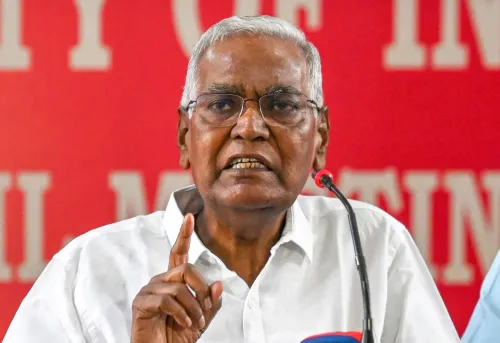
CPI state secretary Binoy Viswam made it clear that the party faced internal pressure not to compromise and expected the post as a matter of due share. ‘The CPI stands with the LDF's future. The CPI(M) should also show the same approach,' Viswam said after the failed talks.
The CPI's position is that ideological space and organisational identity within the alliance must be visibly acknowledged — not just in seat-sharing but in legislative roles.
What the CPI(M) said
State CPI(M) secretary M.V. Govindan countered that historically both the Leader and Deputy Leader posts had been held by the CPI(M). He recalled that when V.S. Achuthanandan was Leader of the Opposition, Kodiyeri Balakrishnan served as the Deputy Leader — framing the party's claim as one rooted in precedent.
A pattern of friction under Vijayan
The latest confrontation echoes a series of public disagreements between the two Left parties through Vijayan's two terms. During the first Vijayan government (2016-2021), the CPI's four ministers boycotted a weekly Cabinet meeting in protest — an unusual public display of dissent within a ruling front.
In the second term, the CPI strongly opposed implementation of the PM-SHRI programme, arguing it would dilute the principles of public education. The standoff escalated to the point where the state government informed the Centre that Kerala was withdrawing from the scheme, despite having earlier signed on.
What's next
With the Assembly session approaching and no immediate breakthrough in sight, both parties face the challenge of containing the dispute before it widens into a larger crisis within the LDF. A further round of talks is expected, even as the CPI keeps the separate-block option on the table.
Point of View
But the fight is not. For the CPI, every visible role within the LDF is a hedge against being absorbed into the CPI(M)'s shadow — a fear that has hardened through a decade of Vijayan's centralised grip. The PM-SHRI reversal showed the CPI can force outcomes when it digs in; the Cabinet boycott showed it is willing to break protocol. What looks like a procedural spat is really about whether the LDF remains a coalition or becomes a CPI(M) vehicle with junior partners.
NationPress
17 Oct 2026
Frequently Asked Questions
What is the dispute between CPI and CPI(M) in Kerala about?
The two Left parties are at odds over who gets the Deputy Leader of Opposition post in the Kerala Assembly. The CPI is demanding the post, citing its standing as the second-largest LDF constituent, while the CPI(M) has refused to concede, pointing to precedent.
Why did the 3 June meeting fail?
The bilateral meeting between the CPI(M) and CPI state secretaries in Thiruvananthapuram ended without a solution because the CPI(M) leadership conveyed it was not in a position to give up the post, while the CPI said internal pressure prevented a compromise.
What is the CPI considering next?
The CPI is reportedly exploring the option of sitting as a separate block in the Kerala Assembly. Efforts at a compromise are expected to continue before the session begins.
Have CPI and CPI(M) clashed publicly before under Pinarayi Vijayan?
Yes. During Vijayan's first term, the CPI's four ministers boycotted a Cabinet meeting in protest. In his second term, the CPI's opposition led Kerala to withdraw from the Centre's PM-SHRI school programme after initially signing on.
Who are the key leaders involved in the current standoff?
CPI state secretary Binoy Viswam is leading the demand for the post, while CPI(M) state secretary M.V. Govindan is defending his party's claim by citing the precedent of V.S. Achuthanandan as Leader of Opposition and Kodiyeri Balakrishnan as Deputy Leader.