Iran halts MoU obligations after US strikes violate ceasefire deal
Synopsis
Less than five weeks after signing a peace MoU, Iran has formally walked away from its obligations, accusing the US of launching strikes that violated every term of the deal. With 50 Iranians killed since 27 June, Gulf states intercepting Iranian drones, and Tehran declaring 'no news of negotiations,' the June ceasefire framework has effectively collapsed.
Key Takeaways
Iran has suspended its obligations under the US-Iran MoU signed on 18 June , citing American violations.
Deputy FM Kazem Gharibabadi confirmed on 19 July that there is 'no news of negotiations' and Iran is focused on national defence.
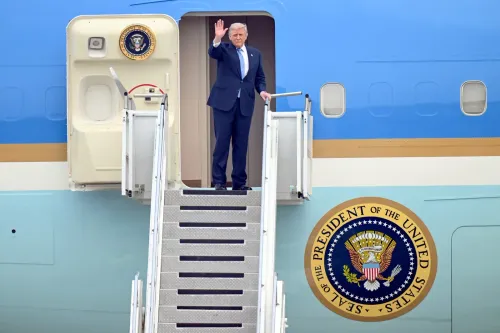
The US launched multiple strike waves on Iran's southern provinces , claiming they targeted threats to shipping in the Strait of Hormuz .
Iran retaliated with missile and drone attacks on US military bases in Gulf countries and Jordan ; Kuwait and Bahrain intercepted fresh aerial attacks on Saturday .
According to the Iranian Health Ministry , 50 people have been killed and over 500 wounded in US strikes on Iran since 27 June , including 5 women and 2 minors among the dead.
The MoU had mandated final-deal negotiations within 60 days ; those talks have now stalled entirely.
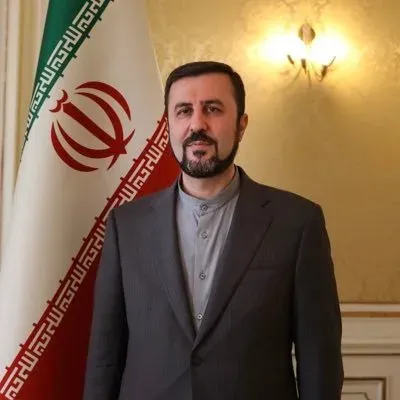
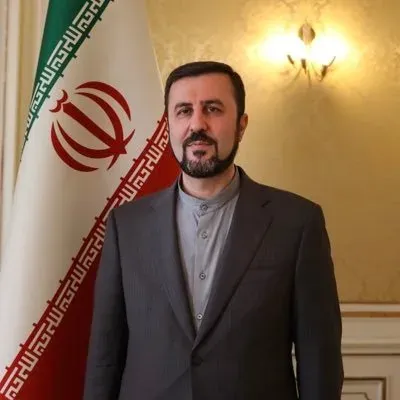
Iran has formally suspended its commitments under the peace memorandum of understanding (MoU) signed with the United States on 18 June, after Tehran accused Washington of violating the terms of the agreement through a series of military strikes. Iranian Deputy Foreign Minister for Legal and International Affairs Kazem Gharibabadi confirmed the development on 19 July, stating that the US had effectively suspended 'all its commitments' under the deal.
What Gharibabadi Said
Speaking in an interview with state-run IRIB TV, Gharibabadi said Iran is now focused squarely on national defence, adding that there is 'no news of negotiations.' He stated: 'What we are currently faced with is defending the country in a decisive manner. This time too, the Americans have already received their answer that these aggressive actions will lead nowhere. If they are wise, they should choose other solutions.'
Gharibabadi's remarks signal a significant breakdown in the diplomatic framework that had been constructed less than five weeks ago with the explicit aim of ending the regional conflict, including in Lebanon.
US Strikes and Iran's Military Response
According to reports, the United States has launched multiple waves of strikes on military sites and infrastructure across Iran's southern provinces over the past week. Washington claimed the strikes were aimed at 'degrading Iran's ability to threaten commercial shipping' through the Strait of Hormuz.
Iran responded with missile and drone attacks targeting US military bases and facilities across several Gulf countries and Jordan. On Saturday, Kuwait and Bahrain confirmed their air defence systems had intercepted fresh rounds of Iranian aerial attacks. A key oil facility and a power generation and water desalination plant in Kuwait were reportedly struck.
Civilian Casualties in Iran
Hossein Kermanpour, head of the Iranian Health Ministry's public relations, said in a Saturday social media post that 50 people have been killed and more than 500 others wounded in US strikes on Iran since 27 June. Among the dead were five women and two minors under the age of 18; the injured included 32 women and 18 minors, with 37 people still hospitalised, according to Kermanpour.
Background: The June MoU and Its Collapse
Iran and the United States signed the MoU on 18 June with the stated goal of ending hostilities across all regional fronts. Under the agreement, both sides were to begin negotiations toward a final deal within 60 days. Those talks have now stalled, with disputes over the Hormuz Strait and the latest military exchanges effectively unravelling the framework before the negotiation window had even opened.
This comes amid growing alarm among Gulf states, several of which are now directly caught in the crossfire between the two powers. With Iran formally declaring its exit from MoU obligations and no negotiations on the horizon, the path back to diplomacy appears increasingly narrow.
Point of View
500 wounded, five women and two minors among the killed — is the detail that mainstream coverage is underplaying. Gulf states are no longer bystanders: Kuwait's oil facility and desalination plant being struck changes the regional calculus significantly, and the silence from Gulf capitals will not last.
NationPress
19 Jul 2026
Frequently Asked Questions
Why has Iran suspended its MoU obligations with the United States?
Iran suspended its MoU obligations because it accuses the United States of violating the terms of the agreement through military strikes on Iranian military sites and infrastructure. Deputy Foreign Minister Kazem Gharibabadi stated on 19 July that the US had effectively suspended 'all its commitments' under the deal signed on 18 June.
What was the Iran-US MoU signed in June?
The memorandum of understanding was signed on 18 June between Iran and the United States with the aim of ending the regional conflict, including in Lebanon. Under its terms, both sides were to begin negotiations on a final settlement within 60 days.
How many people have been killed in US strikes on Iran?
According to the Iranian Health Ministry's public relations head Hossein Kermanpour, 50 people have been killed and more than 500 wounded in US strikes on Iran since 27 June. The dead include five women and two minors under the age of 18, with 37 people still hospitalised.
How has Iran responded to the US strikes?
Iran has responded with missile and drone attacks targeting US military bases and facilities in several Gulf countries and Jordan. Kuwait and Bahrain confirmed on Saturday that their air defence systems intercepted fresh rounds of Iranian aerial attacks, with a key oil facility and a power plant in Kuwait reportedly struck.
Are Iran-US negotiations still ongoing?
No. Deputy Foreign Minister Gharibabadi explicitly stated on 19 July that there is 'no news of negotiations.' Talks that were mandated within 60 days of the June MoU have stalled following disputes over the Strait of Hormuz and the latest military exchanges.