Iran Accuses US of Sabotaging Nearly-Reached Islamabad MoU
Synopsis
In a dramatic turn of events, Iran has accused the US of sabotaging a nearly finalized agreement, citing tactics of maximalism and shifting goals. As tensions escalate, both nations stand at a crossroads that could reshape diplomatic relations.
Key Takeaways
Iran accused the US of sabotaging negotiations .
The Islamabad MoU was nearly finalized after 21 hours of talks.
US Central Command announced a maritime blockade on Iranian ports.
Iranian leaders call for respect for their rights to pave the way for future agreements.
The situation highlights ongoing tensions between the nations.
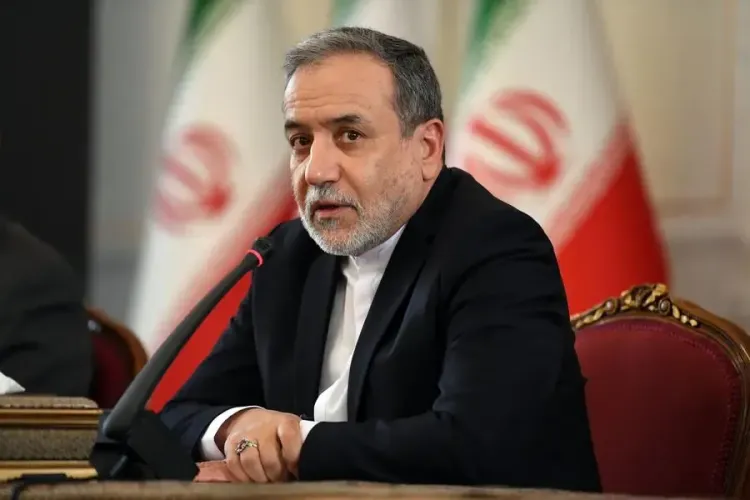
Tehran, April 13 (NationPress) Iran has accused the United States of obstructing a potentially significant agreement, stating that "maximalism, shifting goalposts, and blockade tactics" thwarted what was "inches away" from becoming the anticipated "Islamabad MoU", following 21 hours of rigorous negotiations that concluded without a resolution.
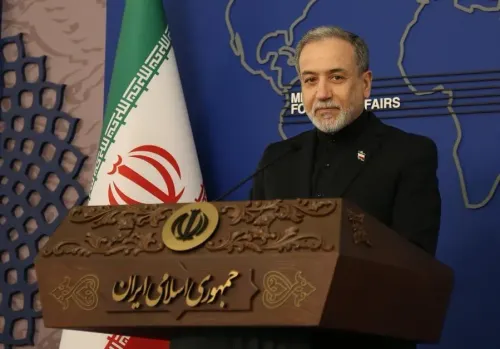
In a message on X, Iranian Foreign Minister Abbas Araghchi indicated that Tehran had engaged in its highest-level direct discussions with Washington in 47 years with genuine intentions to help alleviate the ongoing conflict. However, he expressed disappointment that there were "zero lessons learned".
His claim that both parties were "inches away" from finalizing an agreement emphasized how close the talks were to achieving success before tensions dramatically escalated in the concluding moments.
"During the high-level discussions over the past 47 years, Iran engaged with the US in good faith to end the war. However, when we were just inches away from the 'Islamabad MoU', we faced maximalism, shifting goalposts, and blockade. Zero lessons learned. Goodwill leads to goodwill; enmity leads to enmity," Araghchi posted on X.
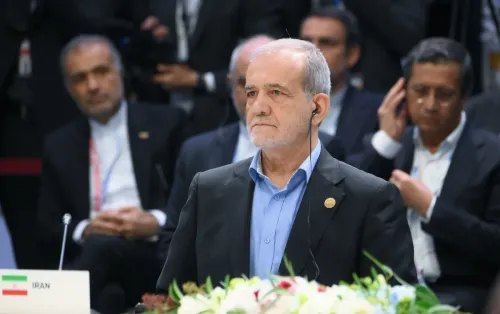
Iranian President Masoud Pezeshkian stated that the chance for a diplomatic breakthrough with the United States still remains, contingent upon a change in Washington's approach. He called on the US to relinquish what he termed "totalitarianism" and to acknowledge Iran's rights, suggesting that such a change could open pathways for an agreement.
"If the American government relinquishes its totalitarian stance and respects the rights of the Iranian nation, opportunities for reaching an agreement will certainly arise," Pezeshkian mentioned in a post on X, while commending the negotiating team.
In the meantime, the United States announced it would commence enforcing a comprehensive maritime blockade on vessels entering or exiting Iranian ports starting from April 13, escalating tensions after high-stakes discussions between Washington and Tehran failed to reach consensus on critical issues, including Iran's nuclear program.
This decision, as stated by US Central Command (CENTCOM), follows a presidential directive and will target "all maritime traffic entering and exiting Iranian ports", including those along the Arabian Gulf and Gulf of Oman.
"The blockade will be enforced impartially against vessels of all nations," CENTCOM confirmed, adding that US forces would not obstruct ships navigating the Strait of Hormuz to and from non-Iranian ports.
Commercial mariners have been alerted to monitor official navigation warnings and maintain communication with US naval forces while operating in the area.
The announcement came shortly after US President Donald Trump indicated that negotiations with Iran had stalled over its nuclear aspirations, despite advancements on other fronts.
Point of View
The recent breakdown in negotiations between Iran and the US underscores the fragile nature of international diplomacy. With both nations expressing a desire for progress, the failure to reach an agreement raises questions about the future of diplomatic relations and regional stability.
NationPress
19 Sept 2026
Frequently Asked Questions
What is the Islamabad MoU?
The Islamabad MoU refers to a proposed agreement between Iran and the US aimed at addressing key diplomatic issues and reducing tensions.
What caused the negotiations to fail?
The negotiations collapsed due to accusations of maximalism and shifting goalposts by the US, which Iran claims obstructed the agreement.
What actions has the US taken following the failed negotiations?
The US has announced a comprehensive maritime blockade on vessels entering or exiting Iranian ports, escalating tensions in the region.
How has Iran responded to the US's blockade?
Iran has expressed disappointment over the blockade, emphasizing the need for a change in US policy to facilitate future agreements.
What could be the implications of the failed negotiations?
The breakdown in talks may lead to increased tensions in the region and affect future diplomatic efforts between Iran and the US.