INDIA bloc walks out of all-party meet over NCPI rebel TMC presence
Synopsis
The INDIA bloc's walkout from the Centre's all-party meeting on 19 July was not a spontaneous protest — it was a pointed constitutional challenge. By refusing to sit alongside NCPI members whose disqualification petitions remain pending before the Speaker, the Opposition has drawn a clear line: it will not normalise what it sees as the Centre's legitimisation of an unrecognised rebel faction, and the Monsoon Session starting 20 July is set to be a battleground from day one.
Key Takeaways
The INDIA bloc walked out of the Centre's all-party meeting on 19 July in New Delhi , a day before the Monsoon Session of Parliament .
The walkout was triggered by the presence of members of the Nationalist Citizens Party of India (NCPI) , a rebel faction of the All India Trinamool Congress .
20 disqualification petitions against the rebel TMC MPs remain pending before the Speaker ; no merger has been approved.
TMC MP Mahua Moitra said the NCPI is an 'unrecognised party' and cited the 91st Constitutional Amendment to question the basis of their invitation.
Parties joining the walkout included Congress, Samajwadi Party, DMK, JMM, AAP, National Conference, Left parties, and Shiv Sena (UBT) .
The dispute sets a confrontational tone for the Monsoon Session beginning 20 July .
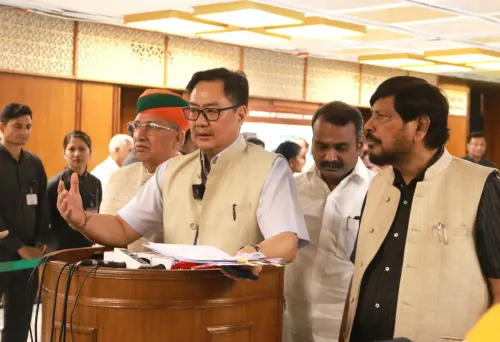
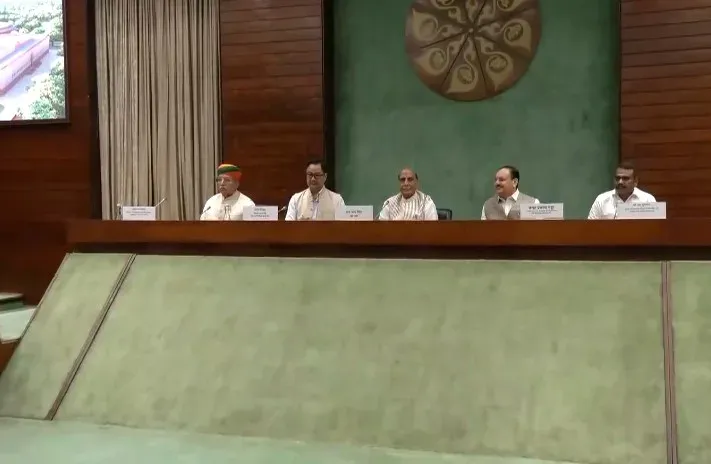
The INDIA bloc staged a dramatic walkout from the all-party meeting convened by the Centre on Saturday, 19 July, protesting the participation of members of the Nationalist Citizens Party of India (NCPI) — a rebel faction of the All India Trinamool Congress (TMC) — in official pre-session parliamentary consultations. The meeting, held at the Main Committee Room of the Parliament House Annexe in New Delhi, was called ahead of the Monsoon Session of Parliament scheduled to begin on 20 July.
Who Was in the Room
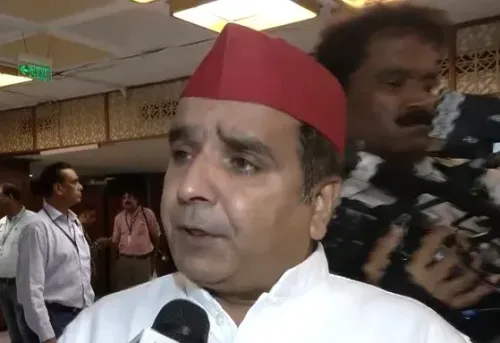
The meeting was attended by senior National Democratic Alliance (NDA) ministers including Union Parliamentary Affairs Minister Kiren Rijiju, Defence Minister Rajnath Singh, Union Health Minister J.P. Nadda, and Union Law Minister Arjun Ram Meghwal. From the Opposition, attendees included Congress MP Jairam Ramesh, NCP (SP) MP Supriya Sule, RLD MP Rajkumar Sangwan, Samajwadi Party MP Dharmendra Yadav, TMC MP Mahua Moitra, rebel TMC MP Sudip Bandyopadhyay, and JMM MP Mahua Maji, among others.
Why the Opposition Walked Out
The INDIA bloc objected to the Centre's decision to invite NCPI members — whom it described as an unrecognised political party — to a formal all-party consultation. Opposition leaders pointed out that 20 disqualification petitions against the rebel MPs remain pending and that no merger of the rebel faction has been approved by the Speaker.
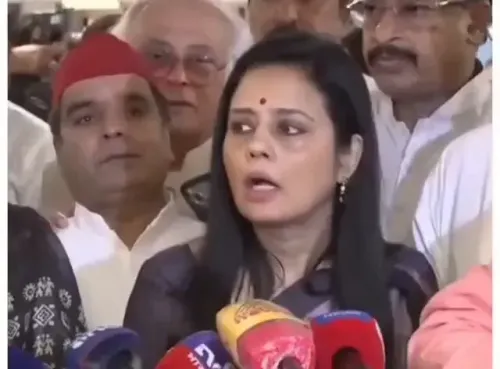
TMC MP Mahua Moitra, speaking to reporters after the walkout, said: 'Today, the entire Opposition, including the Congress, the Samajwadi Party, DMK, JMM, Aam Aadmi Party, National Conference, Left parties, and Shiv Sena (UBT), walked out of the all-party meeting in protest because the so-called NCPI is an unrecognised party. The strength of the All India Trinamool Congress, as shown in the list provided by the Table Office, is 28 members. These so-called rebel 20 MPs have not had their merger approved by the Speaker. The 20 disqualification petitions are still pending.'
Moitra further questioned the legal basis for the invitation, stating: 'After the 91st Amendment, there is no room for a separate bloc. So on what grounds did the Parliamentary Affairs Minister extend an invitation to these 20 rebel MPs, and how are they attending this meeting?'
The Constitutional Dispute at the Core
The controversy centres on the Tenth Schedule of the Constitution — the anti-defection law — and the 91st Constitutional Amendment, which closed a loophole that previously allowed legislators to avoid disqualification by forming a new group within a party. Opposition leaders argue that the rebel MPs' continued participation in official proceedings, while disqualification petitions remain pending before the Speaker, sets a dangerous precedent. Notably, this is not the first time the status of rebel MPs has disrupted pre-session consultations, but the scale of the walkout — spanning Congress, Samajwadi Party, DMK, JMM, AAP, National Conference, Left parties, and Shiv Sena (UBT) — underscores the depth of Opposition solidarity on this specific procedural objection.
What Happens Next
The walkout sets a combative tone for the Monsoon Session beginning 20 July, with the Opposition signalling it will press the question of NCPI's recognition on the floor of both Houses. The pending disqualification petitions against the 20 rebel TMC MPs are expected to remain a flashpoint throughout the session.
Point of View
The Parliamentary Affairs Ministry has handed the Opposition a legitimate grievance rather than a political one. The breadth of the walkout, spanning parties that rarely agree on anything, suggests the Opposition sensed an opportunity to project unity on a defensible procedural point ahead of a session likely to be contentious on multiple fronts. The real question is whether the Speaker will allow this ambiguity over NCPI's status to persist through the session, or resolve it before it becomes a floor disruption.
NationPress
18 Oct 2026
Frequently Asked Questions
Why did the INDIA bloc walk out of the all-party meeting on 19 July?
The INDIA bloc walked out to protest the Centre's invitation to members of the Nationalist Citizens Party of India (NCPI), a rebel TMC faction it describes as an unrecognised party. The bloc argued that 20 disqualification petitions against the rebel MPs remain pending before the Speaker, and no merger has been approved, making their presence at official parliamentary consultations constitutionally untenable.
What is the NCPI and why is its status disputed?
The NCPI (Nationalist Citizens Party of India) is a rebel faction of the All India Trinamool Congress whose 20 MPs broke away from the parent party. Their status is disputed because the Speaker has not approved any formal merger, and 20 disqualification petitions filed against them under the anti-defection law remain pending.
What did TMC MP Mahua Moitra say after the walkout?
Mahua Moitra told reporters that the entire Opposition walked out because the NCPI is an unrecognised party, that the TMC's official strength per the Table Office remains 28 members, and that the 91st Constitutional Amendment leaves no room for a separate bloc. She questioned the Parliamentary Affairs Minister's basis for inviting the rebel MPs.
Which parties participated in the INDIA bloc walkout?
According to Mahua Moitra, the walkout included Congress, Samajwadi Party, DMK, JMM, Aam Aadmi Party, National Conference, Left parties, and Shiv Sena (UBT), among others.
What is the significance of this walkout ahead of the Monsoon Session?
The walkout signals that the INDIA bloc intends to press the question of NCPI's recognition on the floor of Parliament when the Monsoon Session opens on 20 July. The pending disqualification petitions are expected to remain a flashpoint throughout the session.