Opposition Walks Out of All-Party Meet Over TMC MP Disqualification Row
Synopsis
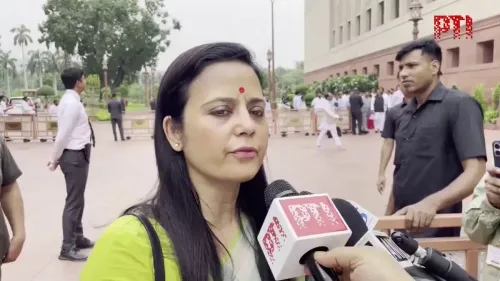
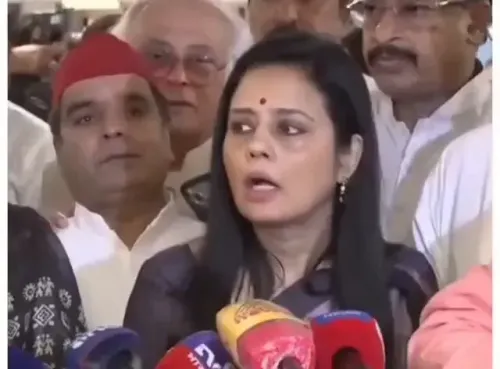
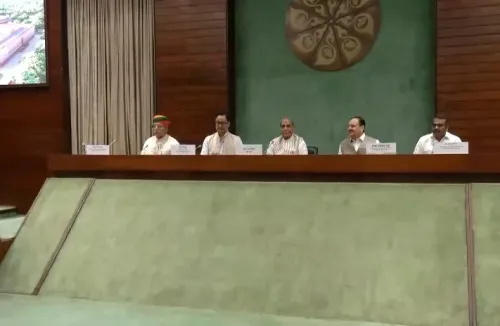
All opposition parties walked out of an all-party meeting on 19 July 2026, protesting the Modi government's decision to invite NCPI, which TMC MP Mahua Moitra says is a 'parking place' for 20 TMC MPs whose disqualification petitions remain pending before the Lok Sabha Speaker.
Key Takeaways
All opposition parties staged a walkout from an all-party meeting on 19 July 2026 as a mark of protest.
TMC MP Mahua Moitra said the protest was against the Modi government's decision to invite NCPI to the meeting.
She described NCPI as a 'parking place' for 20 TMC MPs she characterised as 'traitors' who have allegedly defected from the party.
The final decision on the disqualification of these MPs is still pending before the Lok Sabha Speaker under the Tenth Schedule of the Constitution.
The walkout reflects a broader pattern of opposition parties contesting government control over parliamentary and pre-session forums.
The episode is expected to heighten pressure on the Speaker to expedite rulings on the pending disqualification petitions.
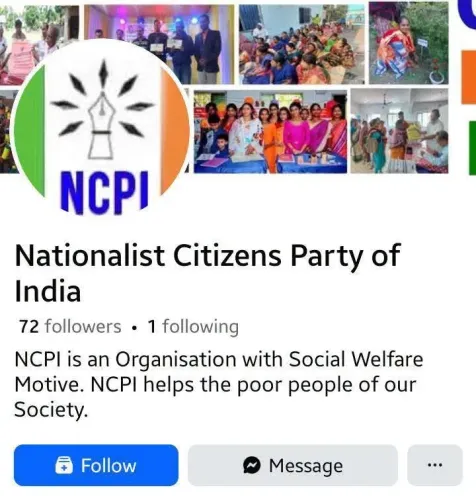
TMC MP Mahua Moitra announced on Sunday, 19 July 2026 that all opposition parties staged a walkout from an all-party meeting to protest the Modi government's decision to invite the National Congress of Parliamentary India (NCPI) — a body she described as a 'parking place' for 20 TMC MPs whose disqualification petitions are still pending before the Lok Sabha Speaker.
Context
Moitra, posting on X, stated that opposition parties walked out 'for a few minutes as mark of protest' against what she characterised as the government's decision to seat legislators whose political status remains legally unresolved. The core grievance is that these 20 TMC MPs — whom she labelled 'traitors' — have been extended a platform through the NCPI even as a final ruling on their disqualification under the Tenth Schedule of the Constitution has not been delivered by the Speaker.
The walkout was described as collective, involving all opposition parties present at the meeting, signalling coordinated displeasure rather than a unilateral TMC gesture.
Policy Backdrop
The Tenth Schedule, inserted into the Constitution in 1985, empowers the Lok Sabha Speaker to adjudicate disqualification petitions against members who are alleged to have defected from their original party. Until the Speaker delivers a verdict, the status of such members — and their right to participate in parliamentary forums — remains a contested grey area.
Opposition parties have historically used walkouts from all-party meetings to register procedural objections, with similar episodes recorded during the 15th and 16th Lok Sabha terms over questions of privilege and legislative scheduling. The current episode fits a recurring pattern in which the government and opposition clash over who controls access to parliamentary processes.
Stakeholders and Impact
The immediate stakeholders are the 20 TMC MPs whose disqualification petitions are pending, the broader INDIA bloc opposition parties, and the Lok Sabha Speaker's office, which holds the constitutional authority to resolve the disqualification question. For Trinamool Congress, the episode is particularly charged: the MPs in question are seen by the party as having crossed the floor, making their continued participation in any government-convened forum a point of acute political sensitivity.
The walkout also has implications for the functioning of all-party meetings as a consensus-building mechanism. If opposition parties refuse to participate when they believe the invited composition is illegitimate, the forum's utility as a pre-session dialogue platform is diminished.
What's Next
Attention will now focus on the Lok Sabha Speaker's timeline for delivering rulings on the pending disqualification petitions. A decision in favour of disqualification would vindicate the opposition's position; a delayed or adverse ruling would likely intensify calls for reform of the anti-defection adjudication process. The episode is expected to cast a shadow over the conduct of the upcoming parliamentary session and any further all-party consultations convened by the government.
Point of View
The government has handed the opposition a procedural grievance that is difficult to dismiss. The Tenth Schedule was designed to deter floor-crossing, but its effectiveness hinges entirely on the Speaker's willingness to adjudicate promptly — a pressure point the opposition is now exploiting publicly. For TMC, the episode serves a dual purpose: it signals party discipline and frames the rebel MPs as government-aligned actors even before a formal disqualification verdict. The pattern of such walkouts, repeated across multiple Lok Sabha terms, suggests that all-party meetings are increasingly becoming political battlegrounds rather than genuine consensus forums.
NationPress
18 Oct 2026
Frequently Asked Questions
Why did opposition parties walk out of the all-party meeting on 19 July 2026?
All opposition parties walked out to protest the Modi government's decision to invite NCPI to the meeting. TMC MP Mahua Moitra said NCPI is a 'parking place' for 20 TMC MPs whose disqualification petitions are still pending before the Lok Sabha Speaker.
What is NCPI and why is it controversial?
NCPI, as referenced by Mahua Moitra, is described as a grouping that includes TMC MPs accused of defecting from the party. The opposition objects to these MPs being given a platform in government-convened forums while their disqualification cases remain unresolved.
What is the Tenth Schedule and how does it apply here?
The Tenth Schedule, added to the Indian Constitution in 1985, is the anti-defection law that empowers the Lok Sabha Speaker to disqualify MPs who switch party allegiance. The 20 TMC MPs in question have disqualification petitions pending under this provision.
What happens if the Lok Sabha Speaker delays ruling on disqualification petitions?
If the Speaker delays a ruling, the MPs in question continue to function in their roles, which the opposition argues allows the government to benefit from their presence in forums like all-party meetings. Prolonged delays have historically led to calls for constitutional reform of the anti-defection adjudication process.
Has the opposition staged similar walkouts from all-party meetings before?
Yes. Opposition parties have walked out of all-party and parliamentary meetings on procedural grounds during the 15th and 16th Lok Sabha terms as well, typically over issues of privilege, legislative scheduling, or the composition of invited participants.