20 rebel TMC MPs catapult NCPI from fringe party to Lok Sabha force
Synopsis
A party that polled fewer than 2,000 votes in its only election and holds just ₹1.13 lakh in donations has overnight become a potential fifth-largest force in the Lok Sabha — because 20 rebel TMC MPs chose it as their vehicle to defect without losing their seats. The NCPI's sudden rise is less a political story than a constitutional one about how India's anti-defection law can be legally gamed.
Key Takeaways
20 rebel TMC MPs merged with the Nationalist Citizens Party of India (NCPI) on 15 June , potentially making it the fifth-largest party in the Lok Sabha .
NCPI now claims 20 West Bengal seats in the Lower House — more than BJP (12) and TMC (8) combined from the state.
The NCPI is a Registered Unrecognised Political Party (RUPP) , registered in January 2023 , with total donations of just ₹1.13 lakh .
In its only electoral outing — the 2023 Tripura Assembly polls — the party's three candidates polled fewer than 2,000 votes in total.
The merger is widely seen as a move to bypass anti-defection laws and align the rebel MPs with the BJP-led NDA .
The NCPI's new parliamentary status is subject to approval by the Lok Sabha Speaker ; its ECI recognition status remains unchanged.
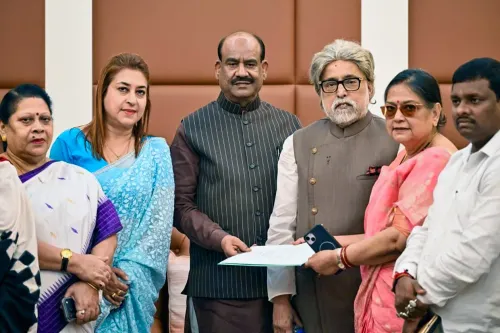
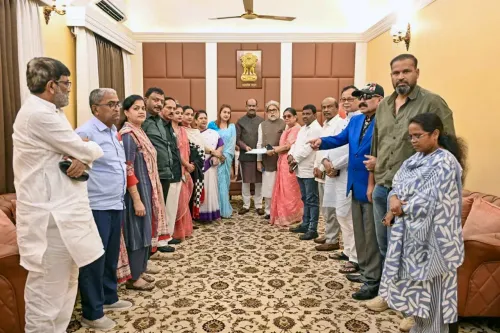
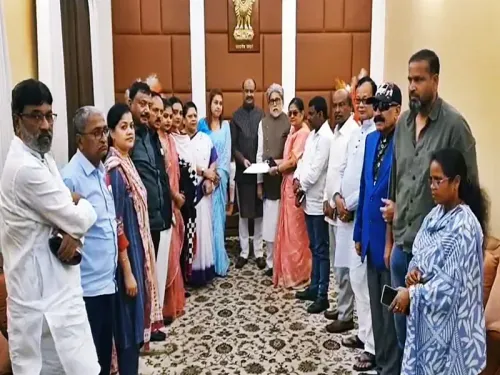
The Nationalist Citizens Party of India (NCPI), a political outfit virtually unknown before the weekend, was catapulted onto the national stage on Sunday, 15 June after 20 rebel Trinamool Congress (TMC) MPs merged with it — potentially making it the fifth-largest party in the Lok Sabha if the Speaker approves the merger. The development has upended West Bengal's parliamentary arithmetic overnight.
The Numbers Shift in West Bengal
On Monday, 16 June, the NCPI posted a graphic on its Facebook handle titled 'West Bengal Lok Sabha seat – Party-wise breakdown', claiming 20 seats in the Lower House. By that count, the NCPI would hold more seats than the Bharatiya Janata Party (BJP)'s 12 and the Trinamool Congress (TMC)'s 8 combined. The Indian National Congress (Congress) holds one seat, while the Basirhat constituency remains vacant following the death of its sitting member.
What the NCPI Actually Is
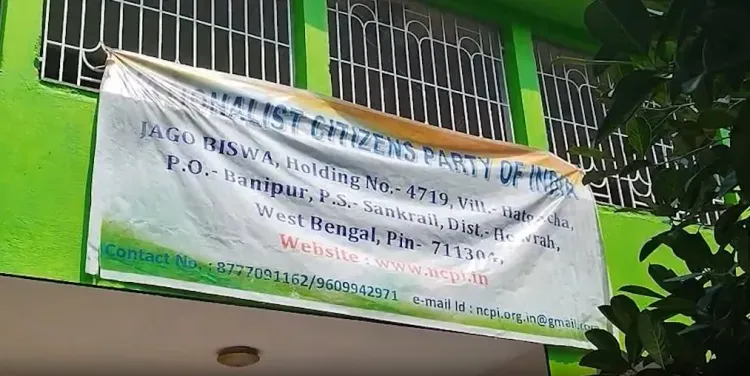
Registered in January 2023, the NCPI is listed with the Election Commission of India (ECI) as a Registered Unrecognised Political Party (RUPP). That status means it is legally constituted but enjoys none of the privileges of a recognised state or national party — no reserved election symbol, no free airtime on state media, and no subsidised campaign facilities. Recognition requires consistent electoral performance and meeting prescribed vote-share or seat thresholds.
Financially, available records show total donations of just ₹1.13 lakh, reflecting an extremely limited resource base. The party is reportedly registered at an address in Bankra town, Howrah district, West Bengal.
A Negligible Electoral Track Record
The NCPI's only known electoral outing was the 2023 Tripura Assembly elections, where it fielded candidates in seven constituencies. Four nominations were reportedly rejected on technical grounds. Of the three who contested, candidate Barjeda Tripura in the Chawamanu seat secured just 536 votes — under 1.4% of valid votes. In Kailashahar, the NCPI candidate received only 286 votes. Across all three candidates, the party polled fewer than 2,000 votes in total.
The party is led by president Uttiya Kundu, who is reportedly known to have close links with several political leaders. Treasurer Shewly Kundu is linked to social work organisations and private enterprises registered at the same Bankra address. Another name that has surfaced in reports is Shantanu Dey, who has spoken publicly about the party's stated focus on advocating for deprived tribal communities in areas governed by Tripura's Autonomous District Council.
The Anti-Defection Angle
The merger of the 20 rebel TMC MPs is widely seen as a manoeuvre to circumvent anti-defection provisions under the Tenth Schedule of the Constitution, which bars individual MPs from switching parties without losing their seats. A merger of at least two-thirds of a parliamentary party into another party is legally permissible under existing rules. The move is reportedly aimed at aligning the rebel group with the BJP-led National Democratic Alliance (NDA).
What Happens Next
The NCPI's new parliamentary weight remains contingent on the Lok Sabha Speaker's recognition of the merger. If approved, the party would leapfrog from obscurity to a significant bloc in the 545-seat Lower House. However, its RUPP status with the ECI would not automatically change — that requires electoral performance, not parliamentary headcount. Whether the NCPI can translate its sudden legislative presence into ground-level political organisation and future electoral success remains the central question.
Point of View
However obscure, to be legally valid. Twenty MPs have effectively used a shell with ₹1.13 lakh in its coffers and a sub-2,000-vote electoral history as a constitutional instrument. Parliament's anti-defection rules were designed to prevent horse-trading; this episode illustrates how the merger exception, intended to protect genuine ideological realignments, can be repurposed for tactical bloc-building. The Speaker's ruling on this merger will be a test of whether the Tenth Schedule's intent can be upheld against its letter.
NationPress
15 Sept 2026
Frequently Asked Questions
What is the Nationalist Citizens Party of India (NCPI)?
The NCPI is a Registered Unrecognised Political Party (RUPP) registered with the Election Commission of India in January 2023. It has negligible electoral history — its three candidates polled fewer than 2,000 votes in the 2023 Tripura Assembly elections — and available records show total donations of just ₹1.13 lakh.
Why did 20 TMC MPs merge with the NCPI?
The merger is widely seen as a move to circumvent anti-defection laws, which bar individual MPs from switching parties without losing their seats. By merging as a group into an existing registered party, the rebel MPs can legally align with the BJP-led NDA without disqualification, according to reports.
Could the NCPI become the fifth-largest party in the Lok Sabha?
Potentially yes, if the Lok Sabha Speaker approves the merger. With 20 MPs, the NCPI would rank among the larger blocs in the Lower House. However, Speaker approval is not automatic, and the party's RUPP status with the Election Commission would not change on the basis of parliamentary headcount alone.
What is the NCPI's current recognition status with the Election Commission?
The NCPI is listed as a Registered Unrecognised Political Party (RUPP), meaning it is legally constituted but does not qualify as a state or national party. It has no reserved election symbol and is not entitled to free airtime on state media or subsidised campaign facilities. Recognition requires meeting prescribed vote-share or seat thresholds in elections.
How does this change West Bengal's parliamentary representation?
If the merger is recognised, the NCPI would hold 20 of West Bengal's Lok Sabha seats — more than the BJP's 12 and the TMC's 8 from the state combined. Congress holds one seat, and the Basirhat constituency is currently vacant after the death of its sitting member.