Why rebel Trinamool MPs joined NCPI instead of seizing party control
Synopsis
Rebel Trinamool MPs had the numbers in the Lok Sabha but not the legal leverage — Trinamool's own constitution keeps organisational power above elected representatives, making a logo-and-funds grab nearly impossible. Add alleged BJP orchestration and Mamata's swift dismantling of internal committees, and the rebels' pivot to a little-known Tripura outfit starts to look less like a retreat and more like a calculated workaround.
Key Takeaways
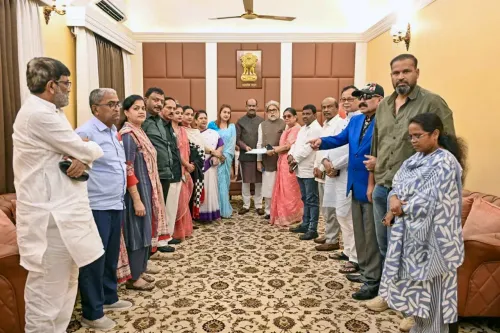
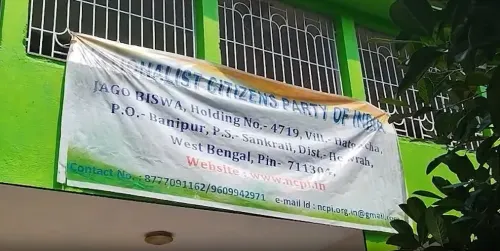
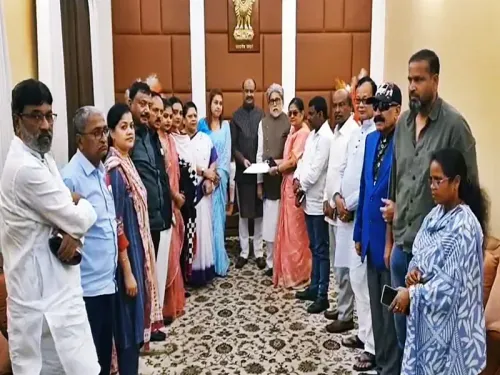
Rebel Trinamool Congress MPs chose to join the Nationalist Citizens Party of India (NCPI) , a Tripura -based outfit, instead of attempting a formal Lok Sabha Parliamentary party takeover.
Under Trinamool's party constitution filed with the ECI , organisational office-bearers — not elected MPs or MLAs — hold supreme authority, making a logo or funds grab legally difficult.
The national working committee , centred on Mamata Banerjee and General Secretary Abhishek Banerjee , remains the party's highest decision-making body under the revised constitution.
CPI(M) Rajya Sabha MP Bikas Ranjan Bhattacharya alleges the strategy shift was orchestrated by the BJP , citing rebel MP meetings at Union Minister Bhupendra Yadav 's New Delhi residence.
Mamata Banerjee pre-empted a repeat of the Assembly rebellion by dissolving all internal party committees and reconstituting them with loyalists, preserving control of the national working committee.
Rebel Trinamool Congress MPs have opted to join the Nationalist Citizens Party of India (NCPI) — a little-known, Tripura-based outfit — rather than attempt a formal takeover of the party's Parliamentary group in the Lok Sabha, where they reportedly hold a numerical majority. Political observers and legal experts point to two distinct factors that appear to have driven the last-minute change in strategy.
The Party Constitution Barrier
The first and perhaps most decisive factor is the structure of Trinamool Congress's own party constitution, as filed with the Election Commission of India (ECI). Under the original constitution submitted at the party's founding, the state executive committee was designated the highest decision-making authority. A subsequent revision elevated the national working committee — anchored around the party chairperson, West Bengal Chief Minister Mamata Banerjee — to that supreme position.
'So as per both the original party constitution as well as the amended party constitution, in Trinamool Congress the organisation office-bearers within the party enjoy more control than the elected public representatives like the MPs and MLAs,' a city-based political observer noted.
In practical terms, this means that even if the rebel MPs commanded a numerical majority in the Lok Sabha Parliamentary party, the organisation's internal command structure — firmly centred on Mamata Banerjee and her nephew, party General Secretary Abhishek Banerjee — would have made it legally and procedurally difficult to wrest control of the party's logo or accumulated funds. According to the observer, that realisation prompted the rebels to abandon the takeover route at the eleventh hour.
The BJP Factor
The second factor, according to CPI(M) Rajya Sabha member and senior advocate Bikas Ranjan Bhattacharya, is the role allegedly played by the Bharatiya Janata Party (BJP). Bhattacharya argues that the entire episode is orchestrated by the BJP, pointing to a series of meetings the rebel MPs held at the New Delhi residence of senior BJP leader and Union Minister Bhupendra Yadav.
'The main intention of the BJP is to get the support of the rebel Trinamool Congress MPs in passing important bills on the floor of Parliament. Hence, they took no chance, and instead of continuing with the efforts of taking control of Trinamool Congress' Parliamentary party in the Lok Sabha, the new strategy of rebel MPs joining a new party was worked out,' Bhattacharya said.
How Mamata Blocked a Repeat of the Assembly Playbook
The rebel bloc had earlier succeeded in assembling a majority among Trinamool's legislators in the West Bengal Assembly, reportedly drawing the support of 60 out of 80 elected party MLAs. Observers believe this precedent initially encouraged the MPs to attempt a similar manoeuvre in Parliament.
However, Mamata Banerjee's swift counter-moves after the Assembly bloc formed appear to have closed off that option at the national level. She reportedly dissolved all existing internal party committees and affiliated mass-organisation committees almost immediately, replacing them with new bodies stocked with loyalists. This effectively preserved her grip over the national working committee even as she lost numerical control in both the Lok Sabha Parliamentary party and the state legislative group.
'So, despite losing control over her Parliamentary team in Lok Sabha and legislative team in West Bengal Assembly, Mamata Banerjee continues her control in the national working committee of the party,' the political observer said.
What Comes Next
The rebel MPs' merger with the NCPI raises fresh questions about the party's future recognition status, floor strength in the Lok Sabha, and the ECI's adjudication of the Trinamool symbol dispute. Legal challenges from both sides are widely anticipated, and the episode marks one of the most significant internal ruptures in Trinamool Congress since the party's formation.
Point of View
And Trinamool's is a textbook case. Mamata Banerjee's rapid dissolution of internal committees after the Assembly rebellion was not improvisation — it was institutional self-preservation, and it worked. The BJP's alleged role as a backstop for the rebels also deserves scrutiny: if the end goal is Parliamentary floor support, the NCPI route offers a cleaner, less litigable path than a messy ECI symbol dispute. The real story here is not a party split — it is a demonstration of how party law in India systematically advantages incumbents over dissidents, regardless of numerical strength.
NationPress
16 Sept 2026
Frequently Asked Questions
Why did rebel Trinamool MPs join the NCPI instead of taking over the Lok Sabha Parliamentary party?
Two factors reportedly drove the decision. First, Trinamool's party constitution — as filed with the ECI — places supreme authority in the national working committee, which is controlled by Mamata Banerjee, not elected MPs. This made seizing the party logo and funds legally difficult even with a numerical majority. Second, political observers allege that the BJP, whose support the rebels reportedly needed, preferred the cleaner route of a new-party merger over a protracted ECI dispute.
What is the Nationalist Citizens Party of India (NCPI)?
The NCPI is a Tripura-based political party described by observers as virtually non-existent at the national level. The rebel Trinamool MPs announced their decision to merge with it on 15 June, a move that avoids the legal complications of contesting Trinamool's official party structure and ECI-registered symbol.
How does Trinamool Congress's party constitution prevent a rebel takeover?
Under both the original and revised Trinamool constitutions submitted to the ECI, organisational office-bearers — such as the state executive committee and later the national working committee — hold more authority than elected representatives like MPs and MLAs. Since the national working committee is firmly controlled by Mamata Banerjee and Abhishek Banerjee, a Parliamentary majority alone cannot translate into control over the party logo or funds.
What role does the BJP allegedly play in the rebel Trinamool MPs' strategy?
CPI(M) Rajya Sabha member and senior advocate Bikas Ranjan Bhattacharya has alleged that the BJP orchestrated the rebels' strategy shift, citing a series of meetings the rebel MPs held at Union Minister Bhupendra Yadav's New Delhi residence. He argues the BJP's primary interest is securing the rebels' votes for key bills in Parliament.
How did Mamata Banerjee prevent the Lok Sabha rebellion from mirroring the West Bengal Assembly split?
After rebels secured the support of 60 out of 80 Trinamool MLAs in the West Bengal Assembly, Mamata Banerjee immediately dissolved all internal party committees and reconstituted them with loyalists. This pre-emptive move preserved her hold over the national working committee, effectively closing off the same playbook at the Parliamentary level.