NCPI eyes Parliament debut as 20 TMC rebels reshape Lok Sabha dynamics
Synopsis
A party that won just 822 votes in its only election is now the fifth-largest in the Lok Sabha — because 20 TMC rebels chose it as their merger vehicle. The NCPI's overnight rise is less a political story than a constitutional stress test: can India's anti-defection law be legally bypassed by merging into a shell outfit? The Speaker's ruling will decide.
Key Takeaways
20 dissident TMC MPs declared a merger with the Nationalist Citizens Party of India (NCPI) , making it the fifth-largest party in the Lok Sabha overnight.
The NCPI had previously contested only the 2023 Tripura Assembly elections , securing just 822 votes and winning no seats.
Sudip Bandopadhyay named Floor Leader, Shatabdi Roy Deputy Leader, and Kakoli Ghosh Dastidar Chief Whip of the new parliamentary group.
The rebels claim protection under Paragraph 4 of the Tenth Schedule ; legal experts remain divided on whether the clause applies.
TMC's Abhishek Banerjee has urged Lok Sabha Speaker Om Birla to deny recognition and disqualify the breakaway MPs.
As of reporting, the Speaker had not granted recognition; the Lok Sabha website still listed 28 seats for the Trinamool Congress.
The Nationalist Citizens Party of India (NCPI) is set to make its parliamentary debut at the Monsoon Session beginning Monday, 20 July, after 20 dissident All India Trinamool Congress (TMC) MPs — representing a two-thirds majority of the party's Lok Sabha strength — declared a merger with the little-known outfit, triggering one of the most dramatic political realignments in recent Indian history.
Key Developments
On Wednesday, 15 July, the NCPI congratulated its newly constituted parliamentary leadership through a series of posts on Facebook. The party had earlier declared Sudip Bandopadhyay as its Floor Leader, Shatabdi Roy as Deputy Leader, and Kakoli Ghosh Dastidar as Chief Whip in the Lok Sabha. Bandopadhyay subsequently announced that the group would represent the 'real Trinamool' in Parliament, starting with the upcoming Monsoon Session.
From Obscurity to the Fifth-Largest Lok Sabha Party
The NCPI's sudden rise is remarkable by any measure. The party, with its registered headquarters in Kolkata, contested the 2023 Tripura Assembly elections without winning a single seat — securing a total of just 822 votes. It had never contested a Lok Sabha election. Yet, the merger of 20 rebel TMC MPs has catapulted it to become the fifth-largest party in the Lok Sabha and, reportedly, the second-largest ally within the ruling National Democratic Alliance (NDA) after the Bharatiya Janata Party (BJP) itself. For context, Andhra Pradesh's Telugu Desam Party (TDP) holds 16 seats and Bihar's Janata Dal (United) holds 12 seats in the lower house.
The rebel MPs have written to Lok Sabha Speaker Om Birla seeking formal recognition and have indicated their intent to extend support to the NDA — a sharp departure from the Trinamool's earlier position.
The Anti-Defection Question
Legal and constitutional experts remain sharply divided on whether the merger shields the rebel MPs from disqualification under India's anti-defection law. The rebels claim protection under Paragraph 4 of the Tenth Schedule of the Constitution, which exempts legislators from disqualification when at least two-thirds of a party's parliamentary membership agrees to a merger. However, some legal opinions contend that the word 'party' in the relevant paragraph refers to the political organisation itself — not merely its lawmakers — raising doubts about whether the provision can be invoked in this manner.
Critics in certain political circles have labelled the move a 'shell-party' tactic, arguing that the machinery of a virtually unknown party is being used as a vehicle for political realignment and legal protection, rather than reflecting any genuine ideological shift.
TMC Pushes Back
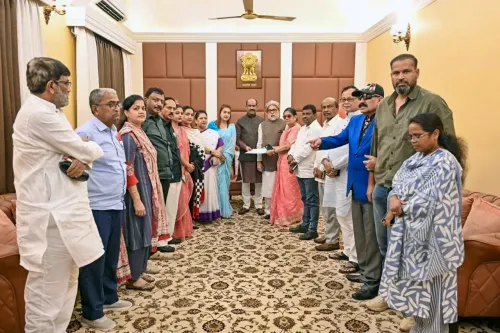
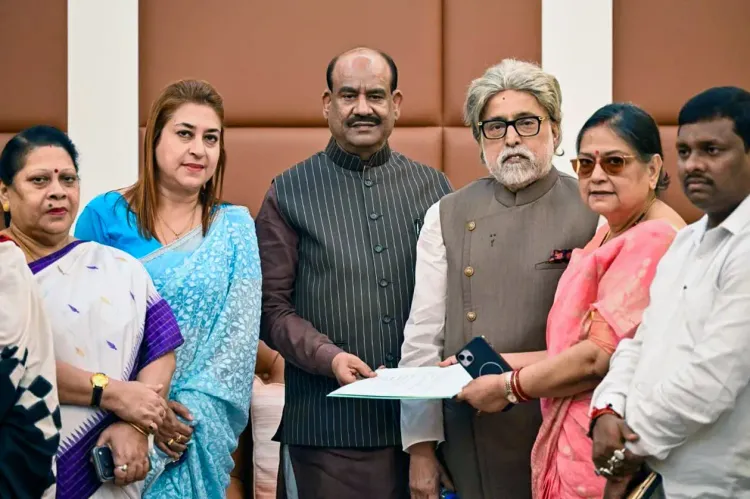
The Trinamool Congress has mounted a formal challenge. TMC General Secretary and MP Abhishek Banerjee led a party delegation to meet Speaker Om Birla, contesting the legitimacy of the breakaway faction and urging the Speaker not to recognise the group. Banerjee sought the disqualification of the rebel MPs under the Tenth Schedule of the Constitution.
As of the time of reporting, the Speaker had not granted official recognition to the NCPI parliamentary group. The Lok Sabha's official website continued to list 28 seats under the Trinamool Congress. Despite this, the rebel MPs remain confident of vindication and have scheduled a meeting of their new parliamentary party for Sunday.
The Broader Democratic Debate
The episode has reignited a long-standing debate about the limits of India's anti-defection framework. Critics argue that legislative power should flow from electoral mandates — from votes cast for a party — rather than from post-election political manoeuvres. They contend that such realignments create a disconnect between the elected and the electorate, undermining voter representation. Supporters of the move, however, argue that the Tenth Schedule's merger clause exists precisely to allow such transitions within the law's boundaries. The Speaker's eventual ruling is expected to set a significant precedent.
Point of View
It will effectively render the anti-defection law a procedural obstacle rather than a democratic safeguard. The real casualty here is voter agency: the constituents who elected these MPs under the TMC banner had no say in this switch, and the 'shell-party' route ensures they never will.
NationPress
14 Oct 2026
Frequently Asked Questions
What is the NCPI and how did it suddenly gain prominence in the Lok Sabha?
The Nationalist Citizens Party of India (NCPI) is a Kolkata-registered party that had previously contested only the 2023 Tripura Assembly elections, winning no seats and securing just 822 votes. It gained sudden national prominence when 20 dissident TMC MPs declared a merger with the party, making it the fifth-largest group in the Lok Sabha without contesting a single Lok Sabha election.
Who are the parliamentary leaders of the new NCPI group?
The NCPI parliamentary group has named Sudip Bandopadhyay as Floor Leader, Shatabdi Roy as Deputy Leader, and Kakoli Ghosh Dastidar as Chief Whip in the Lok Sabha. Bandopadhyay has said the group will represent the 'real Trinamool' in Parliament starting with the Monsoon Session from 20 July.
Are the rebel TMC MPs protected from disqualification under the anti-defection law?
The rebel MPs claim protection under Paragraph 4 of the Tenth Schedule, which exempts legislators from disqualification if two-thirds of a party's parliamentary membership agrees to a merger. However, legal opinions differ — some experts argue the clause refers to the political organisation itself, not just its lawmakers, casting doubt on whether the protection applies in this case.
What has the Trinamool Congress done to challenge the merger?
TMC General Secretary and MP Abhishek Banerjee led a party delegation to meet Lok Sabha Speaker Om Birla, urging him not to recognise the breakaway group and to disqualify the rebel MPs under the Tenth Schedule of the Constitution. As of reporting, the Speaker had not issued a ruling and the Lok Sabha website still showed 28 seats for the TMC.
What broader constitutional questions does this episode raise?
The episode has reignited debate about whether India's anti-defection framework can be legally bypassed by merging into a little-known 'shell party.' Critics argue such manoeuvres create a disconnect between elected representatives and the voters who chose them, while supporters contend the Tenth Schedule's merger clause exists to permit exactly such transitions. The Speaker's eventual ruling is expected to set a significant constitutional precedent.