20 TMC MPs join NCPI: Tripura leaders upbeat as Bengal party gains spotlight
Synopsis
A little-known Bengal-registered party with just 822 votes in Tripura's 2023 elections is suddenly in the national spotlight — because around 20 sitting TMC Lok Sabha MPs have reportedly joined it. Whether the NCPI converts this moment into a durable political force, or fades as a footnote of TMC's internal crisis, is the question political observers are now watching closely.
Key Takeaways
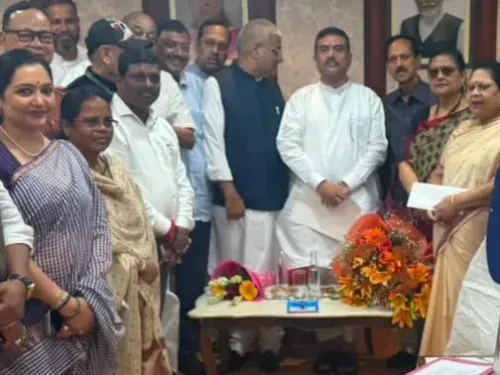
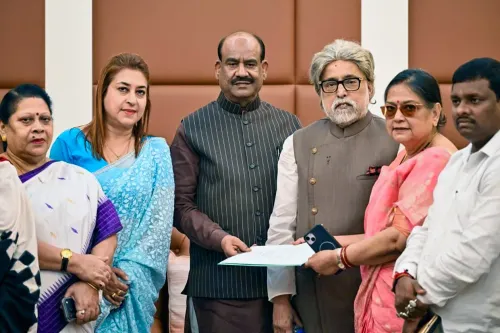
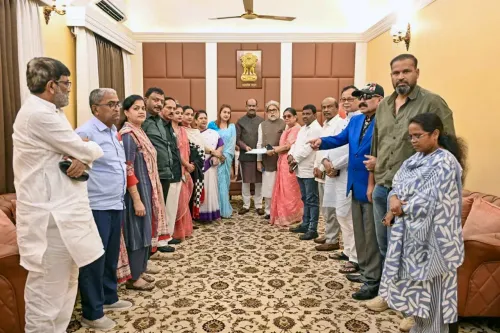
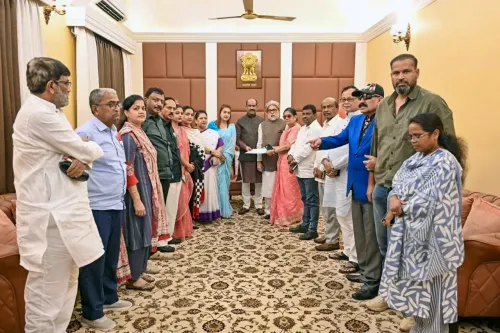
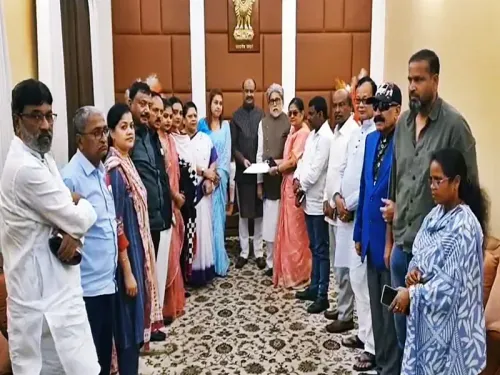
Around 20 dissident TMC Lok Sabha MPs have reportedly joined the Nationalist Citizens Party of India (NCPI) , a registered-unrecognised party from Howrah, West Bengal .
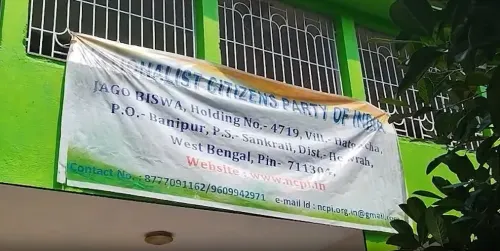
The NCPI was founded by lawyer Shewly Kundu ; her husband Uttiyo Kundu serves as Vice-President .
In the 2023 Tripura Assembly elections , the party's two candidates combined for just 822 votes — 0.03% of valid votes — and both forfeited security deposits.
Tripura's NCPI base grew largely from former TMC leaders, including State Convener Dilwar Hossain Khan Zakir and ex-candidate Jahangir Ali .
Political observers say the party's future will hinge on the performance and cohesion of the dissident TMC MPs who have joined it.
The Nationalist Citizens Party of India (NCPI), a little-known political outfit registered in West Bengal's Howrah district, has moved to the centre of political discussion following reports that around 20 dissident Trinamool Congress (TMC) Lok Sabha members from Bengal have announced their decision to join the party. The development has generated considerable interest in Tripura, where the NCPI has a limited but active organisational footprint.
What the NCPI Is and Where It Stands
Founded by lawyer Shewly Kundu, the NCPI is listed by the Election Commission of India (ECI) as a 'registered (unrecognised) political party' and has been allotted the election symbol 'pen nib with seven rays'. Uttiyo Kundu, Shewly Kundu's husband, serves as a Vice-President of the party. Both leaders are residents of West Bengal.
The party had made limited organisational inroads in Tripura and the Northeast over the past few years, operating largely on the fringes of mainstream politics. Its electoral record reflects that marginal status.
NCPI's Tripura Electoral Record
During the 2023 Tripura Assembly elections, the NCPI initially planned to contest in five of the state's 60 constituencies, but the nomination papers of three candidates were rejected on technical grounds. Two candidates ultimately entered the fray: Jahangir Ali, aged 54, contested from the Kailashahar constituency in Unakoti district, while Barjeda Tripura, aged 65, stood from the tribal-reserved Chawmanu constituency in Dhalai district.
The results were negligible. The two candidates together secured only 822 votes — just 0.03% of valid votes polled in those constituencies. Barjeda Tripura received 536 votes in Chawmanu; Jahangir Ali received 286 votes in Kailashahar. Both candidates forfeited their security deposits. Since those elections, the NCPI has remained largely inactive in both Tripura and West Bengal.
Roots of NCPI's Tripura Presence
The party's organisational expansion in Tripura was largely driven by a section of former TMC leaders and workers who fell out with the Trinamool's state unit. Jahangir Ali was previously associated with the Communist Party of India (Marxist) before joining the TMC following the political transition in Tripura in 2018. He later served as a block-level President of the TMC until 2023.
Dilwar Hossain Khan Zakir was the President of the Unakoti District Youth Trinamool Congress until 2023. According to party sources, differences began surfacing within the Trinamool's Tripura unit ahead of the 2023 Assembly elections after senior TMC leader and former Rajya Sabha member Sushmita Dev was entrusted with organisational responsibilities in the state. Disagreements over candidate selection reportedly triggered the split, prompting Ali, Zakir, and others to leave the TMC and join the NCPI at the invitation of founder Shewly Kundu.
Party representatives from West Bengal subsequently held a series of meetings across Tripura to consolidate the NCPI's base. Zakir was later appointed State Convener of the NCPI in Tripura.
What Tripura Leaders Are Saying
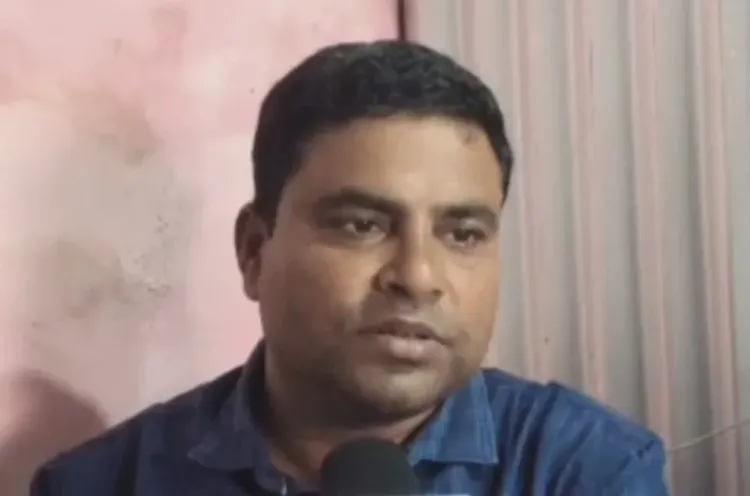
Reacting to the renewed national attention surrounding the party, Tripura State Convener Dilwar Hossain Khan Zakir and former NCPI candidate Jahangir Ali separately expressed optimism about the party's prospects. 'We are very happy that the 20 TMC MPs have joined the NCPI. Their entry will help expand the party further in Tripura, West Bengal and other parts of the country,' Zakir said.
Both leaders indicated that the growing national discussion around the NCPI has injected fresh momentum into efforts to build an alternative political platform outside the Trinamool, and expressed confidence about strengthening the party's organisational network in Tripura over the coming months.
What Political Observers Say
Political analysts believe the NCPI's future significance will depend almost entirely on the trajectory of the dissident TMC MPs. Observers note that the coming months will determine whether the party remains a subject of temporary political curiosity or evolves into a more substantial force in national politics. This comes amid broader signs of internal turbulence within the All India Trinamool Congress (TMC), making the NCPI's sudden visibility a barometer of dissent within one of Bengal's dominant parties.
Point of View
Win seats, and hold its new members together under electoral pressure — none of which its track record yet supports.
NationPress
19 Sept 2026
Frequently Asked Questions
What is the Nationalist Citizens Party of India (NCPI)?
The NCPI is a registered-unrecognised political party headquartered in Howrah, West Bengal, founded by lawyer Shewly Kundu. It holds the election symbol 'pen nib with seven rays' as assigned by the Election Commission of India, and has a limited organisational presence in Tripura and the Northeast.
Why has the NCPI suddenly come into the spotlight?
The party gained national attention following reports that around 20 dissident Trinamool Congress (TMC) Lok Sabha members from Bengal announced their decision to join the NCPI. This has triggered political discussion across West Bengal and Tripura about the party's potential as an alternative platform.
How did the NCPI perform in the 2023 Tripura Assembly elections?
The NCPI's two candidates in the 2023 Tripura Assembly elections secured a combined total of just 822 votes — 0.03% of valid votes in those two constituencies. Both candidates forfeited their security deposits, and the party has remained largely inactive in Tripura since then.
Who are the key NCPI leaders in Tripura?
The NCPI's Tripura unit is led by State Convener Dilwar Hossain Khan Zakir, a former President of the Unakoti District Youth Trinamool Congress, and former candidate Jahangir Ali, who previously held a block-level TMC presidency. Both joined the NCPI after falling out with the TMC ahead of the 2023 state elections.
What do political observers say about the NCPI's future?
Analysts believe the NCPI's political relevance will depend almost entirely on the trajectory of the dissident TMC MPs who have joined it. If those MPs remain cohesive and contest elections successfully, the party could gain traction; otherwise, observers suggest it risks remaining a temporary point of political curiosity.