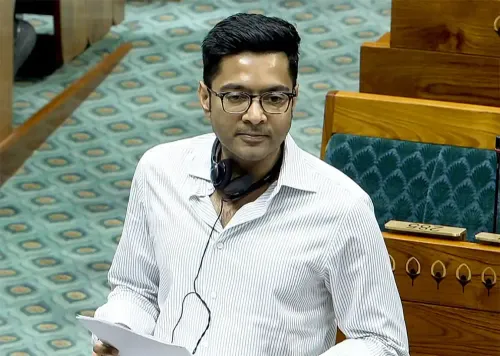
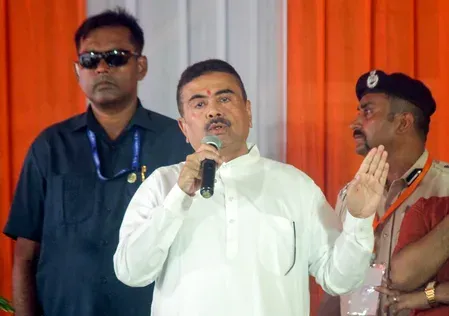
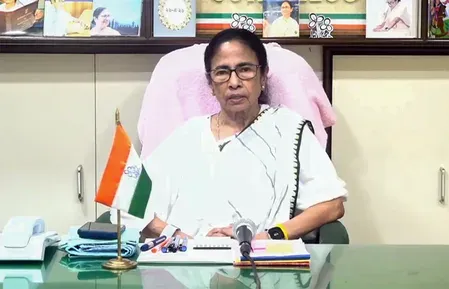
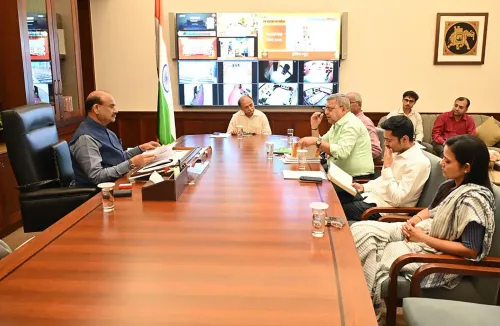
Abhishek Banerjee writes to LS Speaker on 20 TMC MPs' disqualification

Synopsis
Trinamool Congress has formally escalated its fight against 20 of its own Lok Sabha MPs who defected to the unrecognised NCPI. With no hearing in five weeks and the Union government treating the defectors as a separate group at an all-party meeting, Abhishek Banerjee's letter to the Speaker is both a legal nudge and a political signal — the party will not let the defection go unchallenged.
Key Takeaways
Abhishek Banerjee wrote to Lok Sabha Speaker Om Birla on 27 July seeking expeditious disposal of disqualification petitions against 20 TMC MPs .
The 20 MPs , elected on Trinamool Congress tickets in 2024 , defected to the National Citizens' Party of India (NCPI) after West Bengal Assembly poll results.
Disqualification is sought under the Tenth Schedule of the Constitution and the Members of Lok Sabha (Disqualification on Ground of Defection) Rules, 1985 .
More than five weeks have passed since the petitions were filed with no hearing or notice issued.
The Union Parliamentary Affairs Minister invited the 20 MPs as a separate group to an all-party meeting on 19 July , adding urgency to the matter.
Trinamool Congress General Secretary Abhishek Banerjee on Monday, 27 July wrote to Lok Sabha Speaker Om Birla, urging him to expeditiously decide on the disqualification petitions filed against 20 Trinamool Congress Lok Sabha members who defected to the National Citizens' Party of India (NCPI) shortly after the West Bengal Assembly election results were declared. The letter marks a formal escalation by the party in a case that has now remained without a hearing for over five weeks.
Background of the Defection
The 20 MPs in question were elected in the 2024 Lok Sabha elections on Trinamool Congress tickets. Following the West Bengal Assembly poll results, they reportedly aligned themselves with the NCPI — described in Banerjee's letter as an unrecognised political formation with no representation or recognised status in Parliament or any state legislature. Disqualification has been sought under the Tenth Schedule of the Constitution and Rule 6 of the Members of Lok Sabha (Disqualification on Ground of Defection) Rules, 1985.
What Abhishek Banerjee Argued
In his letter, Abhishek Banerjee — also the nephew of party supremo and former West Bengal Chief Minister Mamata Banerjee — contended that the petitions were accompanied by a detailed factual and legal representation establishing why the defecting members' conduct attracts anti-defection provisions. He stressed that despite more than five weeks having elapsed since the petitions were filed, no hearing had been scheduled and no notice had been issued to the concerned members.
'Such continued inaction is a matter of grave concern. It is well settled that the Constitutional jurisdiction vested in the Hon'ble Speaker under Paragraph 6 of the Tenth Schedule is required to be exercised within a reasonable time so as to preserve the efficacy and purpose of the anti-defection law. An unduly prolonged pendency of disqualification proceedings frustrates the constitutional objective of the Tenth Schedule, permits the continuance of an uncertainty that the Constitution seeks to avoid, and risks rendering the safeguards embodied in the anti-defection law ineffective,' Banerjee wrote, according to reports.
The All-Party Meeting Flashpoint
Banerjee further flagged that the urgency of the matter had been heightened by a decision of the Union Parliamentary Affairs Minister to invite the 20 MPs as a separate group to an all-party meeting held on 19 July. He argued that such developments underscored the need for an expeditious determination, as the continued uncertainty over the members' status risked undermining both the Tenth Schedule's efficacy and the integrity of parliamentary proceedings.
What the Tenth Schedule Requires
India's anti-defection law, enshrined in the Tenth Schedule of the Constitution, empowers the Speaker to disqualify a member who voluntarily gives up party membership or votes against the party's direction. Constitutional jurisprudence has consistently held that the Speaker must decide such petitions within a reasonable timeframe. Critics argue that prolonged inaction effectively rewards defection by allowing members to continue drawing parliamentary privileges while their status remains unresolved.
What Happens Next
The ball is now in Lok Sabha Speaker Om Birla's court. If the Speaker issues notices and schedules hearings, the matter could move swiftly; if inaction continues, Trinamool Congress may explore legal remedies before the courts. The outcome will have direct implications for the political standing of the 20 MPs and could set a precedent for how swiftly the Speaker's office acts on anti-defection petitions in future cases.
Point of View
Who continue to enjoy full parliamentary standing in the interim. The Union government's decision to seat the 20 MPs as a distinct group at an all-party meeting suggests New Delhi may be treating their new affiliation as a fait accompli, even before any constitutional determination. Trinamool's letter is as much a pressure tactic as a legal filing: by going on record about the delay, the party sets up a potential court challenge if inaction continues. The broader question — whether the Speaker's office can remain a passive actor on anti-defection petitions without undermining the Tenth Schedule — is one the Supreme Court has previously flagged but never definitively resolved.
NationPress
26 Oct 2026
Frequently Asked Questions
Why did Abhishek Banerjee write to the Lok Sabha Speaker?
Abhishek Banerjee wrote to Lok Sabha Speaker Om Birla on 27 July to urge him to expeditiously decide disqualification petitions filed against 20 Trinamool Congress MPs who defected to the NCPI after the West Bengal Assembly election results. He flagged that over five weeks had passed without a hearing or notice being issued.
Which law governs the disqualification of the 20 TMC MPs?
The disqualification is sought under the Tenth Schedule of the Constitution — India's anti-defection law — and Rule 6 of the Members of Lok Sabha (Disqualification on Ground of Defection) Rules, 1985. These provisions empower the Speaker to disqualify members who voluntarily give up party membership or align with a rival formation.
What is the NCPI that the 20 MPs joined?
The National Citizens' Party of India (NCPI) is described in Banerjee's letter as an unrecognised political formation with no representation or recognised status in Parliament or any state legislature in India. The 20 MPs reportedly aligned with it shortly after the West Bengal Assembly election results were announced.
Why did the all-party meeting on 19 July add urgency to the case?
The Union Parliamentary Affairs Minister invited the 20 defecting MPs as a separate group — distinct from the Trinamool Congress — to the all-party meeting held on 19 July. Banerjee argued this development underscored the need for an urgent ruling, as the continued uncertainty over their status risks undermining parliamentary integrity.
What happens if the Speaker does not act on the petitions?
If the Speaker continues to delay, Trinamool Congress may explore legal remedies before the courts. Constitutional jurisprudence holds that the Speaker must decide anti-defection petitions within a reasonable time; prolonged inaction can be challenged judicially, and the Supreme Court has previously commented on the need for timely disposal of such proceedings.