TMC signature forgery row: CID summons Abhishek Banerjee after West Bengal poll rout
Synopsis
Just weeks after a landslide election defeat, the Trinamool Congress is engulfed in a signature forgery scandal over its own Opposition nominations — with the CID summoning Abhishek Banerjee, two sitting MLAs alleging internal forgery and promptly being expelled, and Mamata Banerjee going live on social media to call them saboteurs. Political observers say this is the worst multi-front crisis the party has faced since its founding in 1998.
Key Takeaways
Trinamool Congress submitted a resolution on 6 May nominating Opposition leaders in the West Bengal Assembly ; signature mismatches triggered a CID probe.
Abhishek Banerjee , party General Secretary and nephew of Mamata Banerjee , was served a CID notice on 30 May and sought a 15-day extension citing health reasons after an alleged assault in Sonarpur .
Two TMC legislators — Ritabrata Banerjee and Sandipan Saha — told the Speaker's office that signatures on the resolution were forged; the party expelled both within minutes.
Mamata Banerjee alleged in a live social media message that the expelled MLAs had been sabotaging the party from within.
Political observers describe this as the gravest simultaneous crisis for the TMC since its founding on 1 January 1998 .
The Trinamool Congress (TMC) is confronting what political observers describe as the gravest crisis in its history, after a signature forgery controversy surrounding a key legislative resolution triggered a Criminal Investigation Department (CID) probe and the expulsion of two sitting party legislators — all within weeks of a landslide defeat in the West Bengal Assembly elections.
The Signature Row: How It Began
The trouble started after the TMC, now reduced to the principal Opposition in the West Bengal Assembly, submitted a resolution dated 6 May to the Assembly Secretariat, nominating names for the posts of Leader of Opposition, two Deputy Leaders of the Opposition, and Chief Whip. Prior to the resolution, Abhishek Banerjee, the party's General Secretary and a sitting Lok Sabha member, had written to the Secretariat nominating Sovandeb Chattopadhyay as Leader of Opposition, Nayna Bandyopadhyay and Asima Patra as Deputy Leaders, and Firhad Hakim — also the Mayor of Kolkata — as Chief Whip.
Speaker Rathindra Bose insisted that a resolution bearing the signatures of TMC legislators accompany the nominations. When the document was examined, mismatches in certain signatures were detected, prompting a referral to the CID of the West Bengal Police.
CID Summons Abhishek Banerjee
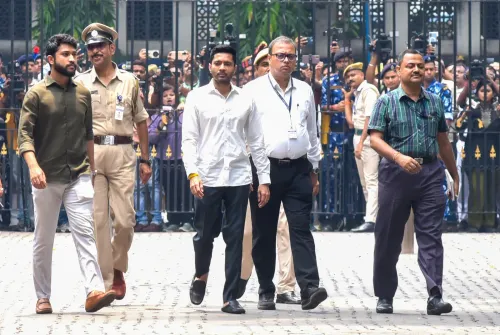
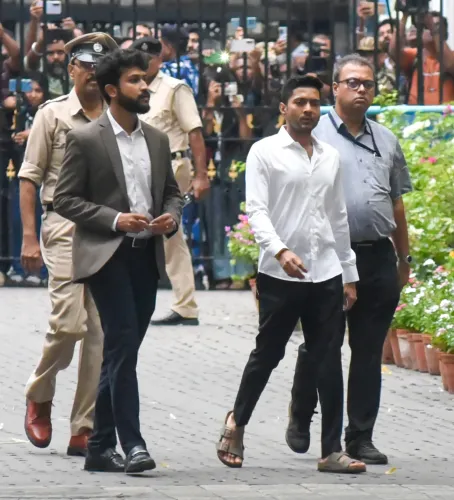
The crisis deepened significantly on 30 May, when a CID team served a notice on Abhishek Banerjee — nephew of former Chief Minister Mamata Banerjee — seeking his appearance for questioning. He was scheduled to present himself at CID headquarters by 12 noon on Monday, but sought a 15-day extension, citing his physical condition following an alleged assault at Sonarpur in South 24 Parganas district on 30 May. By Monday evening, a CID team had reached his residence on Kalighat Road in south Kolkata, with questioning reportedly possible later that night.
Two MLAs Allege Forgery; TMC Expels Them
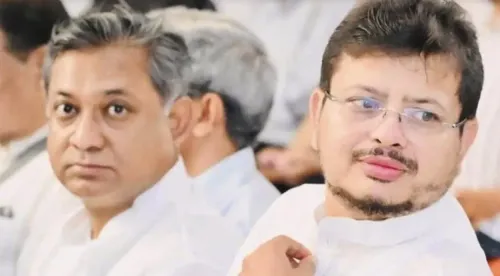
Chief Minister Suvendu Adhikari disclosed on Monday afternoon that the CID probe had been set in motion after two elected TMC legislators — Ritabrata Banerjee and Sandipan Saha — formally informed the Speaker's office that signatures of some party colleagues on the resolution had been forged. Within minutes of the Chief Minister's statement, the TMC announced the expulsion of both legislators on charges of anti-party activities.
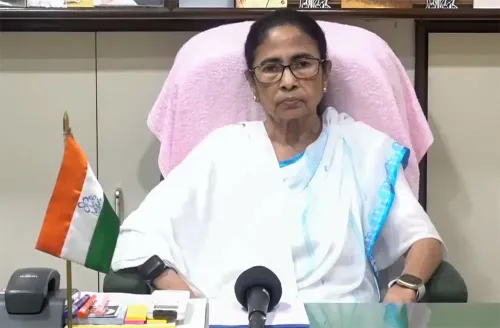
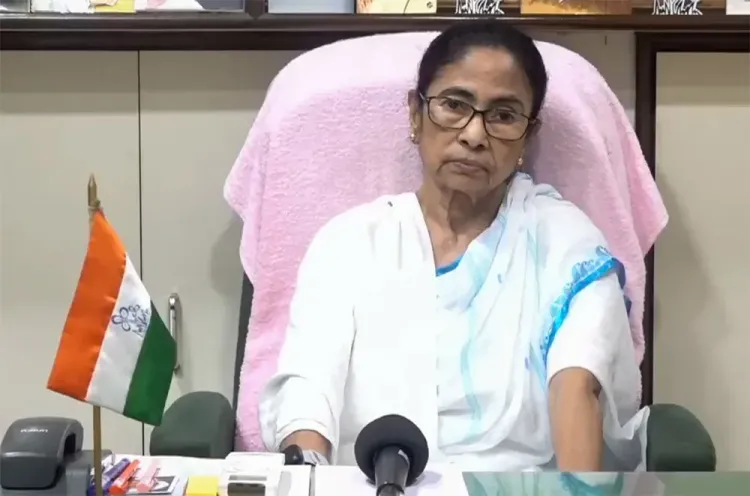
Notably, former Chief Minister Mamata Banerjee, in a live social media message, alleged that the two expelled lawmakers had been working to destabilise the party from within after winning election on a TMC ticket.
The Deeper Crisis: Post-Poll Turbulence
This comes amid a broader unravelling for the TMC following its 4 May poll defeat. The signature row is the third major blow in quick succession: first the election rout, then reports of internal rebellion among party leaders and elected representatives, and now a criminal investigation touching the party's top leadership. Political observers in Kolkata note that the TMC has not faced such simultaneous pressures at any point since Mamata Banerjee founded the party on 1 January 1998, after breaking away from the Indian National Congress.
'First came the landslide defeat on May 4. It was followed by internal rebellion from party leaders and elected representatives such as MPs and legislators. Now there is the legislators' signature mismatch controversy. It remains to be seen whether Mamata Banerjee is able to bring her party out of the crisis, as she has done several times in the past, or whether the Trinamool Congress will slide into a deeper crisis, if not total disintegration,' said a city-based political observer.
What Happens Next
The CID investigation is ongoing, and it remains unclear whether Abhishek Banerjee will formally appear for questioning in the coming days. The Assembly Secretariat has yet to formally recognise the Opposition nominations pending resolution of the signature dispute. With two legislators already expelled and a criminal probe under way, the TMC's ability to function effectively as the principal Opposition — let alone stabilise internally — faces a significant test.
Point of View
The crisis is no longer about one disputed resolution — it is about whether the central command still commands. The TMC's reflex of instant expulsion may silence dissent in the short term, but it does not address the underlying fracture: legislators who won on the party ticket now apparently feel safer blowing the whistle than staying quiet. Mamata Banerjee has navigated existential crises before, but those were largely external; this one is structural and self-inflicted.
NationPress
17 Oct 2026
Frequently Asked Questions
What is the TMC signature forgery controversy in the West Bengal Assembly?
It refers to alleged mismatches in the signatures of Trinamool Congress legislators on a resolution nominating party members for key Opposition posts in the West Bengal Assembly. The matter was referred to the CID of the West Bengal Police after the discrepancies were noticed by the Speaker's office.
Why was Abhishek Banerjee summoned by the CID?
Abhishek Banerjee, the TMC's General Secretary and a Lok Sabha member, was served a CID notice on 30 May in connection with the signature mismatch case. He sought a 15-day extension, citing his physical condition after an alleged assault at Sonarpur on the same date.
Who are Ritabrata Banerjee and Sandipan Saha, and why were they expelled?
They are two elected TMC legislators who informed the Speaker's office that signatures on the party's legislative resolution had been forged. The TMC expelled both within minutes of Chief Minister Suvendu Adhikari publicly disclosing their complaint, citing anti-party activities.
How serious is this crisis for the Trinamool Congress?
Political observers describe it as the worst multi-front crisis the party has faced since Mamata Banerjee founded it on 1 January 1998. It follows in quick succession: an election defeat on 4 May, internal rebellion among leaders and legislators, and now a criminal investigation touching the party's top leadership.
What happens next in the TMC signature mismatch case?
The CID investigation is ongoing. Abhishek Banerjee has yet to formally appear for questioning, and a CID team reached his Kalighat Road residence on Monday evening. The West Bengal Assembly Secretariat has not yet formally recognised the Opposition nominations pending resolution of the dispute.