TMC MLA signature fraud deepens party crisis after Bengal poll rout
Synopsis
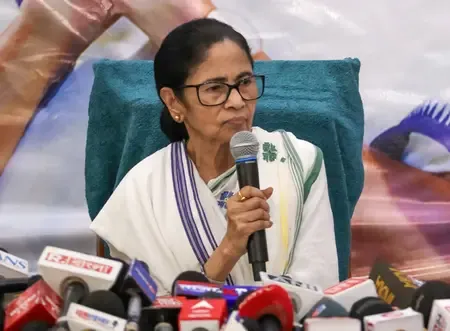
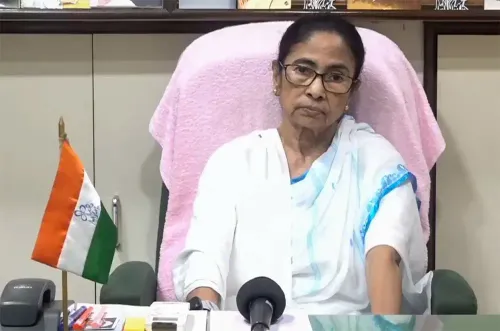
The alleged fraudulent signing of TMC MLAs' names has done more than trigger two expulsions — it has ripped open years of suppressed dissent inside a party already shattered by its Bengal election defeat. With Abhishek Banerjee under CID scrutiny and senior legislators openly blaming the 'aunt-nephew duopoly' for the rout, Mamata Banerjee's grip on her own organisation — and her ambitions as a national opposition leader — are both under serious strain.
Key Takeaways
The Trinamool Congress expelled MLAs Sandipan Saha and Ritabrata Banerjee on Monday after they raised objections over an alleged MLA signature fraud.
Abhishek Banerjee , TMC General Secretary and Mamata Banerjee's nephew, has reportedly been summoned by the West Bengal CID for questioning.
At least three MLAs reportedly blamed the 'brutal imposition' of Abhishek Banerjee's candidate choices for the party's election defeat at a post-poll review meeting.
Mamata Banerjee lost her own seat in Bhabanipur to former aide Suvendu Adhikari , now the state's Chief Minister.
The controversy is seen as undermining Mamata Banerjee's push to lead the anti-BJP INDIA bloc at the national level.
Critics trace the party's current crisis to the gradual departure of key organisational figures including Mukul Roy and Suvendu Adhikari, both of whom later joined the BJP .
The Trinamool Congress (TMC) is confronting what critics describe as an existential crisis, with the alleged fraudulent signing of elected MLAs' names emerging as the latest flashpoint in a party already reeling from a decisive defeat in the West Bengal Assembly elections. The leadership's decision on Monday to expel two sitting MLAs — widely seen as an attempt to suppress internal dissent — has instead amplified scrutiny of the party's organisational health and its top leadership.
The Signature Controversy at the Centre
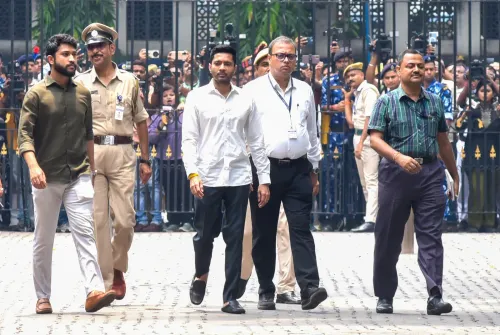
At the heart of the dispute is a document bearing the signature of Abhishek Banerjee, TMC General Secretary and nephew of party chief Mamata Banerjee, which allegedly fraudulently carried the endorsement of multiple MLAs. The West Bengal CID has reportedly sought Abhishek Banerjee's presence for questioning in connection with the matter.
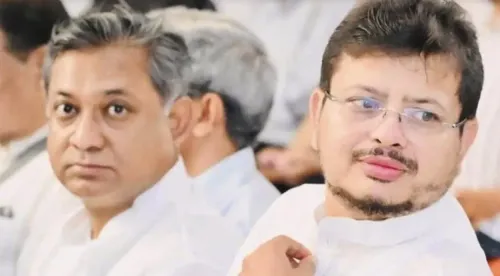
The party's response was swift but, critics argue, counterproductive: MLAs Sandipan Saha and Ritabrata Banerjee were expelled after they raised formal objections. Their removal, rather than drawing a line under the controversy, has drawn further attention to what dissidents describe as a culture of enforced loyalty over accountability.
Dissent Surfaces at Post-Election Review
The expulsions did not occur in a vacuum. According to reports, at least three elected MLAs openly confronted the party leadership at a post-election review meeting, attributing the electoral debacle to what they called the 'brutal imposition' of Abhishek Banerjee's candidate choices. The two expelled MLAs were reportedly among this group.
A third legislator, identified in reports as Kunal Ghosh, posted his reservations on Facebook without elaborating, while simultaneously declaring his intent to remain within the party. The episode underscores a fracture that the leadership has so far been unable to contain.
A Defeat That Went Beyond the Numbers
The TMC's poll reversal was compounded by a particularly symbolic loss: Mamata Banerjee herself was defeated in Bhabanipur by her former aide Suvendu Adhikari, who is now the state's Chief Minister. Detractors have projected this not merely as a personal setback but as evidence of a structural political collapse.
Since the defeat, Mamata Banerjee has sought to position herself as a rallying point for the anti-Bharatiya Janata Party (BJP) grouping under the INDIA platform. However, analysts note that her credibility as an opposition anchor is undermined when her own organisation is visibly fracturing — calls for unity carry less weight when internal discord is playing out in public.
Organisational Decline: A Decade in the Making
The current crisis did not emerge overnight. In the party's formative years of opposition, figures such as Mukul Roy and Suvendu Adhikari were instrumental in building TMC's organisational machinery. Roy's statewide network and Adhikari's ground leadership of the Nandigram movement were credited with dismantling the Left Front's hold on Bengal.
As Mamata Banerjee became increasingly absorbed in governance — managing welfare programmes, administrative challenges, and statecraft — her organisational grip weakened, something she has reportedly acknowledged on multiple occasions. Into that vacuum stepped Abhishek Banerjee, who sought to modernise the party apparatus by bringing in professional political consultants, data analytics, and corporate-style campaign management.
Critics, however, argue that this approach lacked the instinctive understanding of Bengal's complex political terrain that had historically defined the TMC's grassroots strength. Several senior leaders felt sidelined; Roy and Adhikari eventually defected to the BJP, taking organisational networks with them. Others became embroiled in corruption controversies.
The 'Aunt-Nephew Duopoly' and Its Fallout
The concentration of authority in the hands of Mamata Banerjee and Abhishek Banerjee — described by critics as an 'aunt-nephew duopoly' — became a source of growing resentment within the party. Mamata Banerjee's public attempts to curb corruption, including visible rebukes over the issue of 'cut money', failed to produce lasting change. Infighting, leaked communications, and public disputes exposed an organisation increasingly at war with itself.
The alleged fraudulent MLA signatures are now being read by observers as the culmination of years of organisational decay — a moment when the machinery's vulnerability to manipulation became impossible to deny. Whether the leadership can arrest this decline, or whether the expulsions mark the beginning of a deeper rupture, remains to be seen.
Point of View
Top-down campaign management created a party that could win cycles on Mamata's personal appeal but had no institutional immune system against the kind of manipulation now alleged. The CID's interest in Abhishek Banerjee is the variable that could determine whether this remains a manageable internal crisis or escalates into something the leadership cannot contain through expulsions alone.
NationPress
20 Sept 2026
Frequently Asked Questions
What is the TMC MLA signature controversy?
The controversy centres on a document that allegedly bore the fraudulently signed names of multiple Trinamool Congress MLAs, with TMC General Secretary Abhishek Banerjee's signature also appearing on it. The West Bengal CID has reportedly sought Abhishek Banerjee's presence for questioning in connection with the matter.
Why were MLAs Sandipan Saha and Ritabrata Banerjee expelled from TMC?
Both MLAs were expelled on Monday after they raised formal objections regarding the alleged signature fraud. Their expulsion is widely seen as an attempt by the party leadership to suppress dissent rather than address the underlying issue.
How does this controversy affect Mamata Banerjee's national political standing?
Mamata Banerjee has been trying to consolidate the anti-BJP INDIA bloc since the TMC's Bengal election defeat. The public display of internal discord and the CID probe involving her nephew Abhishek Banerjee are likely to weaken her credibility as an opposition unifier, according to political analysts.
Who is Abhishek Banerjee and what is his role in the TMC?
Abhishek Banerjee is the nephew of TMC chief Mamata Banerjee and serves as the party's General Secretary. He has been credited with modernising the party's campaign infrastructure but has also drawn criticism for sidelining experienced grassroots leaders and for his centralised control over candidate selection.
What is the broader context behind TMC's current internal crisis?
The crisis has been building for years, accelerated by the departure of key organisational figures such as Mukul Roy and Suvendu Adhikari to the BJP, recurring corruption controversies, and growing resentment over what critics call an 'aunt-nephew duopoly' at the party's helm. The Bengal election defeat and Mamata Banerjee's personal loss in Bhabanipur brought these fault lines into the open.