CPI(M) eyes Bengal opposition space as Trinamool factionalism deepens
Synopsis
With only one MLA in the West Bengal Assembly, the CPI(M) is betting that Trinamool Congress's internal split — between Mamata Banerjee's camp and a rebel majority faction — has created the biggest opposition vacuum in over a decade. The party is moving fast on three targeted issues to fill it before anyone else does.
Key Takeaways
CPI(M) holds just one seat in the West Bengal Assembly but is actively strategising to become the state's principal opposition party.
The party sees Trinamool Congress factionalism — split between the Mamata Banerjee -led camp and a rebel faction led by expelled legislator Ritabrata Banerjee — as a key opportunity.
CPI(M) views Congress 's organisational reach as too limited — confined to districts like Malda and Murshidabad — to mount statewide campaigns.
Three issues driving the CPI(M) campaign: hawkers' evictions , minority community concerns , and the alleged replacement of eggs with vegetarian food in school mid-day meals.
CPI(M) state secretariat member Apurba Chattopadhyay said crowds at party meetings are growing as working-class voters seek alternatives.
The party plans to coordinate with the All India Secular Front , which holds one assembly seat but has localised organisational strength.
The Communist Party of India (Marxist) is crafting a calculated strategy to reclaim its position as West Bengal's principal opposition force, exploiting deepening factionalism within the All India Trinamool Congress (TMC) that has left the state's opposition landscape fractured. The move comes as the party — currently holding just one seat in the West Bengal Legislative Assembly — sees a political opening it believes may not come again.
The Trinamool Fault Lines
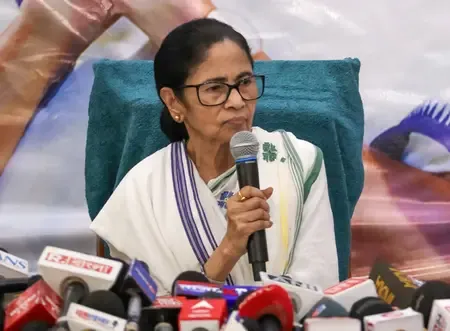
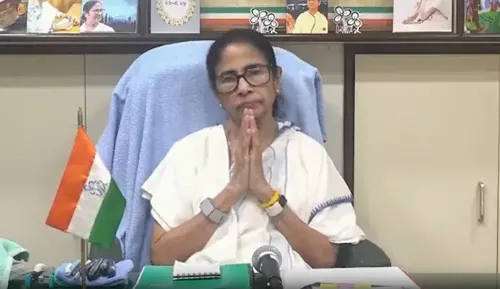
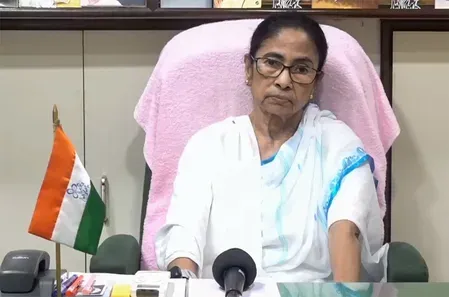
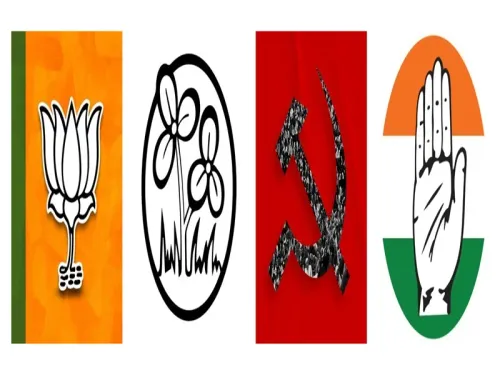
According to the CPI(M)'s reading of the situation, the TMC is effectively split into two camps, neither of which is considered viable as a credible opposition force. The 'original and minority' faction, led by former West Bengal Chief Minister Mamata Banerjee and her nephew Abhishek Banerjee, has reportedly been reduced to a marginal position within the party. Meanwhile, the rival 'rebel but majority' faction led by expelled TMC legislator Ritabrata Banerjee is seen by the CPI(M) as lacking the credibility to position itself as a genuine alternative to the Bharatiya Janata Party (BJP)-led state government.
Why the CPI(M) Sees Congress as a Limited Threat
The CPI(M) leadership also acknowledges that the Indian National Congress (Congress) currently holds two seats in the assembly — one more than the CPI(M) itself. However, party strategists argue that Congress's organisational presence is confined largely to a handful of districts, including Malda, Murshidabad, North Dinajpur, and Purulia, making it ill-equipped to mount statewide issue-based protest movements. This geographic limitation, the Marxist leadership contends, leaves a significant vacuum the CPI(M) is positioned to fill.
Three Issues Driving the Strategy
A CPI(M) central committee member in West Bengal said the current conditions are ripe for the party to organise statewide protest movements independently, while maintaining coordination with the All India Secular Front — which also holds just one assembly seat but has localised organisational strength.
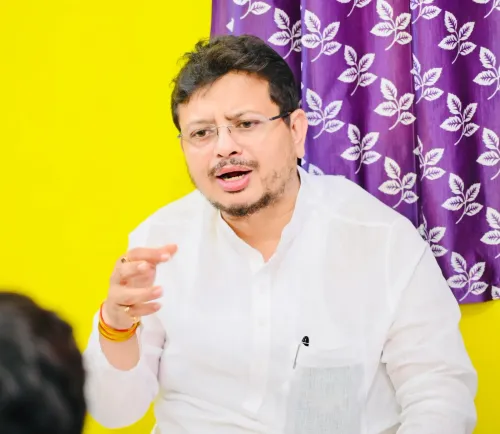
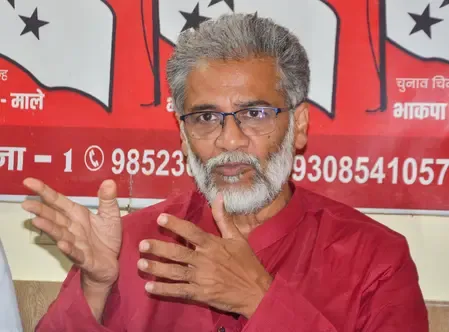
CPI(M) state secretariat member Apurba Chattopadhyay said that 'a large section within the Trinamool Congress has become an opposition party created by the BJP,' adding that poor and working-class people are increasingly turning to the CPI(M) as a force that can deliver on their rights.
The party has reportedly identified three core issues for its statewide campaign. The first is the ongoing hawkers' eviction drive by the state administration, including from railway station premises. The CPI(M) is projecting the chief minister's subsequent announcement — that eviction drives would be paused until Durga Puja in October — as a direct result of its sustained agitation on the issue.
The second issue involves concerns within the minority community, specifically around restrictions on cow slaughter and the ban on Eid namaz on public roads. Political observers note this is a deliberate attempt by the CPI(M) to rebuild its once-dominant standing among minority voters, a constituency that has largely backed the TMC since 2011.
The third issue is the West Bengal government's alleged decision to replace eggs with vegetarian alternatives in school mid-day meals — a move the CPI(M) frames as an attempt by the BJP to interfere with people's dietary choices.
What Comes Next
The CPI(M)'s revival bid faces a steep climb: the party lost power in West Bengal in 2011 after 34 years in government and has since struggled to rebuild grassroots presence. Whether issue-based mobilisation can translate into electoral recovery remains an open question, but the current political churn within the TMC is providing the Left with its most credible opportunity in over a decade.
Point of View
But the minority outreach is a calculated electoral play — and minority voters in Bengal have heard Left promises before. The bigger question is whether issue-based agitation can rebuild the cadre network the party dismantled through 34 years of incumbency and then lost overnight in 2011. Trinamool's factionalism creates an opening, but openings close fast in Bengal's volatile politics; without a credible face and a district-level organisation to match, the CPI(M) risks being the loudest party in a room it still cannot fill.
NationPress
6 Oct 2026
Frequently Asked Questions
Why is CPI(M) trying to become West Bengal's principal opposition party?
The CPI(M) sees a political vacuum created by deepening factionalism within the Trinamool Congress, whose two rival camps are both considered weak opposition forces. With Congress's presence limited to a few districts, the CPI(M) believes it is best placed to mount statewide issue-based protest movements against the BJP-led state government.
How many seats does CPI(M) currently hold in the West Bengal Assembly?
The CPI(M) holds just one seat in the West Bengal Legislative Assembly, compared to Congress's two seats. Despite this, the party's leadership argues its organisational capability to mobilise across the state exceeds that of Congress.
What are the three issues CPI(M) plans to campaign on in West Bengal?
The CPI(M) has identified hawkers' evictions by the state administration, minority community concerns such as restrictions on cow slaughter and the ban on Eid namaz on roads, and the alleged replacement of eggs with vegetarian items in school mid-day meals as its three core campaign issues.
Who are the rival factions within Trinamool Congress?
According to the CPI(M)'s assessment, the TMC is split between an 'original and minority' faction led by former Chief Minister Mamata Banerjee and her nephew Abhishek Banerjee, and a 'rebel but majority' faction led by expelled TMC legislator Ritabrata Banerjee. The CPI(M) views neither as a credible opposition force.
Who is the All India Secular Front and why is CPI(M) coordinating with it?
The All India Secular Front is a political party that holds one seat in the West Bengal Assembly and has localised, pocket-based organisational strength. The CPI(M) plans to maintain coordination with it while leading its own independent statewide campaign, to broaden the Left's effective reach.