Trinamool's fall: How factionalism and distrust cracked Bengal's fortress
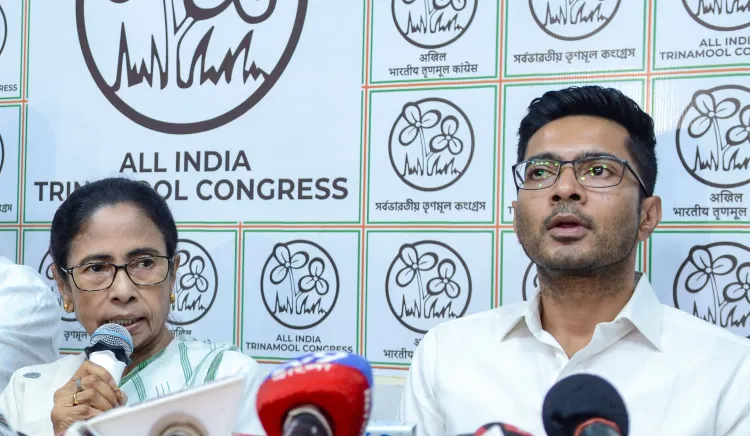
Synopsis
Trinamool Congress's eastern fortress didn't fall to a single blow — it crumbled from within. The exits of Mukul Roy, Suvendu Adhikari, and Saumitra Khan, fuelled by resentment over Abhishek Banerjee's growing dominance, created a fractured organisation that could no longer hold the line when it mattered most.
Key Takeaways
Mukul Roy , widely regarded as Trinamool's organisational backbone, left the party citing alienation over Abhishek Banerjee 's rising influence and later passed away after battling Parkinson's disease .
Suvendu Adhikari , who coordinated the Nandigram movement that brought Trinamool to power in 2011 , defected to the BJP and defeated Mamata Banerjee in Nandigram in 2021 .
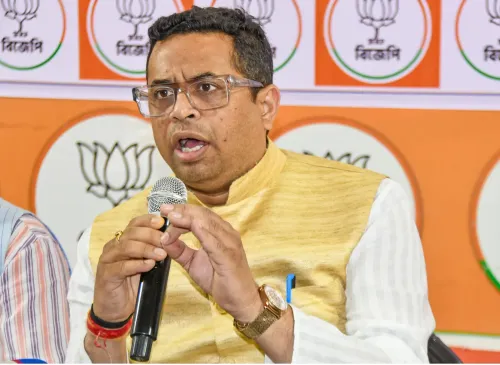
Saumitra Khan also joined the BJP, alleging the party was being run unilaterally by Abhishek Banerjee .
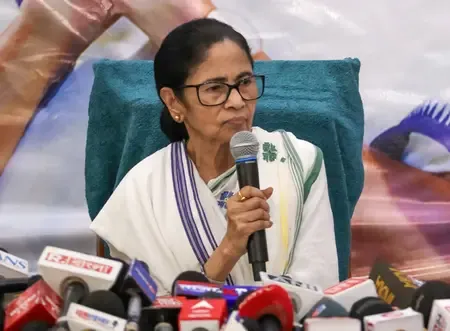
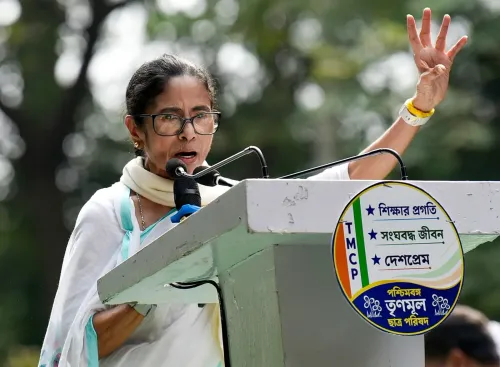
Two rival power centres — the "Kalighat" camp around Mamata and the "Camac Street" camp around Abhishek — publicly divided the party's decision-making.
The RG Kar protest movement exposed the rift further, with the two camps reportedly favouring different administrative responses.
For nearly half a century, political rulers in West Bengal defied and challenged the Centre while fiercely defending their regional stronghold. But internal fractures — factionalism, ego, and deepening distrust — have now visibly eroded the Trinamool Congress's grip on what was once considered an impenetrable eastern bastion, with the 2025 West Bengal Assembly elections exposing the fault lines that had been widening for years.
The Druid Who Kept the Magic Alive
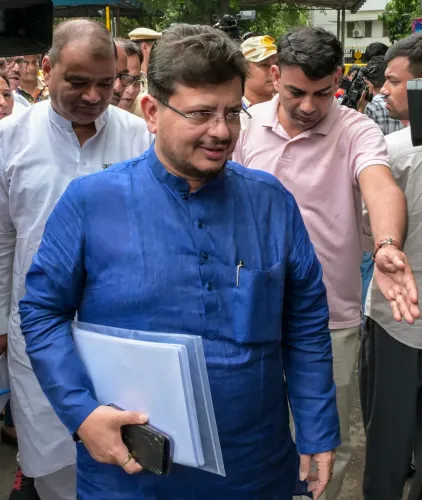
Political insiders and observers point to the exit of Mukul Roy as perhaps the most consequential blow to the Trinamool Congress's organisational machinery. Roy, whose name reportedly featured in the documents submitted while registering the party with the Election Commission of India in 1997–98, was widely regarded as the party's second-in-command and Mamata Banerjee's closest confidant. He was the silent engine behind the party's election management — the organisational strategist who worked while Mamata led from the front.
Insiders claimed Roy grew increasingly unhappy with the rising influence of Abhishek Banerjee, Mamata's nephew, within the party structure. Roy eventually joined the Bharatiya Janata Party (BJP) and was reportedly involved in strategising the BJP's political expansion in West Bengal. He passed away early last year after suffering from multiple ailments, including Parkinson's disease.
The Defections That Weakened the Fortress
Roy's departure was not an isolated incident. Suvendu Adhikari, who had spearheaded the ground-level coordination of the landmark Nandigram movement that helped Mamata Banerjee dethrone the Left Front government in 2011, steadily rose through party ranks before reportedly feeling sidelined. He eventually crossed over to the BJP.
Adhikari shot into national prominence after defeating his former political mentor Mamata Banerjee in the Nandigram Assembly constituency in the 2021 elections. He has since retained Nandigram and, according to reports, also defeated the Trinamool Congress supremo in her stronghold of Bhabanipur in the latest electoral cycle — a symbolic reversal that underscored the party's vulnerability.
Similarly, Saumitra Khan shifted to the BJP, claiming he felt neglected despite his contributions to the organisation. He alleged the party was increasingly being run by Abhishek Banerjee and criticised what he described as its lack of direction.
Notably, both Roy and Adhikari were reportedly named in connection with the Narada sting operation, which sources suggest may have accelerated their alienation. Yet several others who also featured in the sting tapes reportedly continued to remain within the party leadership — a contradiction that deepened internal resentment, according to insiders.
Two Power Centres, One Party
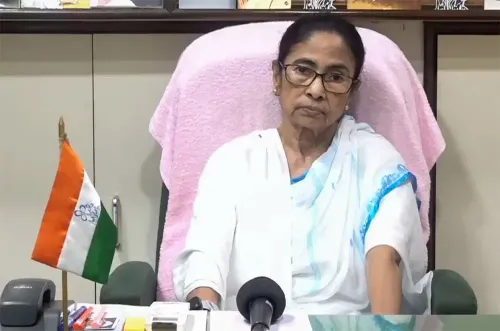
By the time these defections had accumulated, two parallel centres of power had emerged within the Trinamool Congress, at least in public perception. One camp, centred around Mamata Banerjee, was referred to as the
Point of View
But the accelerated elevation of Abhishek Banerjee — without a transparent mandate — created a second power centre that the party's veterans could neither accept nor openly challenge. The Narada episode added a layer of selective accountability that deepened distrust. What Bengal is witnessing is not merely electoral volatility; it is the structural collapse of a party that never quite separated the leader from the institution.
NationPress
22 Sept 2026
Frequently Asked Questions
Why did Suvendu Adhikari leave the Trinamool Congress?
Suvendu Adhikari reportedly felt sidelined within the Trinamool Congress despite having spearheaded the Nandigram movement that helped bring the party to power in 2011. He joined the BJP and went on to defeat Mamata Banerjee in the Nandigram constituency in the 2021 elections.
Who was Mukul Roy and why did his exit matter?
Mukul Roy was widely regarded as Trinamool Congress's second-in-command and the party's most efficient election manager. His name reportedly featured in the party's original Election Commission registration documents from 1997–98, and his exit — attributed to resentment over Abhishek Banerjee's growing influence — left a critical organisational vacuum. He passed away early last year after battling multiple ailments including Parkinson's disease.
What is the 'Kalighat vs Camac Street' divide in Trinamool Congress?
The 'Kalighat' camp refers to the faction aligned with Mamata Banerjee, named after the locality of her residence, while the 'Camac Street' camp revolves around Abhishek Banerjee, named after his office's location. The two camps reportedly favoured different responses even during the RG Kar protest movement, reflecting a public split in the party's decision-making.
What role did the Narada sting operation play in Trinamool's internal crisis?
Both Mukul Roy and Suvendu Adhikari were reportedly named in connection with the Narada sting operation, which sources suggest contributed to their alienation from the party. Critics noted that several others who also appeared in the sting tapes continued to hold positions within the party leadership, fuelling perceptions of selective accountability.
How did the RG Kar protest movement expose Trinamool's internal divisions?
During the RG Kar protest movement, the 'Camac Street' camp around Abhishek Banerjee reportedly favoured a measured administrative response, while Mamata Banerjee was perceived by many observers as uncertain and under pressure. Abhishek Banerjee's public social media post condemning the rape and murder and directing police action was seen as galvanising the administration — highlighting the dual power centres operating within the party.