Gujarat lands 6 of 12 India Semiconductor Mission projects with ₹3,936 crore additions
Synopsis
Gujarat has quietly cornered half of India's entire semiconductor project pipeline — six of twelve approved units — and the latest two additions in Dholera and Surat push the state's chip ambitions into import-substitution territory. India's first GaN-based compound semiconductor fab will make the displays currently flown in from abroad, marking a tangible step in the country's semiconductor self-reliance drive.
Key Takeaways
Gujarat now hosts 6 of 12 projects approved under the India Semiconductor Mission , the most of any state.
The Union Cabinet approved two new projects worth ₹3,936 crore — ₹3,068 crore for Crystal Matrix Limited at Dholera SIR and ₹868 crore for Suchi Semicon (SSPL) in Surat .
The Dholera facility will be India's first compound semiconductor fabrication plant , producing GaN-based Mini and Micro-LED displays currently imported into India.
The Surat OSAT facility will manufacture more than 103.03 crore chips annually , targeting automobile and industrial automation sectors.
The two projects are expected to create more than 2,230 high-tech direct jobs plus thousands of indirect employment opportunities.
Four additional semiconductor projects worth ₹1.24 lakh crore are already under development elsewhere in Gujarat.
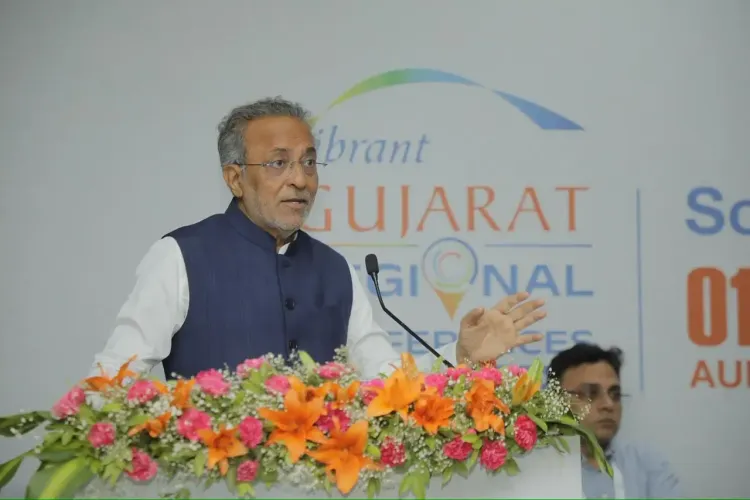
Gujarat now hosts six of the 12 semiconductor projects approved under the Centre's India Semiconductor Mission, after the Union Cabinet cleared two new chip units worth a combined ₹3,936 crore for the state on Saturday, 9 May 2025. The approvals were announced by Gujarat Science and Technology Minister Arjun Modhwadia, who said the state had firmly established itself as the country's leading semiconductor investment destination.
The Two Newly Approved Projects
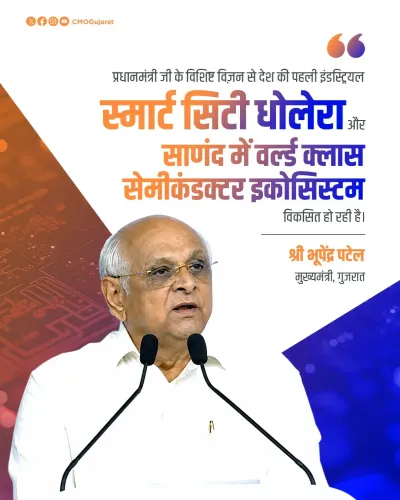
The larger of the two approvals is a ₹3,068 crore investment by Crystal Matrix Limited at the Dholera Special Investment Region (SIR). The facility will be India's first compound semiconductor fabrication plant, manufacturing Mini and Micro-LED displays based on Gallium Nitride (GaN) technology — products that are currently imported into the country. According to Modhwadia, the plant will annually produce 72,000 square metres of display panels and 24,000 sets of RGB wafers, intended for use in smartphones, electric vehicle dashboards, and high-end television screens.
The second project is a ₹868 crore investment by Suchi Semicon Private Limited (SSPL) in Surat, where the company will set up a Semiconductor Assembly and Test (OSAT) facility. The plant is expected to manufacture more than 103.03 crore semiconductor chips annually, catering primarily to the automobile and industrial automation sectors.
Gujarat's Semiconductor Footprint
With these two additions, Gujarat accounts for exactly half of all projects sanctioned under the India Semiconductor Mission nationally. Modhwadia noted that four other major semiconductor projects worth around ₹1.24 lakh crore are already taking shape in the state under the leadership of Chief Minister Bhupendra Patel and Deputy Chief Minister Harsh Sanghavi, separate from the two newly cleared units.
The minister credited Gujarat's early-mover advantage to it being the first state in India to announce a dedicated semiconductor policy. He said the approvals would strengthen the state's complete semiconductor value chain, spanning chip designing, fabrication, packaging, and testing.
Jobs and Economic Impact
Together, the two new projects are expected to generate more than 2,230 high-technology direct jobs and thousands of additional indirect employment opportunities. Modhwadia highlighted that Surat — traditionally renowned for its diamond and textile industries — was now emerging as a centre for high-technology semiconductor manufacturing, signalling a meaningful economic diversification for the city.
Role of GSEM and Infrastructure Support
The Gujarat State Electronics Mission (GSEM) will act as a single-window facilitator for both approved companies, simplifying administrative procedures and coordinating support on land allocation, water supply, electricity, and other infrastructure. Modhwadia said this facilitation model was designed to ensure timely project implementation and reduce investor friction — a key differentiator Gujarat has used to attract chip investment over rival states.
As India accelerates its semiconductor self-reliance push, all eyes will now be on whether the remaining six nationally approved projects can match Gujarat's execution pace — and whether Dholera's first-of-its-kind GaN fabrication facility delivers on its import-substitution promise.
Point of View
Combined with an aggressive single-window facilitation model through GSEM. What mainstream coverage underplays is the import-substitution significance of the Dholera GaN fab: India currently imports virtually all compound semiconductor displays, and a domestic facility targeting smartphones and EV dashboards directly addresses a strategic supply-chain vulnerability. The harder question is whether six projects concentrated in one state represents healthy competition or a concerning centralisation of a sector the entire country needs. With the remaining six mission projects spread across other states, the Centre will need to ensure Gujarat's head start does not crowd out emerging ecosystems elsewhere.
NationPress
24 Sept 2026
Frequently Asked Questions
How many semiconductor projects does Gujarat now have under the India Semiconductor Mission?
Gujarat now has six of the twelve projects approved under the India Semiconductor Mission, making it the state with the highest concentration of approved chip projects in India. The latest two were cleared by the Union Cabinet on 9 May 2025.
What will the Crystal Matrix Limited facility in Dholera manufacture?
Crystal Matrix Limited will set up India's first compound semiconductor fabrication facility at Dholera SIR, manufacturing Mini and Micro-LED displays based on Gallium Nitride (GaN) technology. The plant will produce 72,000 square metres of display panels and 24,000 sets of RGB wafers annually, targeting smartphones, EV dashboards, and high-end TVs.
What is the Suchi Semicon project in Surat?
Suchi Semicon Private Limited (SSPL) will establish a Semiconductor Assembly and Test (OSAT) facility in Surat at an investment of ₹868 crore. The plant will manufacture more than 103.03 crore semiconductor chips annually, primarily for the automobile and industrial automation sectors.
How many jobs will the two new semiconductor projects create in Gujarat?
The two newly approved projects are expected to generate more than 2,230 high-technology direct jobs and thousands of additional indirect employment opportunities across Dholera and Surat.
What role does the Gujarat State Electronics Mission play in these projects?
The Gujarat State Electronics Mission (GSEM) acts as a single-window facilitator for semiconductor investors, simplifying administrative procedures and coordinating support on land, water, electricity, and other infrastructure to ensure timely project implementation.