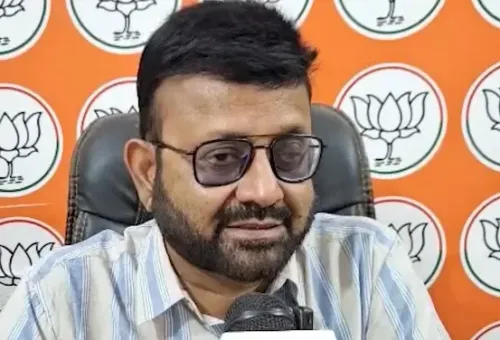
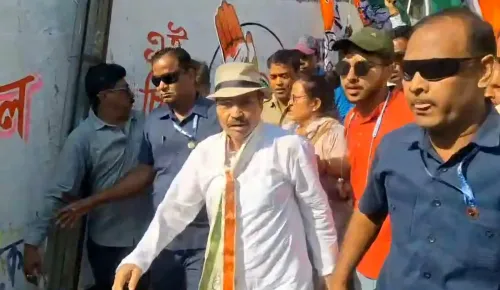
Adhir Ranjan Chowdhury calls TMC turmoil 'expression of frustration'
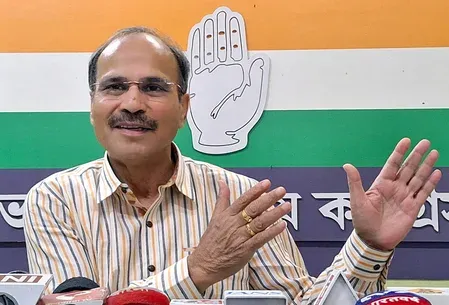
Synopsis
Congress veteran Adhir Ranjan Chowdhury has dismissed the TMC's internal meltdown as post-election frustration — but the revolt is anything but minor. A four-term MP is leading rebel parliamentarians toward a separate bloc, and a Monday meeting with a Union Minister has sharpened accusations of a BJP drift. The TMC's parliamentary unity is now openly in question.
Key Takeaways
Adhir Ranjan Chowdhury on 9 June called the TMC's internal turmoil an 'expression of frustration' following electoral setbacks.
A group of dissident TMC MPs met Union Minister Bhupendra Yadav on Monday , triggering accusations of a BJP drift from Kalyan Banerjee .
Kakoli Ghosh Dastidar , a four-time Lok Sabha MP from Barasat, West Bengal , is leading rebel MPs reportedly seeking recognition as a separate parliamentary bloc.
The revolt is being described as the most serious parliamentary challenge Trinamool Congress has faced in recent years.
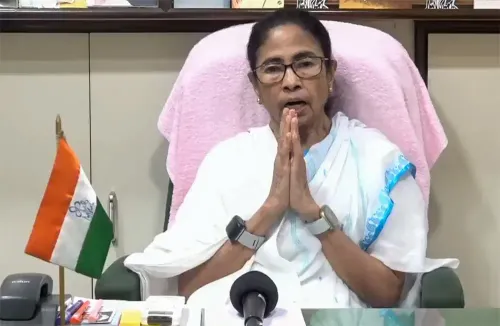
The rebellion puts the dissidents on a direct collision course with party chief and West Bengal CM Mamata Banerjee .
Senior Congress leader Adhir Ranjan Chowdhury on Tuesday, 9 June brushed aside the escalating discord within the Trinamool Congress (TMC), characterising the party's internal upheaval as nothing more than political frustration in the wake of electoral defeats. His remarks came as a group of rebel TMC MPs deepened a parliamentary revolt that is being described as the most serious internal challenge the party has faced in recent years.
Chowdhury's Sharp Rebuke
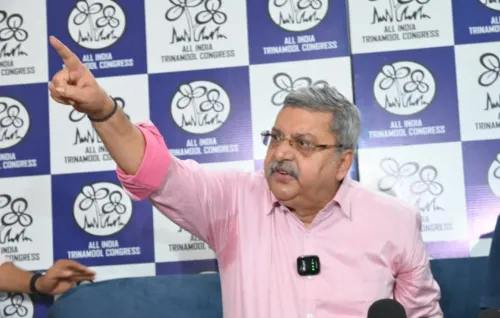
Responding directly to statements by TMC MP Kalyan Banerjee, who had demanded fresh electoral contests, Chowdhury was dismissive. 'There is no point in talking like a mad person. This cannot happen. This is not some local village or neighbourhood wrestling match where if someone loses once, they can fight again after half an hour. It is certainly a contest, but not a village wrestling match. Elections cannot be held across the country in this manner… This is an expression of frustration,' he said.
The Congress veteran made clear he viewed the calls for snap polls as politically untenable — a reaction to defeat rather than a credible demand.
The Rebel MPs and the Meeting with Bhupendra Yadav
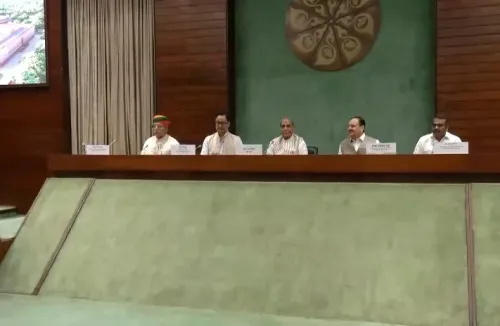
The immediate trigger for Chowdhury's comments was a meeting held on Monday between a group of dissident TMC MPs and Union Minister Bhupendra Yadav. The meeting ignited fresh controversy within the party, with Kalyan Banerjee accusing the rebel MPs of drifting toward the Bharatiya Janata Party (BJP) and asserting that they now looked to Prime Minister Narendra Modi as their leader.
The development placed the rebel bloc on a direct collision course with the TMC's central leadership, intensifying speculation about the party's parliamentary cohesion.
Kakoli Ghosh Dastidar at the Centre of the Storm
Kakoli Ghosh Dastidar, a four-time Lok Sabha MP from West Bengal's Barasat constituency and a medical doctor by profession, has emerged as the face of the dissident group. She is reportedly leading rebel MPs in seeking recognition as a separate parliamentary bloc — a move that places her in direct confrontation with party supremo and West Bengal Chief Minister Mamata Banerjee.
Commenting on Dastidar's position, Chowdhury said: 'So what can we say? Working for the country is not a crime. After being in TMC for so many years, maybe they did not get the opportunity to work for the country. Now all the work is being remembered after losing the elections. It is their own choice… So those who are absconding will behave like this…'
Broader Context: TMC's Organisational Strain
The rebellion follows a series of internal disagreements within the Trinamool and comes at a moment when questions over the party's organisational cohesion are growing louder. This is not the first time TMC has faced dissent in its parliamentary ranks, but the scale and visibility of the current revolt — with a senior four-term MP leading a formal push for a separate bloc — mark a qualitative escalation.
Notably, the timing compounds the pressure on the TMC leadership, which is simultaneously managing governance responsibilities in West Bengal and its national opposition positioning. How Mamata Banerjee responds to this open challenge will likely define the party's parliamentary strategy in the months ahead.
Point of View
Which has its own fraught history with the TMC in West Bengal. But the substance of the TMC crisis deserves more than a one-liner: a sitting four-term MP seeking a separate parliamentary bloc is a structural rupture, not a mood. The meeting with a BJP Union Minister — regardless of its stated purpose — hands the TMC leadership a narrative weapon, even as it signals how alienated the rebel group feels. The real question is whether Mamata Banerjee moves to expel, accommodate, or simply outlast the dissidents — and whether any of them have the BJP as a genuine fallback or are simply using the optics as leverage.
NationPress
23 Oct 2026
Frequently Asked Questions
What did Adhir Ranjan Chowdhury say about the TMC internal crisis?
Chowdhury dismissed the TMC's internal turmoil as an 'expression of frustration' following electoral losses. He specifically called out TMC MP Kalyan Banerjee's demands for fresh elections as impractical, comparing them to a 'village wrestling match.'
Who is Kakoli Ghosh Dastidar and why is she significant?
Kakoli Ghosh Dastidar is a four-time Lok Sabha MP from Barasat, West Bengal, and a medical doctor. She has emerged as the leader of a rebel group of TMC MPs reportedly seeking recognition as a separate parliamentary bloc, making her the most prominent face of the party's internal revolt.
Why did the TMC MPs' meeting with Bhupendra Yadav cause controversy?
A group of dissident TMC MPs met Union Minister Bhupendra Yadav on Monday, which TMC's Kalyan Banerjee interpreted as the rebels gravitating toward the BJP. He accused them of now looking to PM Narendra Modi as their leader, deepening the party's internal rift.
What is the rebel TMC MPs demanding?
The rebel group, led by Kakoli Ghosh Dastidar, has reportedly sought recognition as a separate bloc in Parliament. This puts them in direct confrontation with TMC supremo and West Bengal Chief Minister Mamata Banerjee.
What is the broader significance of the TMC revolt?
The current rebellion is being described as the most serious parliamentary challenge the Trinamool Congress has faced in recent years. It raises questions about the party's organisational cohesion at a time when it is managing both state governance in West Bengal and its national opposition role.