TMC rebellion targets Abhishek Banerjee's corporate-style party control
Synopsis
The Trinamool Congress rebellion isn't really about Mamata Banerjee — it's a direct revolt against her nephew Abhishek Banerjee's corporate overhaul of a party built on street-level politics. With 58 MLAs and 18 MPs now in the breakaway camp, and I-PAC at the centre of the fury, the 'Anti-Bhaipo' movement has become the most serious internal challenge the TMC has faced since winning power in 2011.
Key Takeaways
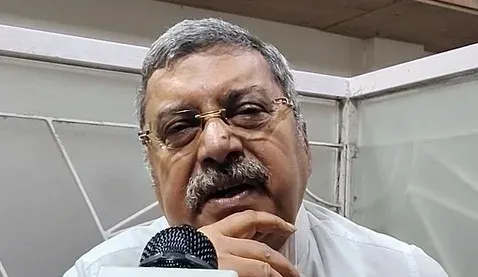
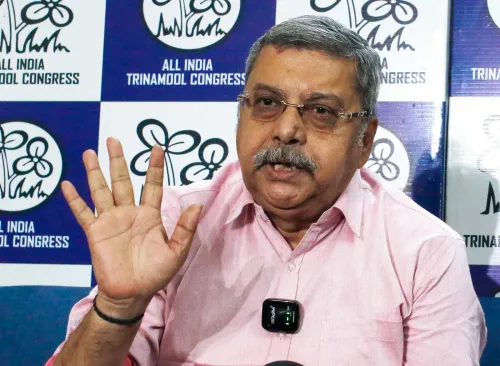
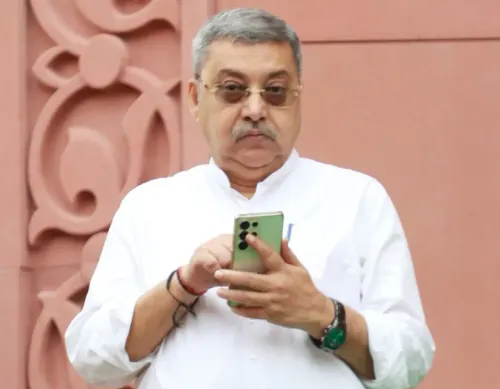
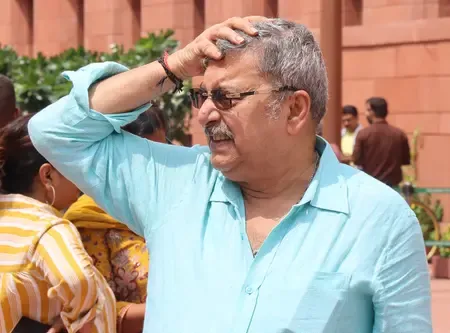
Kalyan Banerjee , Lok Sabha MP from Sreerampur , issued an ultimatum to Mamata Banerjee on 11 June to choose between Abhishek Banerjee and veteran party associates.
Approximately 58 of 80 TMC MLAs and 18 of 28 Lok Sabha MPs are reportedly part of the breakaway faction.
Political consultancy firm I-PAC is accused of replacing grassroots party structures with data-driven, top-down control.
Former MLA Krishnendu Narayan Choudhury and MP Kakoli Ghosh Dastidar have both publicly blamed Abhishek Banerjee for the party's electoral losses.
The rebellion has been labelled the 'Anti-Bhaipo (nephew)' movement, reflecting the personal dimension of the opposition to Abhishek Banerjee's leadership.
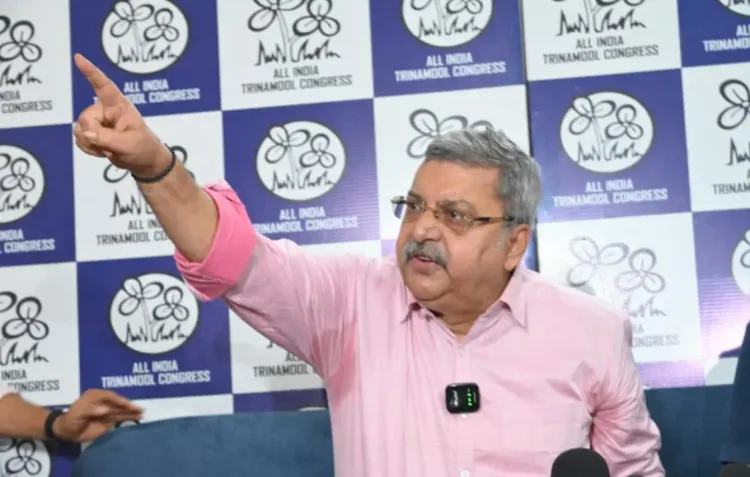
Trinamool Congress Lok Sabha MP Kalyan Banerjee issued a blunt ultimatum to party Chairperson Mamata Banerjee on 11 June, demanding she choose between her nephew and party General Secretary Abhishek Banerjee and veteran associates like himself — a challenge that lays bare the deepening fault lines within the 28-year-old party. The rebellion, critics argue, is less about Mamata Banerjee's leadership and more a direct repudiation of Abhishek Banerjee's style of functioning.
Kalyan Banerjee's Ultimatum
Kalyan Banerjee, the Sreerampur Lok Sabha MP, accused Abhishek Banerjee of 'arrogance' and 'misbehaviour', saying he felt humiliated after being sidelined in a legal case. The case in question involves a challenge to summons issued to the Trinamool General Secretary by West Bengal Police's Criminal Investigation Department (CID) in the MLAs' signature issue. Banerjee warned he may quit the party if Mamata Banerjee cannot run it without her nephew.
Scale and Shape of the Rebellion
The rebellion has reached a critical point. Approximately 58 of the party's 80 elected MLAs, led by rebel MLA Ritabrata Banerjee and Sandipan Saha, along with about 18 of 28 Lok Sabha MPs including Kakoli Ghosh Dastidar, have broken away. The breakaway groups claim to represent the 'real Trinamool', placing Mamata Banerjee in a difficult position. Similar fissures are reportedly emerging in several local bodies as well.
The I-PAC Factor
At the core of the discontent, according to senior party leaders, is the outsized influence of political consultancy firm I-PAC, which allegedly grew more powerful than traditional party workers. Senior Trinamool members complain that decisions on candidates, campaign messaging, and local programmes were increasingly controlled by outsiders armed with data sheets rather than an understanding of West Bengal's social fabric. Former Trinamool MLA and erstwhile minister Krishnendu Narayan Choudhury has bluntly held Abhishek Banerjee responsible for the party's electoral defeat, accusing him of converting a political organisation into a corporate entity where I-PAC became the de facto decision-making authority. Kakoli Ghosh Dastidar has echoed similar allegations.
Structural Exclusion and Grassroots Alienation
Party leaders allege that barriers erected by Abhishek Banerjee and I-PAC made it increasingly difficult to communicate ground realities to the top leadership, leaving many senior members feeling marginalised. Critics argue that the Trinamool was built on agitation politics — thriving on booth workers, local leaders, emotional narratives, and constant public engagement — and that this organic structure was replaced by a consultant-driven, top-down model. A few party members have publicly stated that loyalty no longer mattered unless backed by financial or strategic value. The rebellion has been widely described as 'Anti-Bhaipo (nephew)' sentiment, a label that underscores the intensely personal dimension of the opposition.
What Comes Next
Mamata Banerjee now faces the starkest internal challenge since the party first came to power in 2011. Reports suggest the Trinamool was more cohesive even in its early years in government, when it ran on street-level energy and grassroots mobilisation. Whether Mamata Banerjee moves to clip Abhishek Banerjee's authority — or doubles down in his support — will likely determine whether the rebellion consolidates or fractures further.
Point of View
But it hollowed out the patronage networks and emotional loyalties that actually win elections in West Bengal. The I-PAC controversy is a proxy for a deeper question: can data-driven politics substitute for the kind of hyperlocal, emotionally resonant mobilisation that first brought Mamata Banerjee to power? The fact that veterans across both the legislative and parliamentary wings are in open revolt suggests the answer, so far, is no. Mamata Banerjee's real dilemma is not choosing between her nephew and her old guard — it is deciding what kind of party the Trinamool Congress will be going forward.
NationPress
29 Jul 2026
Frequently Asked Questions
What triggered the Trinamool Congress rebellion against Abhishek Banerjee?
The rebellion stems from widespread discontent over Abhishek Banerjee's top-down, corporate-style management of the party and the alleged outsized influence of political consultancy firm I-PAC over candidate selection, campaign strategy, and local programmes. Senior leaders say traditional grassroots workers were sidelined in favour of data-driven outsiders, eroding the party's emotional connect with voters.
How large is the breakaway faction within the TMC?
Approximately 58 of the party's 80 elected MLAs, led by Ritabrata Banerjee and Sandipan Saha, along with about 18 of 28 Lok Sabha MPs including Kakoli Ghosh Dastidar, are reportedly part of the breakaway group. The faction claims to represent the 'real Trinamool Congress'.
What did Kalyan Banerjee demand from Mamata Banerjee?
Kalyan Banerjee demanded that Mamata Banerjee choose between Abhishek Banerjee and veteran associates like himself, warning he may quit if the party cannot function without her nephew. He accused Abhishek Banerjee of 'arrogance' and 'misbehaviour', citing his own marginalisation in a legal case involving the CID summons to the TMC General Secretary.
What role did I-PAC play in the TMC crisis?
I-PAC, the political consultancy firm, is accused by rebel leaders of becoming more powerful than traditional party workers, effectively controlling candidate selection, campaign messaging, and local programmes. Critics argue it replaced the Trinamool's bottom-up mobilisation model with a top-down, data-driven approach that alienated experienced ground-level leaders.
What options does Mamata Banerjee have to resolve the crisis?
Mamata Banerjee faces a choice between curtailing Abhishek Banerjee's authority to placate the rebel faction, or backing him and risking a formal split. The outcome will likely determine whether the rebellion consolidates into a permanent breakaway party or dissolves. The rebel MLAs have already indicated they would accept Mamata Banerjee as an advisor, suggesting the door to reconciliation remains open — but only on their terms.