Kishan Reddy highlights 11 Tribal Freedom Fighter Museums
Synopsis
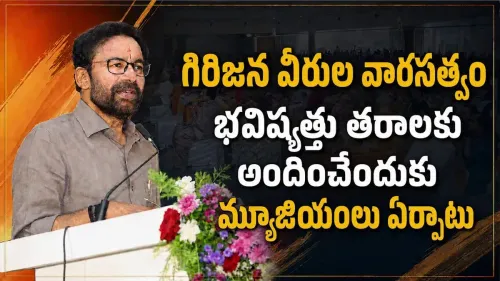
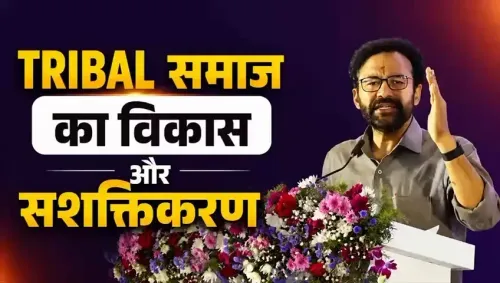
Union Minister G. Kishan Reddy has spotlighted the Modi government's project to build 11 Tribal Freedom Fighter Museums nationwide, with Hyderabad's under-construction Ramji Gond Tribal Museum as a flagship symbol, honouring Telangana heroes Komaram Bheem and Ramji Gond.
Key Takeaways
The Modi government is establishing 11 Tribal Freedom Fighter Museums across India to preserve and transmit tribal freedom fighters' legacies.
The Ramji Gond Tribal Museum in Hyderabad is currently under construction and is cited as a key symbol of the initiative.
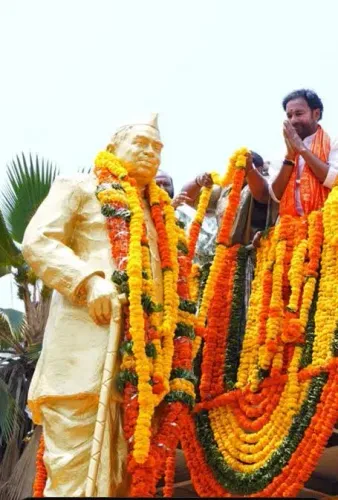
Komaram Bheem and Ramji Gond , both from Telangana , resisted Nizamshahi oppression and are central figures being commemorated.
Komaram Bheem's slogan 'Jal, Jungle, Zameen' remains an inspiration for tribal rights and environmental conservation.
The museum project is part of a broader government effort to integrate tribal icons into the mainstream national freedom struggle narrative.
The initiative is linked to Azadi Ka Amrit Mahotsav commemorations that began around 2021 .
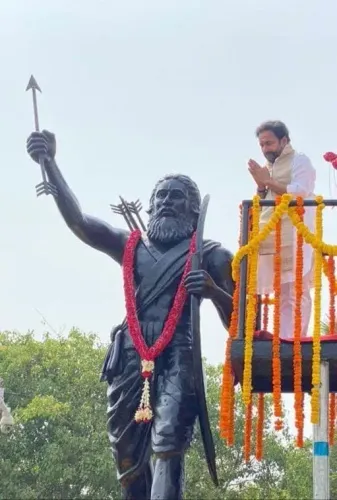
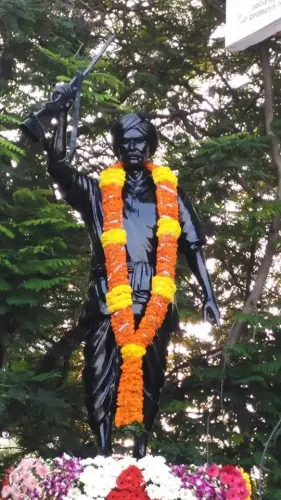
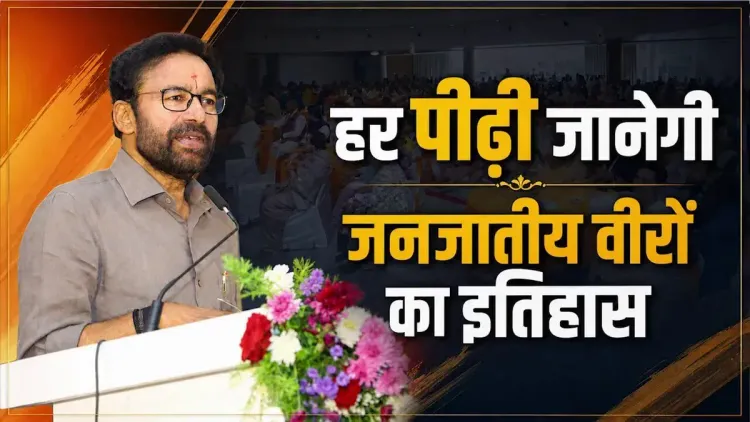
Union Coal and Mines Minister G. Kishan Reddy on Sunday, 19 July 2026, highlighted the Modi government's initiative to establish 11 Tribal Freedom Fighter Museums across India, underscoring the under-construction Ramji Gond Tribal Museum in Hyderabad as a key symbol of that commitment. The post drew attention to the enduring legacies of Telangana's tribal heroes Komaram Bheem and Ramji Gond, who resisted Nizamshahi oppression.
Context
In his post, Kishan Reddy wrote that the Modi government is establishing 11 Tribal Freedom Fighter Museums to carry the immortal stories of tribal freedom fighters to future generations across the country. He specifically cited Hyderabad's under-construction Ramji Gond Tribal Museum as an important symbol of this resolve. The minister quoted Komaram Bheem's celebrated rallying cry — 'Jal, Jungle, Zameen' (Water, Forest, Land) — calling it an enduring source of inspiration for tribal rights, self-respect, and conservation of nature.
Reddy emphasised that the contributions of these heroes were not confined to tribal society alone, but gave new direction to the entire Indian freedom struggle and national consciousness. The post was accompanied by a video, amplifying the cultural and historical messaging.
Policy Backdrop
The museum initiative is part of a broader central government effort, linked to the Azadi Ka Amrit Mahotsav commemorations that began around 2021, to formally integrate tribal freedom fighters into the mainstream national historical narrative. Since 2014, parallel efforts have included building memorials, renaming sites, and incorporating Adivasi icons into school curricula and state functions.
Komaram Bheem was a Gond tribal leader from Telangana who led a resistance movement against the Nizam of Hyderabad's forces in the early twentieth century, championing the rights of forest-dwelling communities. Ramji Gond is another tribal figure from the region commemorated for his resistance against Nizamshahi forces. Their legacies have gained renewed national visibility through government-backed cultural projects.
Stakeholders and Impact
The primary beneficiaries of the museum network are tribal communities across India, who stand to see their ancestral heroes formally recognised within the national freedom struggle canon. For Telangana in particular, the Hyderabad museum carries local cultural weight, given that both Komaram Bheem and Ramji Gond are deeply rooted in the state's history and identity.
Educationists and historians working on indigenous history view such physical infrastructure — museums, memorials, and interpretive centres — as critical tools for preserving oral traditions and artefacts that might otherwise be lost. Future generations, students, and tourists are among the intended audiences for the completed museums.
What's Next
Completion timelines and inauguration ceremonies for the remaining museums in the 11-museum network will be closely watched, as will any linked curriculum modules or state tourism tie-ups that the central government may announce. The Ramji Gond Tribal Museum in Hyderabad is currently under construction, and its inauguration is expected to serve as a flagship moment for the broader initiative.
As India's tribal population remains one of the country's most historically underrepresented communities in mainstream historiography, the success of this museum network could set a precedent for similar cultural infrastructure projects in other states with significant Adivasi populations.
Point of View
Serving simultaneously as a heritage message and a BJP outreach signal to tribal communities — a constituency the party has actively courted since 2014. By foregrounding Telangana-specific heroes like Komaram Bheem and Ramji Gond, the messaging carries particular resonance in a state where the BJP is seeking to expand its footprint against an incumbent regional government. The 11-museum initiative fits a well-established pattern of the central government using physical infrastructure and historical reclamation to build ideological bridges with Adivasi voters. Whether the museums translate into tangible community benefit or remain largely symbolic will determine the long-term political dividend.
NationPress
20 Jul 2026
Frequently Asked Questions
What are the 11 Tribal Freedom Fighter Museums being built by the Modi government?
The Modi government is establishing 11 museums across India dedicated to preserving the stories and legacies of tribal freedom fighters, as part of efforts linked to the Azadi Ka Amrit Mahotsav. The Ramji Gond Tribal Museum in Hyderabad is one of the museums currently under construction.
Who was Komaram Bheem and why is he significant?
Komaram Bheem was a Gond tribal leader from Telangana who resisted the Nizam of Hyderabad's forces in the early twentieth century. He is celebrated for championing the rights of forest-dwelling communities and popularising the slogan 'Jal, Jungle, Zameen' — meaning Water, Forest, Land — which remains a rallying cry for tribal rights and environmental conservation.
Where is the Ramji Gond Tribal Museum being built?
The Ramji Gond Tribal Museum is under construction in Hyderabad, the capital of Telangana. It is part of the central government's broader 11-museum network honouring tribal freedom fighters.
What does 'Jal, Jungle, Zameen' mean?
'Jal, Jungle, Zameen' translates from Hindi as 'Water, Forest, Land.' It was the rallying slogan of Komaram Bheem and represents tribal communities' rights over natural resources, self-respect, and the conservation of nature.
What is Kishan Reddy's role in the tribal museum initiative?
G. Kishan Reddy is the Union Minister of Coal and Mines and BJP's Telangana state president. He has been vocal in amplifying the Modi government's tribal heritage projects, particularly those relevant to Telangana, through public communications including social media.