CM Samrat Choudhary Pays Tribute to Batukeshwar Dutt
Synopsis
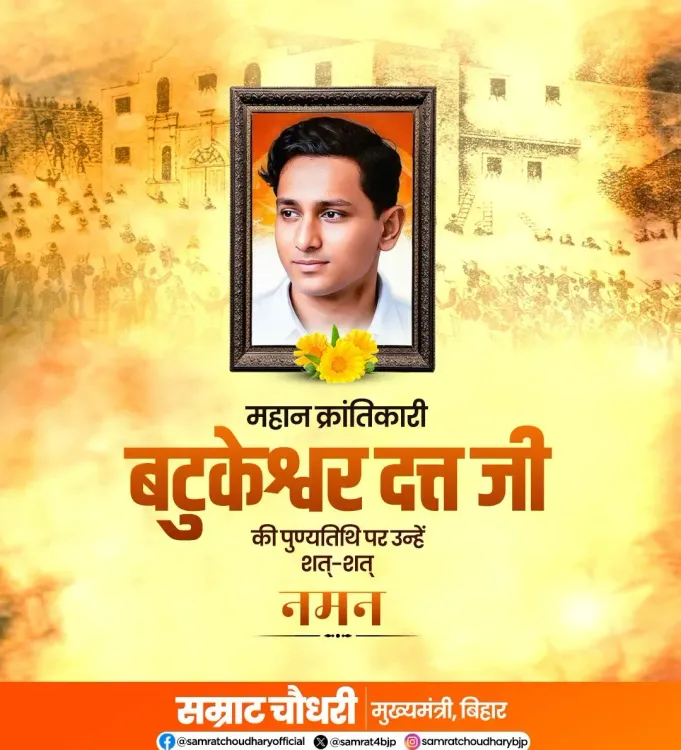
Bihar Chief Minister Samrat Choudhary on 20 July 2026 paid tribute to HSRA revolutionary Batukeshwar Dutt on his death anniversary, honouring the leader who threw bombs in the Central Legislative Assembly alongside Bhagat Singh in 1929 to protest colonial legislation.
Key Takeaways
Bihar CM Samrat Choudhary posted a tribute to Batukeshwar Dutt on his death anniversary, 20 July 2026 .
Batukeshwar Dutt and Bhagat Singh threw bombs in the Central Legislative Assembly on 8 April 1929 to protest the Public Safety Bill and Trade Disputes Bill.
Dutt was a member of the Hindustan Socialist Republican Association (HSRA) and died on 20 July 1965 .
The Ministry of Culture included Dutt in the Azadi Ka Amrit Mahotsav calendar in 2021 to recognise lesser-known independence figures.
The tribute is part of a broader BJP pattern of institutionalising official commemorations for HSRA revolutionaries since 2014 .
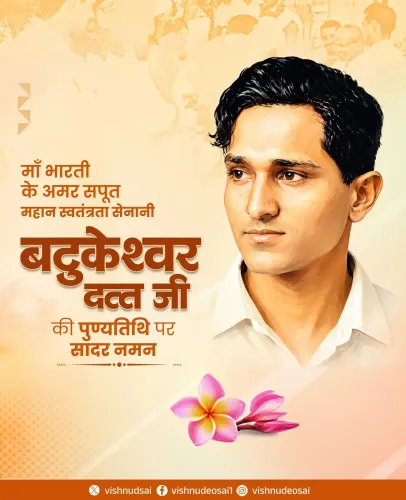
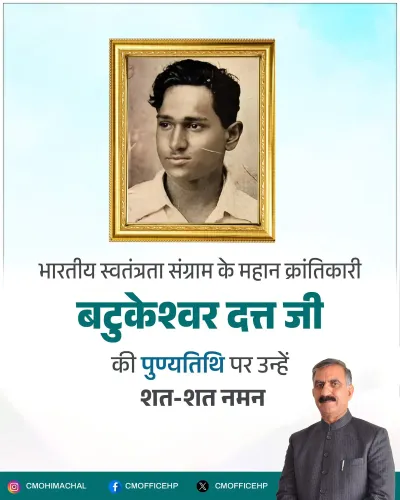
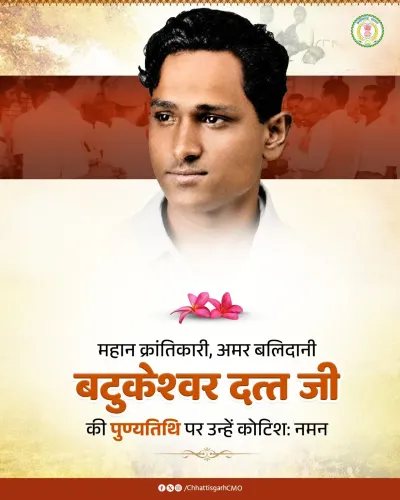
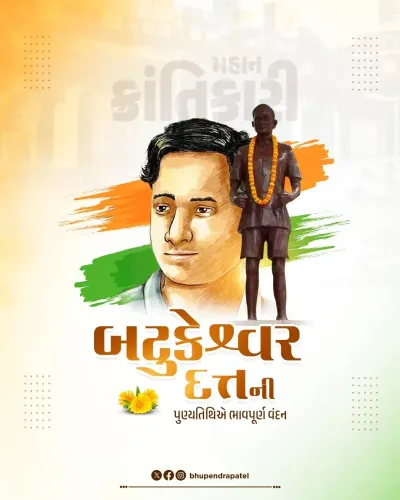
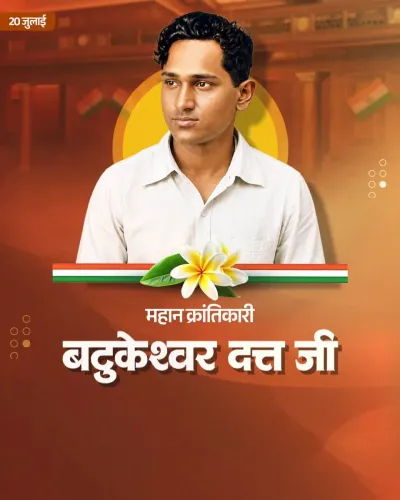
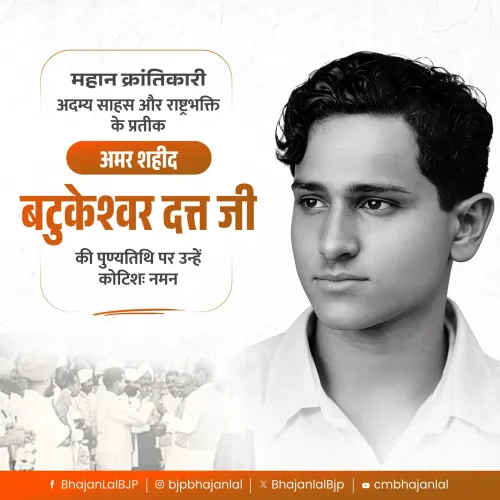
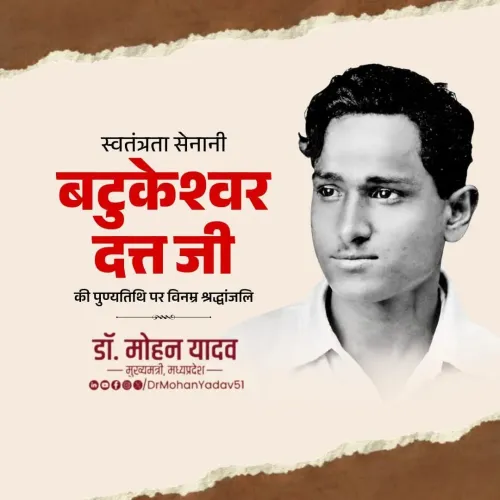
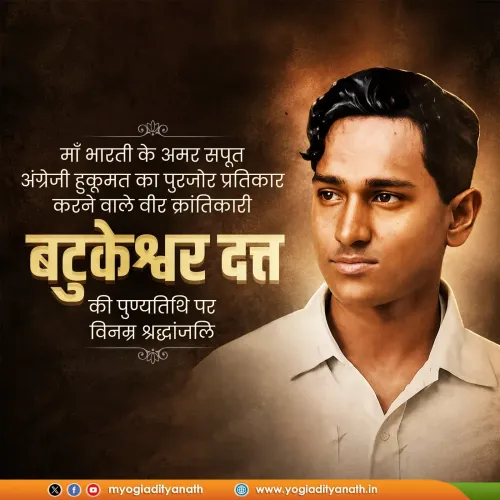
Bihar Chief Minister Samrat Choudhary on Monday, 20 July 2026 paid tribute to revolutionary freedom fighter Batukeshwar Dutt on his death anniversary, honouring the HSRA leader's role in India's independence struggle through a post on his official X account.
In his tribute, the Chief Minister wrote: 'देश की आज़ादी के लिए अपना सर्वस्व समर्पित करने वाले महान क्रांतिकारी' ('The great revolutionary who dedicated everything for the country's freedom'), describing Dutt as a symbol of 'indomitable courage and patriotism.' He added that Dutt's sacrifice, struggle, and dedication to the nation 'will always inspire all of us towards service and national interest.'
Context
Batukeshwar Dutt was a member of the Hindustan Socialist Republican Association (HSRA) who, alongside Bhagat Singh, threw bombs inside the Central Legislative Assembly on 8 April 1929 to protest the Public Safety Bill and the Trade Disputes Bill. The act was designed not to cause casualties but to 'make the deaf hear,' as the two revolutionaries famously declared. Dutt was arrested, tried, and transported to the Andaman Cellular Jail, where he endured years of imprisonment. He passed away on 20 July 1965 in New Delhi.
Unlike Bhagat Singh, who was executed in 1931, Dutt survived to see independence but spent his later years in relative obscurity — a fact that has drawn renewed attention from historians and policymakers in recent years.
Policy Backdrop
Since 2014, central and BJP-ruled state governments have institutionalised official commemorations for HSRA revolutionaries, foregrounding the armed resistance strand of India's freedom movement alongside Gandhian narratives. In 2021, the Ministry of Culture included Batukeshwar Dutt in the Azadi Ka Amrit Mahotsav calendar, a national programme honouring lesser-known independence figures ahead of the 75th anniversary of independence.
Chief Minister Choudhary's tribute follows a pattern of state-level messaging that links contemporary governance with pre-independence sacrifice. Bihar, as a state with deep historical ties to the freedom movement, frequently highlights national revolutionaries through official commemorations and public outreach.
Stakeholders and Impact
The primary audience for such tributes is Indian youth and students, for whom official recognition of figures like Dutt reinforces a broader national narrative of sacrifice and anti-colonial resistance. State education departments across BJP-governed states have increasingly incorporated HSRA revolutionaries into supplementary curricula and school-level events.
Civil society organisations and historians who have long advocated for greater recognition of Dutt's contributions are likely to welcome the Chief Minister's public acknowledgement, particularly given that Dutt's post-independence years received far less state attention than those of his contemporaries.
What's Next
With Independence Day on 15 August 2026 weeks away, state education and cultural departments in Bihar may organise district-level memorial events or academic programmes centred on Dutt's legacy. The anniversary tribute also signals that the Bihar government is likely to sustain its messaging around revolutionary nationalism in the run-up to the independence day calendar of events.
Point of View
The Bihar government signals its intent to frame pre-independence sacrifice as a living inspiration for contemporary governance. The timing also underscores a soft competition among state governments to claim ownership of the freedom movement's more assertive strands. For Bihar, a state with significant historical ties to the independence struggle, such tributes serve both symbolic and electoral purposes.
NationPress
21 Jul 2026
Frequently Asked Questions
Who was Batukeshwar Dutt and why is he remembered?
Batukeshwar Dutt was an HSRA revolutionary who, along with Bhagat Singh, threw bombs in the Central Legislative Assembly on 8 April 1929 to protest colonial legislation. He is remembered as a symbol of armed resistance against British rule who survived imprisonment in the Andaman Cellular Jail and lived to see Indian independence.
When did Batukeshwar Dutt die?
Batukeshwar Dutt died on 20 July 1965 in New Delhi, which is why tributes are paid on 20 July each year on his death anniversary.
What did Bihar CM Samrat Choudhary say about Batukeshwar Dutt?
CM Samrat Choudhary described Dutt as a 'great revolutionary who dedicated everything for the country's freedom' and a symbol of 'indomitable courage and patriotism,' adding that his sacrifice would always inspire people towards national service.
What was the Central Legislative Assembly bombing of 1929?
On 8 April 1929, Bhagat Singh and Batukeshwar Dutt threw low-intensity bombs inside the Central Legislative Assembly in Delhi to protest the Public Safety Bill and Trade Disputes Bill. The act was symbolic — intended to 'make the deaf hear' — and was not designed to cause casualties.
How has the Indian government recognised Batukeshwar Dutt in recent years?
In 2021, the Ministry of Culture included Batukeshwar Dutt in the Azadi Ka Amrit Mahotsav calendar, a programme to honour lesser-known freedom fighters ahead of India's 75th independence anniversary. BJP-governed state governments have also increasingly commemorated HSRA revolutionaries through official tributes and educational outreach since 2014.