White House Imposes New Tariffs on Canadian Auto Imports
Synopsis
The White House imposed additional duties on Canadian motor vehicles on July 21, 2026, alleging discrimination against US automotive commerce. The move escalates US-Canada trade tensions under the USMCA framework and could trigger Canadian retaliation or formal dispute proceedings.
Key Takeaways
The White House announced a presidential action on July 21, 2026 imposing new tariffs on Canadian motor vehicles.
The stated rationale is offsetting Canadian discrimination against US automotive commerce.
The USMCA , in force since July 2020 , governs automotive trade between the US , Canada , and Mexico with strict rules of origin.
The US has previously used Section 232 national security authority to target auto imports, establishing legal precedent for such duties.
Canadian vehicle exporters and Ontario 's manufacturing corridor face direct exposure; American consumers may see higher vehicle prices.
Ottawa is expected to weigh retaliatory measures or a formal USMCA dispute filing in response.
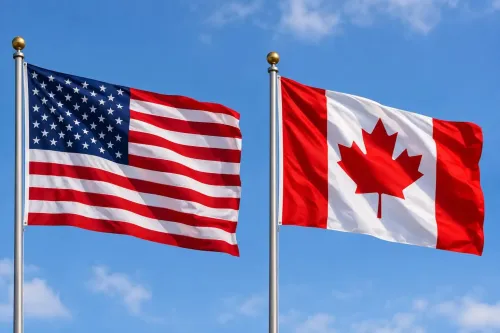
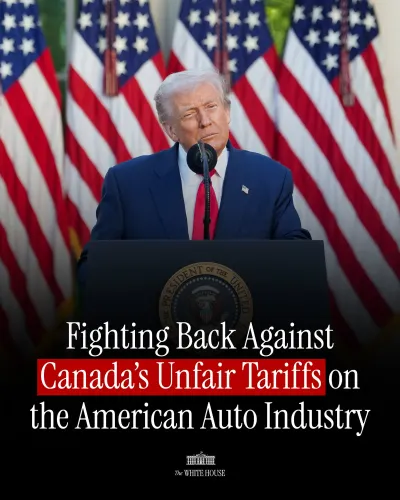
The White House on Tuesday, July 21, 2026, announced a presidential action imposing additional duties on Canadian motor vehicles, citing discrimination against United States commerce in the automotive sector. The executive action, published via the official White House presidential actions portal, marks a significant escalation in US-Canada trade tensions over automotive trade.
Context
The White House post links directly to a presidential action titled 'Imposing Additional Duties to Offset Canadian Discrimination Against the Commerce of the United States with Respect to Motor Vehicles.' The framing — 'offsetting discrimination' — signals that Washington views existing Canadian practices as trade barriers that disadvantage American automakers and exporters in the bilateral market.
The United States and Canada are deeply integrated automotive partners, with vehicles and parts crossing the shared border multiple times during production. Any disruption to this supply chain carries immediate consequences for factories and workers on both sides.
Policy Backdrop
The two countries, along with Mexico, are bound by the United States-Mexico-Canada Agreement (USMCA), which entered into force in July 2020 and replaced the earlier NAFTA framework. The USMCA set stricter rules of origin for motor vehicles, requiring higher North American content to qualify for preferential tariff treatment.
The United States has a history of deploying tariff authority against perceived trade imbalances in the automotive sector. As far back as 2018, Washington initiated Section 232 national security investigations into auto imports, establishing a legal and political precedent for using duties as leverage in bilateral automotive disputes.
The current action fits a longer pattern of the US alternating between negotiation and unilateral enforcement measures when it perceives that integrated North American supply chains are being used to disadvantage American commerce.
Stakeholders and Impact
US auto manufacturers have long pressed Washington for stronger enforcement of rules of origin and market-access commitments under the USMCA. Additional duties on Canadian vehicles could offer short-term relief to domestic producers competing against imports, but may also raise input costs for American plants that source components from Canada.
Canadian vehicle exporters face the most direct exposure. Canada is among the largest suppliers of assembled vehicles to the US market, and new duties would increase costs for Canadian manufacturers, potentially reducing their price competitiveness. Workers in Ontario's auto-manufacturing corridor — home to major assembly plants — could be affected if order volumes decline.
Downstream, American consumers could face higher prices on vehicles assembled in or with significant content from Canada, as importers typically pass duty costs along the supply chain.
What's Next
Ottawa is widely expected to assess retaliatory options, as it has done in previous rounds of US tariff actions. Canada also retains the right to file a formal dispute under the USMCA's state-to-state dispute settlement mechanism, which could trigger a panel review of whether the new duties are consistent with treaty obligations.
Bilateral talks on automotive rules of origin and market access will likely follow, as both governments have economic incentives to prevent a prolonged tariff standoff in one of North America's most integrated industries. The trajectory of this dispute will be closely watched by India's automotive sector, which has its own ongoing trade negotiations with Washington and monitors shifts in US trade enforcement posture globally.
Point of View
Complicating Canada's retaliation calculus. This move continues a years-long US pattern of using tariff authority to extract concessions from integrated trading partners, even those bound by formal agreements like the USMCA. For India, which is negotiating its own bilateral trade terms with Washington, the episode is a live demonstration of how the US deploys executive tariff power as a first-resort enforcement tool. The durability of these duties will hinge on whether Ottawa seeks a negotiated settlement or escalates through USMCA dispute panels — a choice that will shape North American automotive trade for years.
NationPress
19 Oct 2026
Frequently Asked Questions
Why is the US imposing new tariffs on Canadian cars?
The White House says the additional duties are meant to offset what it describes as Canadian discrimination against US automotive commerce. The presidential action, announced on July 21, 2026, frames the tariffs as a remedial trade measure rather than a protectionist one.
Does the USMCA allow the US to impose tariffs on Canadian vehicles?
The USMCA sets rules of origin and dispute mechanisms for automotive trade but does not eliminate all tariff authority. The US has previously invoked national security and other statutory grounds — separate from USMCA preferences — to impose duties, and Canada can challenge such actions through USMCA dispute panels.
How will US tariffs on Canadian cars affect Indian consumers or businesses?
The direct impact on Indian consumers is limited, but Indian auto component exporters and manufacturers tracking US trade policy will watch closely. A broader US shift toward aggressive tariff enforcement can influence trade negotiations that India is conducting with Washington.
What can Canada do in response to these new US auto tariffs?
Canada can impose retaliatory duties on US goods, as it has done in past trade disputes. It can also file a formal state-to-state dispute under the USMCA, which would trigger a binational panel review of whether the US duties are consistent with treaty obligations.
What is the USMCA and how does it govern automotive trade?
The United States-Mexico-Canada Agreement, in force since July 2020, replaced NAFTA and set stricter rules of origin for motor vehicles — requiring a higher percentage of North American content for cars to qualify for zero or reduced tariffs among the three countries.