Iran suspends MoU commitments with US amid escalating strikes
Synopsis
Iran has formally walked away from the Islamabad MoU with the US, with Deputy FM Gharibabadi citing American violations as the trigger. With Iranian forces already striking US bases in Kuwait, Bahrain, and Jordan — and Washington threatening to hit Iranian power plants and bridges — the last formal diplomatic guardrail between the two countries has now been dismantled.
Key Takeaways
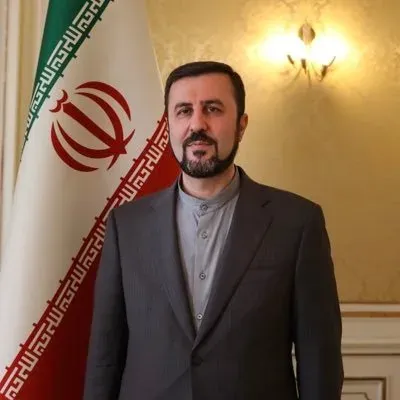
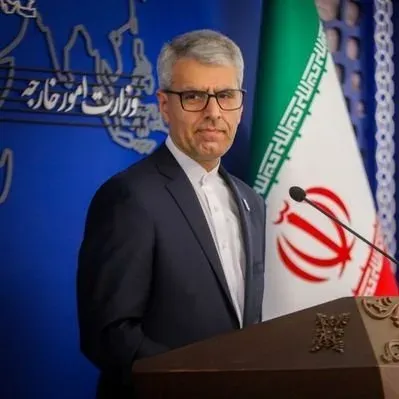
Iran suspended all commitments under the Islamabad MoU with the US on 18 July , announced by Deputy FM Kazem Gharibabadi .
Gharibabadi accused the US of violating the MoU first through 'aggressive actions.' Iran's Khatam al-Anbiya Central Headquarters warned of a response 'more severe, widespread, and devastating than ever' if US strikes target Iranian infrastructure.
Iranian forces reportedly struck US bases in Kuwait , Bahrain , and Jordan this week.
US President Donald Trump threatened to expand strikes to Iranian power plants and bridges unless Tehran returns to negotiations.
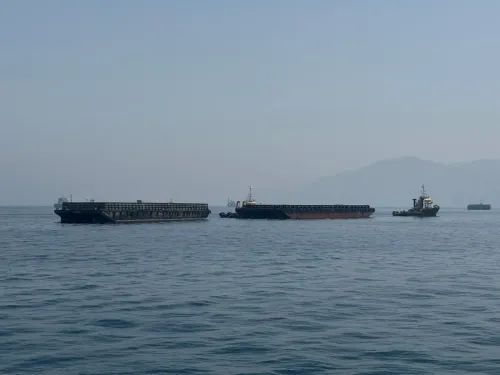
The Strait of Hormuz remains at the centre of the standoff, with the US citing Iranian targeting of commercial vessels as justification for its strikes.
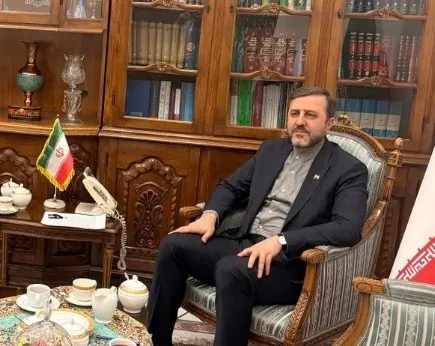
Iran has suspended all its commitments under the recently signed Memorandum of Understanding (MoU) with the United States, the country's Deputy Foreign Minister for Legal and International Affairs, Kazem Gharibabadi, announced on Saturday, 18 July. The declaration marks a significant breakdown in the fragile diplomatic framework that had been under negotiation between Tehran and Washington.
What Gharibabadi Said
'We were in negotiations, and unfortunately, the Americans themselves, in violation of their obligations under the Memorandum of Understanding, took these aggressive actions,' Gharibabadi said, according to Iran's Tasnim News Agency.
'The US has practically violated and suspended all of its commitments, and we have also suspended our commitments under that Islamabad Memorandum of Understanding and are not implementing our commitments,' he added. The minister framed Iran's position as one of 'decisively defending the country and teaching a lesson to the aggressors.'
Military Warnings and Cross-Border Strikes
Iran's main military command, Khatam al-Anbiya Central Headquarters, warned this week that any US attack on Iranian power plants and bridges would trigger a 'devastating response against all infrastructure across West Asia.' The warning followed Iranian forces striking US bases in Kuwait, Bahrain, and Jordan.
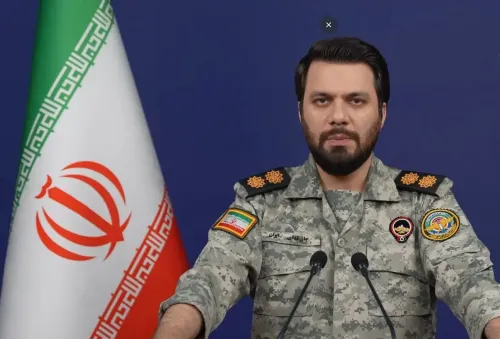
The headquarters' spokesman, Ebrahim Zolfaghari, issued the warning via a video message carried by Iranian media. 'The powerful armed forces of the Islamic Republic of Iran will crush everything that has still remained intact owing to Iran's decency,' he said, if US President Donald Trump follows through on threats against Iranian infrastructure. Zolfaghari stressed that any Iranian response would not be 'an equal blow,' but 'more severe, widespread, and devastating than ever.'
Trump's Ultimatum and US Strikes
US President Donald Trump had warned that the United States would expand its strikes on Iran to target power plants and bridges the following week unless Tehran agreed to negotiate. The US military had already launched several waves of strikes against Iran's southern provinces over the preceding days, claiming the attacks were aimed at 'degrading Iran's ability to threaten commercial shipping' in response to Iranian forces targeting vessels in the Strait of Hormuz.
What This Means for the Region
The mutual suspension of the Islamabad MoU effectively removes the last formal diplomatic guardrail between the two adversaries. This comes amid a rapidly deteriorating security environment across West Asia, with Iranian strikes on US forward bases and Washington's counter-strikes on Iranian territory creating a cycle of escalation that analysts warn could spiral further. Notably, the Strait of Hormuz — through which roughly 20% of global oil supply transits — remains at the centre of the standoff, raising the stakes for global energy markets.
With both sides now openly rejecting their shared diplomatic framework, the path to de-escalation appears significantly narrower than it did even days ago.
Point of View
The absence of any agreed framework makes miscalculation far more likely. What is underreported is the Strait of Hormuz dimension: a prolonged disruption there would hit India's energy imports directly, making this a crisis with immediate consequences for New Delhi, not just Washington and Tehran. India's silence so far is conspicuous given its historic ties with both parties and its energy exposure.
NationPress
17 Oct 2026
Frequently Asked Questions
Why did Iran suspend the MoU with the United States?
Iran suspended the Islamabad MoU after Deputy Foreign Minister Kazem Gharibabadi accused the US of violating its own obligations under the agreement through what he called 'aggressive actions.' Tehran framed the suspension as a defensive response, not an initiation of hostilities.
What is the Islamabad Memorandum of Understanding between Iran and the US?
The Islamabad MoU was a recently signed agreement between Iran and the United States that provided a framework for ongoing negotiations. Its suspension on 18 July removes the last formal diplomatic structure between the two countries amid active military escalation.
What military actions has Iran taken against the US?
According to reports, Iranian forces struck US military bases in Kuwait, Bahrain, and Jordan this week. Iran's Khatam al-Anbiya Central Headquarters also warned that any US attack on Iranian power plants or bridges would trigger a devastating response across West Asia.
What has the US threatened to do next?
US President Donald Trump warned that the United States would expand its strikes on Iran to target power plants and bridges unless Tehran agrees to return to the negotiating table. The US military has already conducted several waves of strikes on Iran's southern provinces.
How does the Strait of Hormuz factor into this conflict?
The US cited Iranian targeting of commercial vessels in the Strait of Hormuz as justification for its military strikes, framing them as aimed at protecting global shipping. The strait is a critical chokepoint for roughly 20% of global oil supply, making the standoff a concern for energy markets worldwide.