Iran strikes US bases in Kuwait, Bahrain, Jordan; warns of 'crushing' response
Synopsis
Iran has struck US military bases in three countries simultaneously and threatened to 'crush' all remaining infrastructure across West Asia if Washington targets Iranian power plants and bridges — a dramatic escalation that exposes the fragility of a June peace MoU and raises the spectre of a region-wide conflagration.
Key Takeaways
Iran’s Khatam al-Anbiya Central Headquarters warned on 16 July that US strikes on Iranian power plants and bridges would trigger a ‘crushing’ retaliation across all of West Asia .
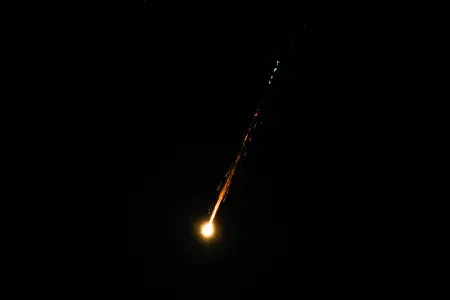
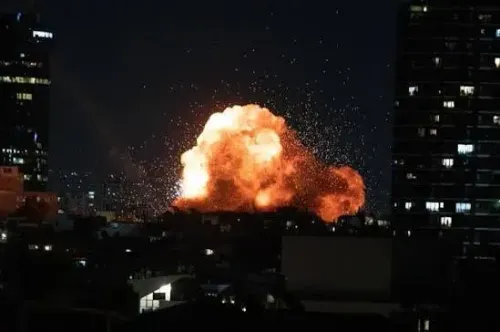
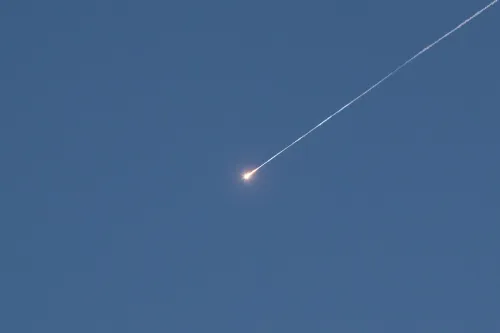
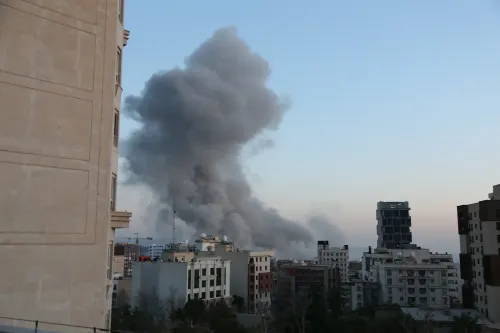
The IRGC and Iranian Army struck US bases in Kuwait , Bahrain , and Jordan using joint missile and drone attacks.
Targets reportedly destroyed include a C-RAM radar , a satellite communications centre , a Patriot battery , and a wharf at Shuaiba Port .
The US has launched multiple strike waves on Iran’s southern provinces, citing threats to commercial shipping in the Strait of Hormuz .
The escalation comes despite a June 18 peace memorandum of understanding that had scheduled negotiations within 60 days .
Iran's Khatam al-Anbiya Central Headquarters warned on Thursday, 16 July that any US assault on Iranian power plants and bridges would trigger a devastating retaliatory strike against all infrastructure across West Asia. The warning came hours after Iranian forces launched coordinated missile and drone attacks on US military bases in Kuwait, Bahrain, and Jordan, sharply escalating an already volatile confrontation between the two powers.
The Warning from Tehran
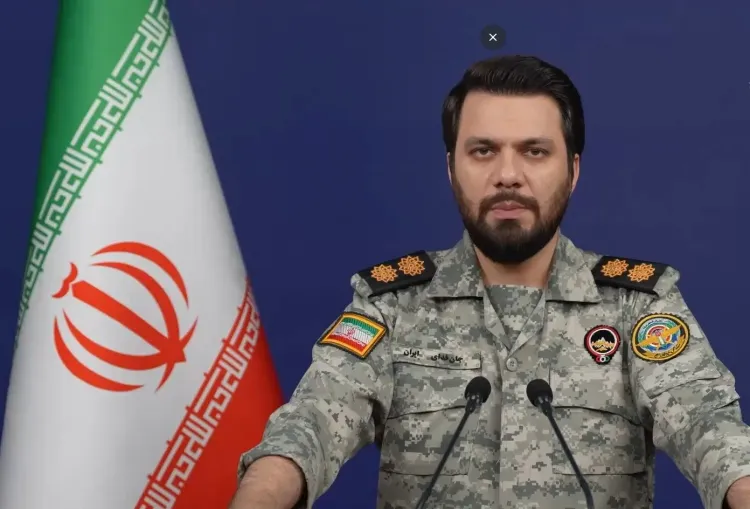
Ebrahim Zolfaghari, spokesman for the Khatam al-Anbiya Central Headquarters, issued the threat in a video message broadcast by Iranian state media. He said that if US President Donald Trump followed through on his stated intention to strike Iranian power plants and bridges, “the powerful armed forces of the Islamic Republic of Iran will crush everything that has still remained intact owing to Iran’s decency.”
Zolfaghari stressed that Tehran’s response would not be “an equal blow,” but “more severe, widespread, and devastating than ever.” The statement represented one of the most explicit escalatory threats from Iran’s military command since the current round of hostilities began.
Iranian Strikes on US Bases
Early on Thursday, the Islamic Revolutionary Guard Corps (IRGC) and the Iranian Army carried out joint operations targeting US military installations across the region. According to a statement published on Sepah News, the IRGC’s official outlet, the strikes involved both missile and drone assets deployed by its naval and aerospace forces.
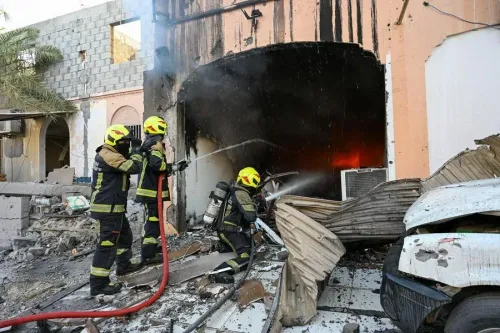
The IRGC said it destroyed a C-RAM radar system, a satellite communications centre, and an assembly site at Kuwait’s Ali Al Salem Air Base. It also claimed to have hit a fighter jet ramp and a command centre at Jordan’s Al-Azraq base, and struck a wharf at Kuwait’s Shuaiba Port. Separately, the Iranian Army deployed drones to target US radar systems, a Patriot battery, and oil depots at Ali Al Salem, as well as communications and radar facilities at Bahrain’s Shaikh Isa Air Base.
IRGC spokesman Hossein Mohebi warned in a post on X that “the enemy should not think that it can continue the current equation of the battle,” adding that Iran’s operations are focused on destroying US offensive infrastructure across West Asia.
What Triggered the Escalation
The strikes came in retaliation for fresh US military attacks on locations in southern Iran. The US military has launched several waves of strikes against Iran’s southern provinces over recent days, stating the operations were aimed at “degrading Iran’s ability to threaten commercial shipping” after Iranian armed forces targeted vessels in the Strait of Hormuz.
President Trump had publicly warned that the United States would expand its strikes to hit Iranian power plants and bridges the following week unless Tehran agreed to come to the negotiating table. That threat directly prompted the Khatam al-Anbiya warning.
A Peace Deal Under Strain
Notably, the escalating clashes are unfolding despite a June 18 peace memorandum of understanding between the two sides, under which negotiations were scheduled to begin within 60 days. The repeated exchange of strikes in the weeks since has raised serious doubts about whether that diplomatic framework retains any practical force.
With both sides now targeting military infrastructure across multiple countries in the region, the risk of a broader conflict drawing in Kuwait, Bahrain, and Jordan has grown considerably. The coming days—and whether Washington proceeds with strikes on Iranian civilian infrastructure—will be decisive.
Point of View
Bahrain, and Jordan, all of which host these bases under bilateral agreements with Washington and now find themselves drawn into a bilateral confrontation they did not initiate. The June 18 peace MoU is effectively a dead letter if both sides continue exchanging strikes at this tempo. The real inflection point is Trump’s threatened attack on Iranian power plants: civilian infrastructure strikes would cross a threshold that could foreclose any return to the negotiating table and invite a response Iran has explicitly said will be disproportionate.
NationPress
15 Oct 2026
Frequently Asked Questions
Why did Iran strike US bases in Kuwait, Bahrain, and Jordan?
Iran struck US military bases in Kuwait, Bahrain, and Jordan on 16 July in retaliation for fresh US military attacks on locations in southern Iran. The IRGC said its naval and aerospace forces carried out joint missile and drone operations targeting US offensive infrastructure across the region.
What did Iran’s military command warn about US infrastructure strikes?
Khatam al-Anbiya Central Headquarters spokesman Ebrahim Zolfaghari warned that if the US attacks Iranian power plants and bridges, Iran will retaliate against all infrastructure across West Asia. He said the response would be ‘more severe, widespread, and devastating than ever’ — explicitly not an equal blow.
What specific targets did Iran claim to have hit?
According to the IRGC, its forces destroyed a C-RAM radar system, a satellite communications centre, and an assembly site at Kuwait’s Ali Al Salem Air Base, hit a fighter jet ramp and command centre at Jordan’s Al-Azraq base, struck a wharf at Kuwait’s Shuaiba Port, and targeted a Patriot battery and radar facilities at Bahrain’s Shaikh Isa Air Base.
Why has the US been striking Iran?
The US military has launched several waves of strikes against Iran’s southern provinces, stating the operations were aimed at degrading Iran’s ability to threaten commercial shipping after Iranian forces targeted vessels in the Strait of Hormuz.
Is there a peace agreement between Iran and the US?
A peace memorandum of understanding was signed on 18 June, under which both sides were scheduled to hold negotiations within 60 days. However, repeated military exchanges since then have cast serious doubt on whether the agreement retains any practical force.