CM Pinarayi backs Wangchuk, demands NEET reform
Synopsis
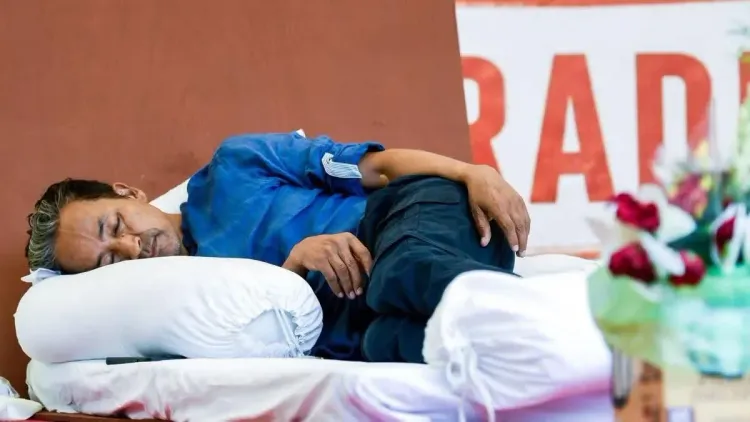
Kerala Chief Minister Pinarayi Vijayan has expressed alarm over Sonam Wangchuk's deteriorating health during his indefinite fast and demanded the Union Government engage in meaningful dialogue on NEET paper leak reforms and broader examination accountability.
Key Takeaways
Kerala CM Pinarayi Vijayan declared he is 'deeply disturbed' by reports that Sonam Wangchuk 's health has turned critical during his indefinite fast.
He called on the Union Government to 'end its silence' and engage in 'meaningful dialogue' with protesters.
Wangchuk 's demands include comprehensive reforms to the national examination system in the wake of the NEET paper leak crisis .
NEET , introduced as India's sole centralised medical entrance test in 2016 , has faced multiple paper leak allegations, with a major crisis in 2024 prompting Supreme Court-ordered investigations.
Ladakh , a Union Territory since 2019 , has been a centre of sustained activism by Wangchuk on issues of constitutional safeguards and educational equity.
CM Vijayan declared 'unwavering solidarity' with both Wangchuk and students fighting for justice and accountability.
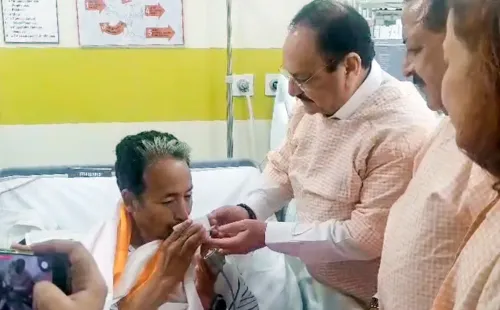
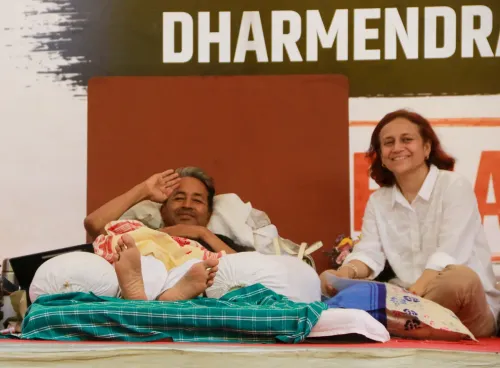
Kerala Chief Minister Pinarayi Vijayan on Thursday, 16 July 2026, expressed alarm over the deteriorating health of Sonam Wangchuk, the Ladakhi activist on an indefinite fast, and called on the Union Government to initiate meaningful dialogue and deliver comprehensive reforms to the national examination system in the wake of the NEET paper leak crisis.
Context
Sonam Wangchuk, the Ladakh-based engineer, innovator and founder of the Students' Educational and Cultural Movement of Ladakh (SECMOL), has been on an indefinite fast to press demands for accountability from the central government. CM Vijayan stated he was 'deeply disturbed by reports that Sonam Wangchuk's health has turned critical,' adding that 'no government can remain indifferent while a citizen fighting for justice stands at the brink of losing his life.'
The Kerala Chief Minister linked Wangchuk's fast directly to the broader demand for transparency and accountability in centrally conducted examinations, calling on the Union Government to 'end its silence, engage in meaningful dialogue, and respond to the legitimate demands for accountability.'
Policy Backdrop
The National Eligibility cum Entrance Test (NEET), introduced as the sole centralised medical entrance examination across India from 2016, has faced repeated allegations of paper leaks and systemic irregularities. A series of paper leak incidents in 2024 triggered Supreme Court-ordered investigations and large-scale student protests demanding accountability from the National Testing Agency (NTA) and the Union Government.
Ladakh, carved out as a Union Territory in 2019 following the bifurcation of Jammu and Kashmir, has been the site of sustained campaigns by local activists — including Wangchuk — demanding statehood and inclusion under the Sixth Schedule of the Constitution, which provides tribal communities greater legislative and administrative autonomy.
Stakeholders and Impact
Medical aspirants across India, particularly students from marginalised and remote regions such as Ladakh, bear the most direct consequences of examination irregularities in NEET. A compromised examination system disproportionately affects candidates who lack access to expensive coaching infrastructure and depend on a level playing field.
CM Vijayan's statement represents a pattern of opposition-governed states raising their voices on national education governance — connecting regional political concerns with a pan-India student movement demanding systemic reform. He concluded by 'standing in unwavering solidarity with Sonam Wangchuk and the students in their fight for justice and accountability.'
What's Next
Attention now shifts to the Union Government's response — whether it will initiate formal dialogue with Wangchuk or announce structural reforms to the National Testing Agency. Parliamentary or ministerial announcements on overhauling examination integrity mechanisms will be closely watched by student groups and state governments alike.
The convergence of Wangchuk's fast and the unresolved NEET accountability question puts pressure on the central administration to act before the situation escalates further, both on health and political grounds.
Point of View
' the Kerala Chief Minister raises the political cost of central inaction. This follows a broader pattern of opposition-led states using national examination failures as a lever to challenge the centralisation of education policy under the current federal framework. The statement signals that if the Union Government does not respond, the issue risks becoming a sustained opposition rallying point ahead of any forthcoming legislative or electoral cycle.
NationPress
15 Oct 2026
Frequently Asked Questions
Why is Sonam Wangchuk on an indefinite fast?
Sonam Wangchuk , the Ladakhi engineer and activist, has been on an indefinite fast pressing demands for accountability from the Union Government , including constitutional safeguards for Ladakh and comprehensive reforms to the national examination system following the NEET paper leak crisis .
What is the NEET paper leak crisis?
The NEET paper leak crisis refers to a series of alleged irregularities and paper leaks in the National Eligibility cum Entrance Test , India's centralised medical entrance examination, with a major controversy in 2024 triggering Supreme Court-ordered investigations and widespread student protests.
What did Kerala CM Pinarayi Vijayan say about Sonam Wangchuk?
Kerala CM Pinarayi Vijayan said he was 'deeply disturbed' by reports of Wangchuk 's critical health condition and called on the Union Government to end its silence, engage in meaningful dialogue, and address legitimate demands for accountability including NEET reforms.
What is SECMOL and who is Sonam Wangchuk?
Sonam Wangchuk is a Ladakhi engineer, innovator and activist who founded the Students' Educational and Cultural Movement of Ladakh (SECMOL) , an alternative school that has pioneered sustainable and culturally rooted education for students in the region.
What reforms are being demanded for NEET?
Protesters and opposition leaders including CM Pinarayi Vijayan are demanding comprehensive reforms to the national examination system, greater accountability from the National Testing Agency (NTA) , and structural changes to prevent paper leaks and ensure a fair process for all medical aspirants across India .