Bangladesh journalist persecution: Press freedom groups demand release of Rupa, Babu
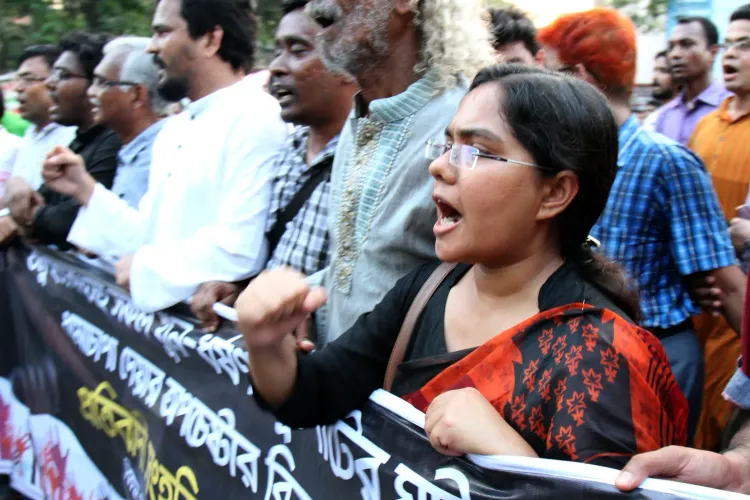
Synopsis
International press freedom organisations have jointly condemned Bangladesh's prosecution of journalists Farzana Rupa and Mozammel Babu on crimes against humanity charges — for editorial decisions made during broadcast coverage. With four journalists held in pre-trial detention since mid-2024 and no chargesheets filed, the case is emerging as a defining test of press freedom in post-Hasina Bangladesh.
Key Takeaways
Multiple international press freedom and human rights organisations have jointly called on Bangladesh to end persecution of journalists.
Farzana Rupa and Mozammel Babu face crimes against humanity charges at Bangladesh's International Crimes Tribunal over broadcast coverage of the 2013 Hefazat-e-Islam crackdown at Shapla Chattar .
No evidence or chargesheet has been provided to lawyers representing Rupa and Babu since the tribunal proceedings began on 14 May .
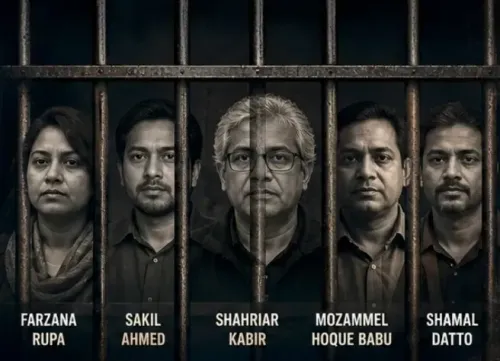
Rupa , Babu , Shakil Ahmed (Ekattor TV), and Shyamal Dutta (Editor, Bhorer Kagoj) have been held in pre-trial detention since August–September 2024 in connection with murder cases from the July–August 2024 protests .
Organisations have demanded immediate release of detained journalists and an end to mass FIR filings against media professionals across Bangladesh.
Several leading press freedom and human rights organisations have called on the Bangladesh government to immediately end the persecution of journalists, urging authorities to halt criminal proceedings against media professionals Farzana Rupa and Mozammel Babu — particularly on charges of crimes against humanity — for work carried out in their journalistic capacity. The appeal, issued in a joint statement, marks one of the most coordinated international interventions over press freedom in Bangladesh in recent months.
The Charges and Their Basis
Bangladesh's International Crimes Tribunal on 14 May formally showed Rupa and Babu, along with former minister Dipu Moni, as arrested in a case linked to alleged crimes against humanity during the 2013 crackdown on a Hefazat-e-Islam rally at Shapla Chattar in Dhaka. According to the joint statement, the prosecution's case rests on broadcast coverage of those events — including a current affairs programme presented by Rupa that allegedly 'spread misleading information' about casualty figures and purportedly contributed to crimes against humanity.
Critically, the signatories noted that lawyers representing Rupa and Babu have not been provided with any evidence or a chargesheet since the tribunal proceedings were initiated.
What the Organisations Said
The joint statement drew a sharp legal and ethical line: 'A fundamental aspect of the right to freedom of expression is the protection of journalistic work, including reporting and editorial decisions on matters of significant public interest, especially where events are politically contested or disputed. Decisions about how to cover a contested political incident should not be criminalised, let alone prosecuted as crimes against humanity.'
The organisations further stated: 'The suggestion that such conduct could amount to an international crime is wrong as a matter of law. The decision to initiate proceedings without a legal foundation creates a chilling effect on journalists and media outlets in Bangladesh.'
Pre-Trial Detention Since 2024
Beyond the crimes against humanity case, Rupa, Babu, Shakil Ahmed — Rupa's husband and a fellow journalist at Ekattor TV — and Shyamal Dutta, Editor of the newspaper Bhorer Kagoj, have been held in pre-trial detention since August and September 2024. Their detention is connected to numerous murder cases arising from deaths during the July–August 2024 mass protests that ultimately ousted the Sheikh Hasina-led Awami League government.
The organisations noted that no chargesheet has been served in any of those murder cases, and no explanation has been offered as to how journalists' reporting on the uprising could constitute the crime of murder. They characterised these as among thousands of murder cases filed against perceived supporters of the former government, many of which, they said, are based on no known evidence.
Broader Pattern of Press Suppression
This comes amid a broader crackdown on media in Bangladesh following the political transition of 2024. Critics argue that the filing of mass First Information Reports (FIRs) against journalists has become a tool of political pressure rather than legitimate legal process. The use of crimes against humanity charges — typically reserved for the gravest atrocities — against journalists for broadcast editorial decisions is, according to the organisations, an unprecedented and legally untenable escalation.
Demands and Next Steps
The press freedom and human rights groups urged the Bangladesh government to immediately release all journalists detained solely for peacefully exercising their rights and carrying out their reporting. They also called on authorities to drop what they described as 'politically motivated charges' tied to journalistic work and to end the practice of filing multiple cases and mass FIRs against journalists across the country. Whether Dhaka will respond to this international pressure remains to be seen, but the coordinated nature of the appeal signals growing global concern over the state of press freedom in post-Hasina Bangladesh.
Point of View
And the organisations are right to call it out as such. The absence of a chargesheet months after arrest suggests these cases are instruments of political consolidation rather than genuine legal proceedings. Bangladesh's post-Hasina government has inherited a deeply polarised media landscape, but responding to that polarisation with mass FIRs and tribunal charges risks entrenching the very culture of impunity it ostensibly sought to dismantle. The international community's coordinated response is notable; whether it translates into diplomatic pressure with teeth is the real question.
NationPress
15 Oct 2026
Frequently Asked Questions
Why are Bangladeshi journalists Farzana Rupa and Mozammel Babu facing crimes against humanity charges?
Rupa and Babu were shown as arrested by Bangladesh's International Crimes Tribunal on 14 May in a case linked to alleged crimes against humanity during the 2013 crackdown on a Hefazat-e-Islam rally at Shapla Chattar in Dhaka. The prosecution's case reportedly rests on broadcast coverage of those events, including a programme by Rupa alleged to have spread misleading information about casualty figures.
How long have the journalists been in detention?
Farzana Rupa, Mozammel Babu, Shakil Ahmed, and Shyamal Dutta have been held in pre-trial detention since August and September 2024, connected to murder cases arising from the July–August 2024 mass protests in Bangladesh. No chargesheet has been served in any of those cases.
What do press freedom organisations want Bangladesh to do?
The organisations have urged the Bangladesh government to immediately release all journalists detained for their reporting, drop what they describe as politically motivated charges tied to journalistic work, and end the practice of filing mass First Information Reports against journalists across the country.
What is the legal argument against the crimes against humanity charges?
The organisations argue that editorial decisions about how to cover a contested political event cannot legally constitute crimes against humanity. They state that initiating proceedings without a legal foundation is wrong as a matter of law and creates a chilling effect on all journalists and media outlets in Bangladesh.
Who are the four journalists currently in pre-trial detention?
The four journalists are Farzana Rupa and Mozammel Babu (both linked to Ekattor TV), Shakil Ahmed (Rupa's husband and a fellow Ekattor TV journalist), and Shyamal Dutta, Editor of the newspaper Bhorer Kagoj. All four have been held since mid-2024 in connection with cases stemming from the 2024 protest period.